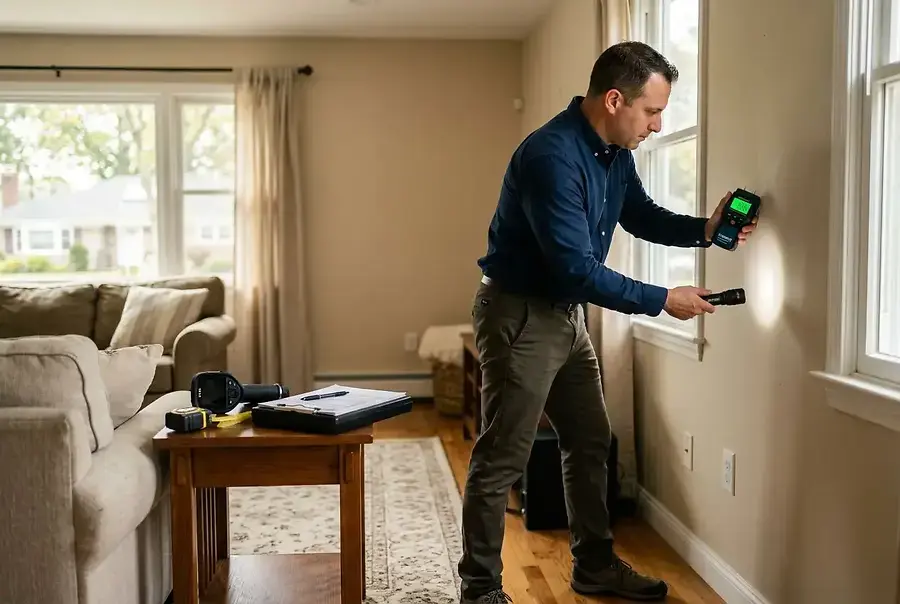
Why Professional Home Inspections Matter: Key Areas to Evaluate
Purchasing a home is one of the most significant investments you'll make in your lifetime. In South Shore Nassau County communities like Baldwin, Freeport, and Hempstead, a professional home inspection is not just recommended—it's essential. A thorough inspection protects your financial interests and reveals potential issues before you commit to the purchase.
A comprehensive home inspection evaluates multiple critical systems and components of your potential property:
- Structural Integrity: Foundation, walls, roof, and overall frame stability
- Roofing Systems: Age, condition, and remaining lifespan of shingles and materials
- Electrical Systems: Wiring, panels, outlets, and safety compliance
- Plumbing: Water supply lines, drainage systems, and fixture functionality
- HVAC Systems: Heating, cooling, and ventilation efficiency
- Insulation and Ventilation: Energy efficiency and moisture control
- Interior Components: Walls, ceilings, floors, doors, and windows
- Exterior Elements: Siding, gutters, downspouts, and grading
Each of these areas directly impacts your home's safety, comfort, and long-term value. Professional inspectors in Nassau County have extensive experience identifying issues specific to the region's climate and construction styles.
Common Issues Found in South Shore Nassau Homes and How to Address Them
Water Damage and Moisture Problems
South Shore Nassau County's proximity to the Atlantic Ocean and Long Island Sound means homes frequently face moisture-related challenges. Water intrusion through roofs, basements, and crawl spaces is among the most common issues inspectors discover. Look for signs of water staining, mold growth, and deteriorating wood.
Solution: Request a detailed moisture assessment and budget for waterproofing improvements, including proper grading, sump pump installation, or foundation sealing.
Aging Roof Systems
Many homes in Baldwin, Freeport, and Hempstead feature roofs that have reached or exceeded their expected lifespan. Asphalt shingles typically last 15-20 years, and inspectors often find deterioration, missing shingles, and compromised flashing.
Solution: Obtain a roofing contractor's estimate for replacement or repairs. Factor this significant expense into your offer negotiations.
Outdated Electrical Systems
Older homes may have aluminum wiring or insufficient electrical capacity for modern appliances and technology. This poses both safety and functionality concerns.
Solution: Have a licensed electrician evaluate the system and provide upgrade recommendations. Budget for panel upgrades or rewiring if necessary.
HVAC System Age and Efficiency
Heating and cooling systems in South Shore homes often require replacement or significant maintenance. Inefficient systems lead to higher utility bills and reduced comfort.
Solution: Request service records and obtain quotes for system replacement or upgrades to modern, energy-efficient models.
Questions to Ask Your Inspector and Understanding the Inspection Report
Critical Questions for Your Inspector
Don't hesitate to ask your inspector detailed questions during and after the inspection:
- "What is the estimated remaining lifespan of major systems like the roof and HVAC?"
- "Are there any safety concerns I should address immediately?"
- "What maintenance issues are cosmetic versus structural?"
- "Do you recommend any specialized inspections (mold, radon, termites)?"
- "What repairs would you prioritize if this were your home?"
- "Are there signs of water damage or moisture problems?"
- "How does this home compare to others you've inspected in the area?"
Decoding Your Inspection Report
Professional inspection reports typically categorize findings into three levels:
- Critical Issues: Safety hazards or major system failures requiring immediate attention
- Major Issues: Significant defects affecting home value or functionality
- Minor Issues: Cosmetic concerns or routine maintenance items
Review the report carefully and ask your real estate agent to explain any technical language. Don't ignore findings—use them strategically in your negotiations.
Making Informed Decisions: Using Inspection Results in Your Offer Strategy
Negotiation Leverage
Inspection results provide concrete data for renegotiating your offer. You have several options:
- Request Repairs: Ask the seller to fix critical issues before closing
- Request Credits: Negotiate a price reduction to cover repair costs yourself
- Request Escrow: Hold funds in escrow to ensure repairs are completed
- Walk Away: Use inspection contingencies to exit the deal if issues are severe
Prioritizing Your Concerns
Not all inspection findings warrant renegotiation. Focus on issues that affect safety, structural integrity, or major systems. Minor cosmetic issues or routine maintenance can often be addressed after purchase.
Pro Tip: In South Shore Nassau County's competitive real estate market, sellers may be reluctant to make extensive repairs. Consider whether you're willing to handle repairs yourself or if the property's location and potential justify the investment.
Planning Your Next Steps
After reviewing inspection results, work with your real estate agent and inspector to develop a clear action plan. Obtain contractor estimates for significant repairs, research local contractors with strong reputations, and factor all costs into your final offer decision.
A thorough home inspection transforms you from a passive buyer into an informed decision-maker. By understanding what inspectors look for, asking the right questions, and strategically using inspection results, you'll protect your investment and ensure your South Shore Nassau County home is a sound financial decision for years to come.
