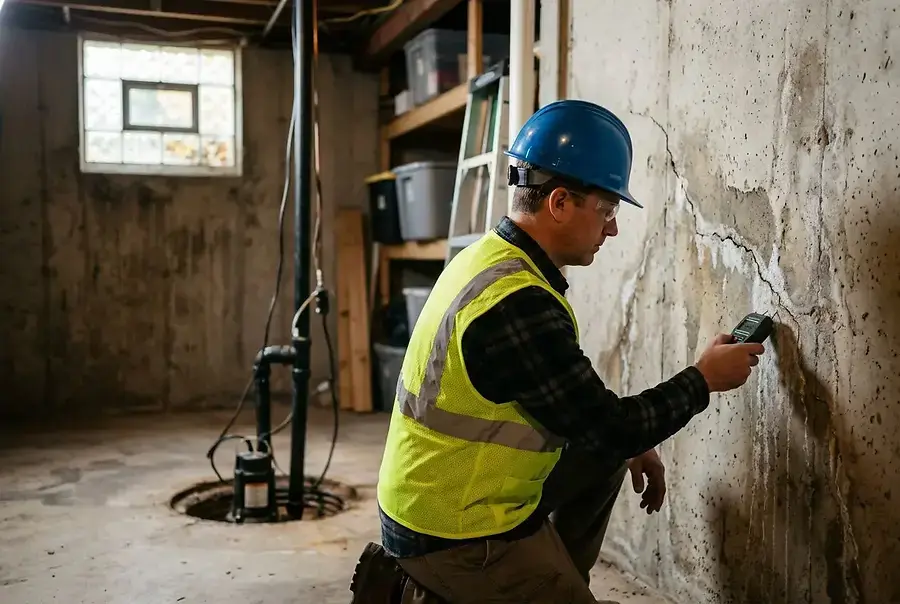
Why Home Inspections Matter in Southeast Michigan
Purchasing a home is one of the most significant investments you'll make in your lifetime. In Southeast Michigan, where many properties feature unique architectural styles and varying ages, a thorough home inspection is not just recommended—it's essential. A professional home inspection provides you with a detailed understanding of your potential property's condition, helping you avoid costly surprises down the road.
Home inspectors serve as your advocate, identifying issues that may not be visible to the untrained eye. Whether you're buying a charming historic home or a more recent construction, understanding what inspectors look for can help you make informed decisions and negotiate effectively with sellers.
Common Issues Found in Southeast Michigan Properties
Foundation and Basement Problems
Southeast Michigan's clay-heavy soil and freeze-thaw cycles create unique challenges for home foundations. Inspectors frequently identify:
- Cracks in concrete – ranging from minor cosmetic issues to structural concerns
- Water intrusion and moisture – a common problem in basements and crawl spaces
- Efflorescence – white mineral deposits indicating water movement through concrete
- Bowing or settling walls – signs of foundation stress
Roof and Attic Concerns
Michigan's harsh winters and variable weather patterns take a toll on roofing systems. Common findings include:
- Aging or deteriorating shingles with missing granules
- Inadequate ventilation leading to moisture buildup
- Ice dam damage and improper flashing installation
- Outdated or insufficient insulation
Plumbing and Water Systems
Older Southeast Michigan homes often contain outdated plumbing materials that may need replacement. Inspectors look for:
- Galvanized pipes – prone to corrosion and reduced water pressure
- Polybutylene pipes – known for brittleness and failure
- Water heater age and condition – typically lasting 8-12 years
- Sump pump functionality – critical for basement water management
Electrical Systems
Outdated electrical systems present safety hazards. Inspectors evaluate:
- Knob-and-tube wiring – a fire hazard found in many older homes
- Aluminum wiring – prone to overheating and corrosion
- Adequate grounding and proper circuit breaker installation
- GFCI outlets in bathrooms and kitchens
What to Expect During the Inspection Process
Before the Inspection
Schedule your inspection as soon as your offer is accepted. Most inspections take 2-4 hours depending on the home's size and age. Plan to be present during the inspection – this allows you to ask questions and learn about the property directly from the professional.
During the Inspection
A comprehensive home inspection covers:
- Structural components and foundation
- Roof, gutters, and exterior
- Plumbing and water systems
- Electrical systems and panels
- HVAC systems and heating
- Interior components and appliances
- Attic, basement, and crawl spaces
Professional inspectors use specialized equipment like moisture meters, thermal imaging cameras, and electrical testers to identify hidden problems. They'll document findings with photographs and detailed notes.
After the Inspection
You'll receive a comprehensive written report within 24-48 hours. This report categorizes issues by severity and provides recommendations for repairs or further evaluation by specialists.
Using Inspection Reports to Negotiate and Make Informed Decisions
Understanding the Report
Home inspection reports typically categorize findings into three levels: safety issues, major repairs, and minor maintenance items. Focus on safety concerns and significant structural problems rather than cosmetic issues.
Negotiation Strategies
You have several options when the inspection reveals problems:
- Request repairs – Ask the seller to fix major issues before closing
- Request credits – Negotiate a price reduction to cover repair costs yourself
- Request re-inspection – Have a specialist evaluate specific concerns
- Walk away – If issues are too extensive, you may choose to terminate the purchase
Prioritize negotiations around structural issues, safety hazards, and systems that are expensive to replace. Minor cosmetic issues are typically the buyer's responsibility after purchase.
Getting Specialist Opinions
For significant findings, consider hiring specialists such as structural engineers, electricians, or plumbers. Their detailed assessments can clarify whether issues require immediate attention or can be addressed over time.
Making Confident Home Purchases in Your Local Market
A professional home inspection is your best defense against unexpected expenses and safety issues. By understanding what inspectors look for in Southeast Michigan properties and how to interpret their findings, you're equipped to make confident purchasing decisions.
Remember: No home is perfect, and inspection reports often reveal minor issues that are normal for properties of any age. The goal is to identify significant problems that affect safety, structural integrity, or major systems—allowing you to negotiate fairly and invest wisely in your Southeast Michigan home.
Work with experienced local inspectors who understand the unique challenges of Michigan properties, and don't hesitate to ask questions throughout the process. Your thorough due diligence today will provide peace of mind for years to come.