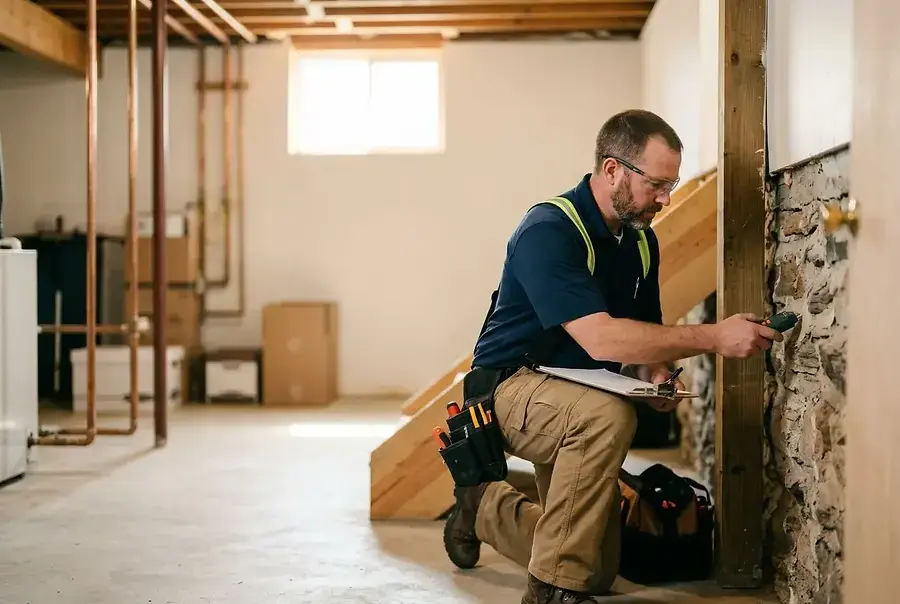
Why Home Inspections Matter in Southern New Hampshire
Purchasing a home is one of the most significant investments you'll make in your lifetime. In Southern New Hampshire, particularly in Rockingham County communities, a thorough home inspection is not just a formality—it's a critical safeguard for your financial future. Home inspections provide an objective assessment of a property's condition, revealing potential issues that could cost thousands of dollars to repair if left unaddressed.
The New England climate presents unique challenges for homeowners. Freeze-thaw cycles, heavy snow loads, and seasonal moisture fluctuations can accelerate wear and tear on homes. A professional inspector understands these regional factors and knows what to look for in properties built during different eras. Whether you're considering a charming Victorian in Portsmouth or a contemporary home in Derry, a comprehensive inspection protects you from inheriting someone else's problems.
Key Areas Inspectors Evaluate in Older and Newer Homes
Foundation and Structural Integrity
Inspectors begin by examining the foundation, looking for cracks, water intrusion, and signs of settling. In Southern New Hampshire, where many homes sit on granite bedrock or clay soils, foundation issues can be particularly problematic. They'll assess basement walls, check for moisture damage, and evaluate the overall structural soundness of the property.
Roofing and Exterior
The roof is your home's first line of defense against New England weather. Inspectors evaluate:
- Shingle condition and remaining lifespan
- Flashing around chimneys and vents
- Gutter systems and drainage
- Siding condition and water damage
- Window and door seals
Proper drainage is essential in this region, where heavy rains and snowmelt can cause significant water damage if systems aren't functioning correctly.
HVAC Systems
Heating systems are critical in Southern New Hampshire's cold winters. Inspectors test furnaces, heat pumps, and air conditioning units to ensure they operate efficiently. They'll also evaluate the age of equipment and estimate remaining useful life, helping you budget for future replacements.
Plumbing and Water Systems
Inspectors check water pressure, test drains, and look for leaks throughout the home. In older Rockingham County properties, galvanized pipes may need replacement. They'll also assess the water heater's condition and capacity, and evaluate septic systems if the property isn't connected to municipal sewer.
Electrical Systems
A thorough electrical inspection ensures the system is safe and up to code. Inspectors look for outdated wiring, insufficient outlets, and potential fire hazards. Older homes may have aluminum wiring or cloth-insulated wiring, which require special attention and possible upgrades.
Insulation and Ventilation
Energy efficiency matters in New Hampshire's climate. Inspectors assess attic insulation levels, ventilation, and air sealing. Proper ventilation prevents moisture buildup and mold growth, particularly important in this region's humid summers.
Red Flags and Common Issues Found in Southern NH Properties
Water Damage and Moisture Problems
Water intrusion is the most common issue found in Southern New Hampshire homes. Look for staining on ceilings and walls, soft spots in flooring, and musty odors. Basements and crawl spaces are particularly vulnerable. Mold growth, while sometimes cosmetic, can indicate serious moisture problems requiring remediation.
Aging Roof Systems
Many homes in the region have roofs nearing the end of their lifespan. A roof typically lasts 20-25 years, and replacement costs can exceed $10,000. If the inspection reveals a roof older than 15 years, budget for replacement within the next few years.
Outdated Heating Systems
Oil heating systems, common in older Southern New Hampshire homes, can be expensive to maintain and operate. Inspectors will note the age and condition of heating equipment. Upgrading to modern heat pumps or natural gas systems can significantly reduce heating costs.
Septic System Concerns
Properties not connected to municipal sewer rely on septic systems. Inspectors evaluate tank condition, drainage field functionality, and maintenance history. A failing septic system can cost $15,000-$30,000 to replace, making this assessment crucial.
Pest and Wildlife Damage
New England's wildlife can cause significant damage. Inspectors look for evidence of termites, carpenter ants, rodents, and other pests. Structural damage from these infestations can be extensive and expensive to repair.
Asbestos and Lead Paint
Homes built before 1980 may contain asbestos in insulation, floor tiles, and roofing materials. Homes built before 1978 likely have lead paint. While these materials aren't always dangerous if undisturbed, their presence should be documented and factored into your decision-making process.
Using Inspection Results to Negotiate and Make Confident Offers
A professional home inspection report provides leverage in negotiations. If significant issues are discovered, you have several options:
- Request repairs: Ask the seller to fix major issues before closing
- Negotiate a price reduction: Reduce your offer to account for repair costs
- Request a credit at closing: Receive funds to handle repairs yourself
- Walk away: If issues are too severe, you can withdraw from the purchase
Don't let inspection results overwhelm you. Every home has some issues—the goal is identifying which ones matter most to your situation and budget. Work with your real estate agent and inspector to prioritize concerns and understand repair costs.
In Southern New Hampshire's competitive real estate market, a thorough home inspection gives you confidence in your offer. You'll understand exactly what you're purchasing and can make informed decisions about your investment. Whether you're buying in Exeter, Hampton, or any Rockingham County community, a professional inspection is the smartest investment you can make before closing on your new home.
A home inspection isn't an expense—it's insurance against costly surprises and a tool for making the best real estate decision of your life.