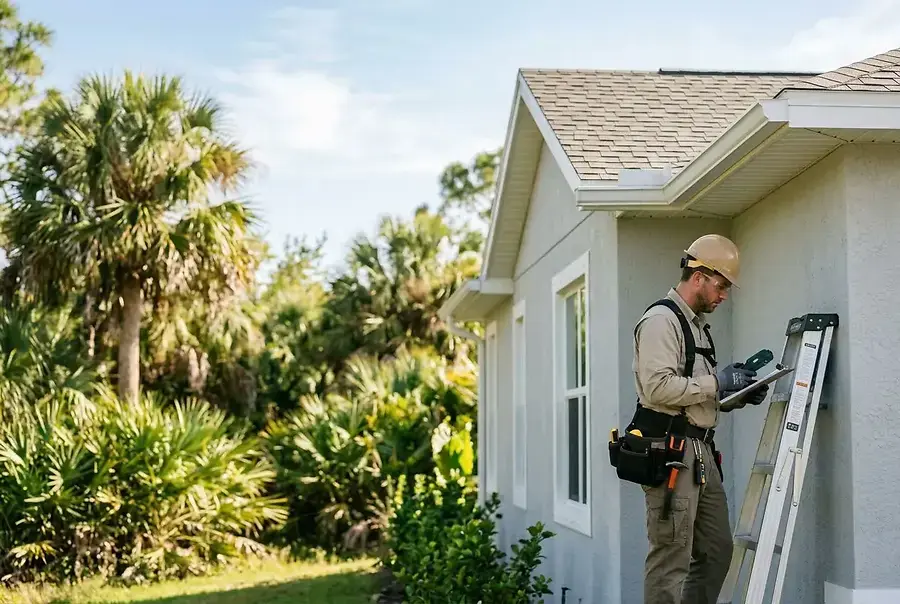
Why Home Inspections Matter in Southwest Florida
Purchasing a home in Southwest Florida is an exciting investment, but it comes with unique challenges that differ significantly from other regions. The combination of high humidity, salt air, intense sun exposure, and hurricane-prone weather creates an environment where homes face accelerated wear and tear. A thorough home inspection is not just a formality—it's your first line of defense against costly surprises.
Southwest Florida's climate places extraordinary stress on building materials and systems. What might be a minor issue in other parts of the country can quickly become a major problem when exposed to Florida's relentless environmental conditions. By understanding what inspectors look for, you'll be better equipped to make informed decisions and negotiate repairs or price adjustments before closing on your new home.
Common Issues Found in Southwest Florida Homes
Water Damage and Moisture Intrusion
Water damage is the number one concern for Southwest Florida homes. The region's high humidity levels, combined with heavy rainfall and occasional flooding, create ideal conditions for moisture problems. Inspectors carefully examine:
- Roof condition and potential leaks
- Foundation cracks and water seepage
- Attic ventilation and moisture accumulation
- Window and door seals
- Basement or crawl space flooding signs
Pro tip: Ask your inspector about the home's history with water damage and whether any previous flooding has occurred.
Corrosion and Salt Damage
Homes near the coast face accelerated corrosion from salt air. Metal components, including HVAC systems, electrical panels, and metal roofing, deteriorate faster than inland properties. Inspectors look for:
- Rust on metal fixtures and structural components
- Corroded air conditioning units
- Deteriorating metal railings and fasteners
- Compromised electrical systems
HVAC System Strain
Air conditioning systems work overtime in Southwest Florida's heat and humidity. Inspectors evaluate whether the HVAC system is appropriately sized for the home and check for signs of excessive wear. Common findings include:
- Refrigerant leaks
- Compressor failure risk
- Inadequate ductwork or insulation
- Mold growth in air ducts
Roof and Exterior Damage
The intense Florida sun and occasional severe weather take a toll on roofing materials. Inspectors examine shingles for UV damage, curling, and missing sections. They also assess:
- Flashing integrity around chimneys and vents
- Gutter condition and proper drainage
- Siding for cracks, rot, or separation
- Hurricane-resistant features and tie-downs
Pest and Mold Issues
Florida's warm, humid climate is a paradise for pests and mold. Inspectors look for evidence of termites, cockroaches, and other common invaders. They also screen for mold growth in bathrooms, kitchens, and areas with moisture problems. Mold remediation can be expensive, making early detection crucial.
What to Expect During the Inspection Process
Before the Inspection
Schedule your inspection as soon as your offer is accepted. Most inspections take 2-4 hours depending on the home's size and condition. You have the right to be present during the inspection—in fact, it's highly recommended. This gives you the opportunity to ask questions and learn about the property firsthand.
During the Inspection
A qualified inspector will systematically examine:
- Structural integrity and foundation
- Roofing and exterior surfaces
- Plumbing systems and water pressure
- Electrical systems and panel condition
- HVAC equipment and ductwork
- Insulation and ventilation
- Interior walls, ceilings, and floors
- Appliances and fixtures
Take notes and photos during the walkthrough. Don't hesitate to ask your inspector to explain findings or demonstrate concerns.
After the Inspection
You'll receive a detailed inspection report, typically within 24-48 hours. This report categorizes issues by severity: critical, major, and minor. Review it carefully and discuss findings with your real estate agent. You may then request repairs, credits, or price reductions based on the inspector's findings.
Specialized Inspections to Consider
Beyond the standard inspection, Southwest Florida buyers should consider:
- Mold inspection: Particularly important if moisture issues are detected
- Termite inspection: Often required by lenders in Florida
- Roof inspection: A specialist can assess remaining lifespan
- Pool inspection: If the property includes a pool or spa
- Hurricane-resistant features assessment: Evaluate storm preparedness
Making Informed Decisions with Inspection Results
An inspection report can feel overwhelming, but remember that no home is perfect. The goal is to identify issues that affect safety, functionality, or long-term value. Prioritize addressing critical items like structural damage, electrical hazards, or major water intrusion before closing.
Use inspection results as a negotiation tool. Request that the seller address critical issues or provide credits for repairs you'll handle yourself. In Southwest Florida's competitive market, having a thorough inspection gives you leverage and peace of mind.
A home inspection is an investment in your future. The few hundred dollars spent on a professional inspection can save you thousands in unexpected repairs and provide invaluable confidence in your purchase decision.
By understanding what inspectors look for and the unique challenges of Southwest Florida's climate, you're taking an important step toward protecting your investment. Work with experienced professionals, ask questions, and don't rush the process. Your dream home in Southwest Florida deserves careful consideration and thorough evaluation.
