Why Home Inspections Matter in the St. Louis Market
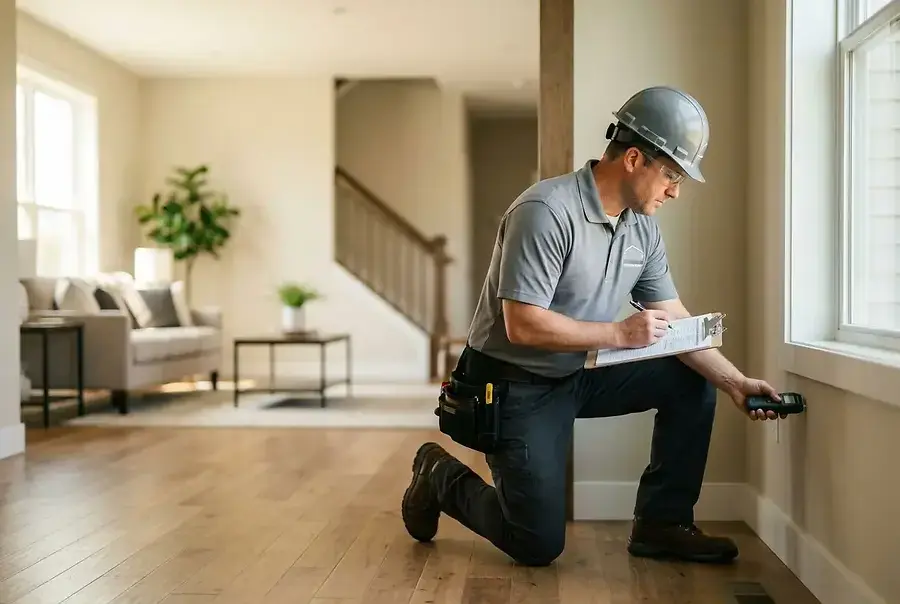
Purchasing a home is one of the most significant financial decisions you'll make in your lifetime. In the St. Louis area, including communities like Hazelwood, St. Charles, and St. Louis proper, a professional home inspection is your best defense against costly surprises after closing. A thorough inspection provides an objective assessment of a property's condition, helping you make informed decisions and negotiate effectively with sellers.
The St. Louis real estate market features homes with diverse architectural styles and ages, from historic Victorian properties to modern suburban developments. Each type of home presents unique inspection considerations that require experienced, local expertise to identify potential issues before they become expensive problems.
Key Areas Inspectors Evaluate in Missouri Homes
Structural Components and Foundation
Inspectors begin by examining the foundation, which is critical in the St. Louis area where soil composition and moisture levels can affect structural integrity. They look for cracks, settling, water intrusion, and signs of foundation repair. The basement and crawl spaces receive particular attention, as these areas are vulnerable to moisture problems common in Missouri's climate.
Roofing and Exterior
Your roof is your home's first line of defense against the elements. Inspectors assess shingle condition, flashing integrity, gutters, and downspouts. They also evaluate siding, windows, doors, and exterior caulking for weatherproofing effectiveness—essential in a region that experiences significant seasonal temperature variations.
Plumbing and Water Systems
Inspectors test water pressure, check for leaks, examine pipe materials, and assess the condition of fixtures. In older St. Louis homes, galvanized pipes and outdated plumbing systems are common findings that may require future replacement. Water heater age and functionality are also evaluated.
Electrical Systems
A comprehensive electrical inspection includes checking the panel, breakers, outlets, and wiring. Inspectors verify that the system meets current safety codes and can handle modern electrical demands. Outdated wiring and insufficient grounding are issues frequently encountered in established neighborhoods.
HVAC Systems
Heating and cooling systems are tested for proper operation and efficiency. Inspectors evaluate furnace condition, air conditioning performance, ductwork integrity, and thermostat functionality. Given Missouri's hot summers and cold winters, an efficient HVAC system is crucial for comfort and energy costs.
Interior Components
Inspectors examine walls, ceilings, floors, doors, and windows for damage, moisture issues, and proper operation. They also assess insulation levels, ventilation, and signs of pest activity or water damage throughout the home.
Red Flags and Common Issues Found in Hazelwood, St. Charles, and St. Louis Properties
Moisture and Water Damage
Water intrusion is one of the most common issues in the St. Louis area. Basements and crawl spaces frequently show signs of moisture problems, mold, or previous flooding. Inspectors look for water stains, efflorescence, and musty odors that indicate ongoing moisture concerns.
Outdated Systems
Many homes in established St. Louis neighborhoods feature aging electrical systems, plumbing, and HVAC equipment. While older homes have charm and character, systems may need upgrading to meet modern safety standards and efficiency expectations.
Roof Condition
Roofs in the region often show wear from weather exposure. Missing shingles, deteriorated flashing, and inadequate ventilation are common findings that can lead to leaks and structural damage if not addressed.
Foundation Issues
Cracks, settling, and bowing walls appear in some properties, particularly older homes. While minor cracks are common, significant structural issues require professional evaluation and potential remediation.
Pest Infestations
Termites, carpenter ants, and other pests are concerns in the Midwest. Inspectors look for evidence of infestation, wood damage, and conducive conditions that might attract pests.
Using Inspection Results to Negotiate and Protect Your Investment
Understanding Your Inspection Report
A professional inspection report categorizes findings by severity. Critical issues require immediate attention for safety or structural integrity. Major concerns may need repair soon to prevent deterioration. Minor issues are typically cosmetic or maintenance-related. Understanding these distinctions helps you prioritize concerns and budget accordingly.
Negotiation Strategies
Armed with inspection findings, you have several negotiation options:
- Request that the seller complete repairs before closing
- Ask for a credit toward repairs you'll handle yourself
- Request a price reduction reflecting the cost of necessary repairs
- Make your offer contingent on satisfactory inspection results
In the competitive St. Louis market, understanding which issues are negotiable and which are deal-breakers helps you make strategic decisions that protect your interests.
Planning for Future Maintenance
Even if you negotiate repairs, the inspection report becomes a valuable maintenance guide. It identifies systems approaching the end of their lifespan, allowing you to budget for replacements and plan improvements strategically.
Protecting Your Investment
A thorough inspection protects your investment by revealing hidden problems before you're legally bound to the purchase. This knowledge empowers you to make decisions based on facts rather than assumptions, ensuring you're not inheriting someone else's deferred maintenance problems.
Making Informed Decisions with Professional Inspection Guidance
Choosing a qualified, experienced home inspector is as important as the inspection itself. Look for inspectors who are certified, insured, and have extensive experience with St. Louis area properties. Local knowledge matters—inspectors familiar with regional building practices, common issues, and climate-related concerns provide more valuable insights.
Don't skip the walk-through. Many inspectors encourage buyers to accompany them during the inspection. This gives you the opportunity to ask questions, understand findings firsthand, and learn about your home's systems and maintenance needs.
A professional home inspection is an investment in peace of mind. Whether you're buying in Hazelwood, St. Charles, St. Louis, or surrounding communities, a thorough inspection provides the information you need to make confident decisions about one of life's most important purchases. By understanding what inspectors evaluate, recognizing common regional issues, and using inspection results strategically, you protect your investment and ensure you're making an informed decision that aligns with your goals and budget.