Introduction: Why Home Inspections Matter in the Texas Panhandle
Purchasing a home is one of the most significant financial decisions you'll make in your lifetime. In the Texas Panhandle, where properties face unique environmental and structural challenges, a thorough home inspection becomes even more critical. Whether you're buying in Amarillo, Pampa, or any surrounding community, understanding what a professional inspector looks for can save you thousands of dollars in unexpected repairs and help you make an informed decision about your investment.
A home inspection is an objective evaluation of a property's physical condition. It provides you with detailed information about the home's systems, structure, and potential issues before you finalize your purchase. In the Panhandle region, where extreme weather conditions, soil composition, and age of properties vary significantly, knowing what to expect during this process is essential.
Key Inspection Areas Specific to Panhandle Properties
Foundation and Structural Integrity
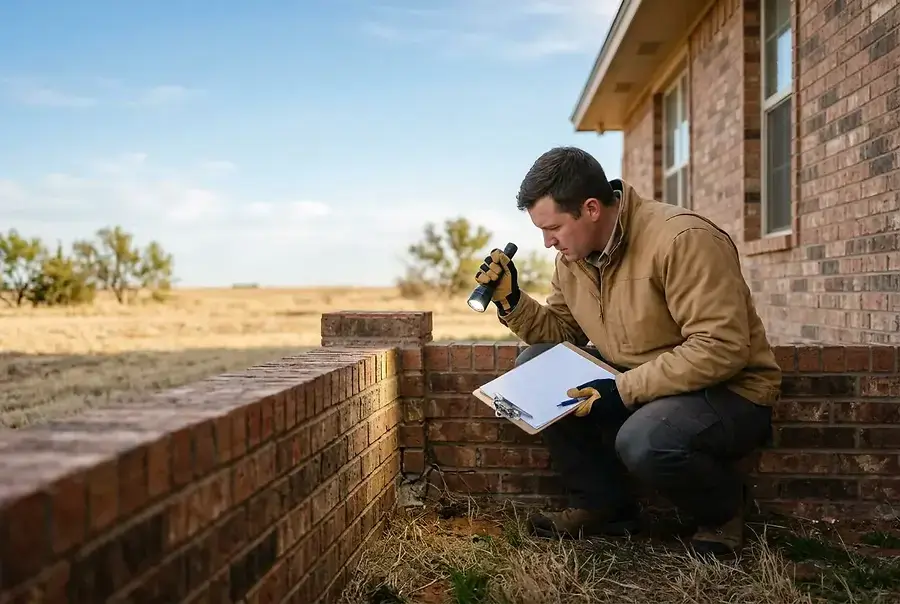
The Texas Panhandle's expansive clay soil can cause significant foundation problems. Inspectors will carefully examine the foundation for cracks, settling, and signs of movement. Look for horizontal cracks, stair-step patterns in brickwork, and uneven floors, which are common indicators of foundation issues in this region. The inspector will also check for proper drainage around the foundation to prevent water accumulation during heavy rains.
Roof and Weather Protection
Panhandle properties must withstand intense sun, hail storms, and high winds. During inspection, the roof's age, condition, and ability to handle severe weather are critical factors. Inspectors will assess:
- Shingle condition and remaining lifespan
- Proper ventilation and attic conditions
- Flashing around chimneys and vents
- Evidence of previous hail or wind damage
- Gutter and downspout functionality
HVAC Systems
The extreme temperature fluctuations in the Panhandle mean your heating and cooling systems work overtime. Inspectors will evaluate the age and condition of your air conditioning unit and furnace, checking for proper operation and maintenance records. A well-maintained HVAC system is crucial for comfort and energy efficiency in this climate.
Plumbing and Water Systems
Hard water is common in the Texas Panhandle, which can affect pipes and fixtures. Inspectors will check for:
- Water pressure and flow rates
- Signs of mineral buildup or corrosion
- Proper grading for drainage
- Well system condition (if applicable)
- Water heater age and functionality
Electrical Systems
Older homes in the Panhandle may have outdated electrical systems. Inspectors will verify that the electrical panel is properly grounded, check for adequate outlets, and ensure the system can handle modern electrical demands. Outdated wiring can be a safety hazard and may require costly upgrades.
Red Flags and Common Issues Found in Panhandle Homes
Foundation Cracks and Settlement
This is the most common issue in the Panhandle due to clay soil expansion and contraction. While minor cracks are normal, significant cracks or those showing signs of active movement warrant further investigation by a structural engineer.
Roof Damage and Age
Hail damage is prevalent in the region. Look for missing shingles, dents, or granule loss. If the roof is over 15-20 years old, replacement may be needed soon, which is an expensive undertaking you should factor into your offer.
Poor Drainage and Water Intrusion
Improper grading or inadequate gutters can lead to water pooling around the foundation. This can cause basement flooding, mold growth, and structural damage. Inspectors will pay special attention to drainage patterns around the property.
Outdated or Failing HVAC Systems
Systems that are 15+ years old may be inefficient or on the verge of failure. In the Panhandle's climate, a functioning HVAC system is non-negotiable. Budget for potential replacement if the system is aging.
Pest Damage and Infestations
Termites and other pests can cause significant structural damage. Inspectors will look for evidence of infestation, including mud tubes, wood damage, and droppings. Pest damage can be costly to remediate and should be addressed before purchase.
Asbestos and Lead Paint
Older homes in the Panhandle may contain asbestos in insulation, roofing, or floor tiles, and lead paint on walls and trim. While not immediately dangerous if undisturbed, these materials require professional handling if removal becomes necessary.
Inadequate Insulation
Many older Panhandle homes lack sufficient insulation for the region's temperature extremes. Poor insulation leads to higher energy bills and reduced comfort. Check attic insulation levels during the inspection.
Conclusion: Making Informed Decisions with Inspection Results
A comprehensive home inspection is your opportunity to understand exactly what you're buying. In the Texas Panhandle, where properties face unique challenges from climate, soil conditions, and age, this process is invaluable. Don't skip the inspection or try to cut corners on the inspector's fee—a qualified professional can identify issues that could cost you significantly down the road.
Once you receive the inspection report, review it carefully with your real estate agent. Use the findings to negotiate repairs or credits with the seller, or to make an informed decision about whether to proceed with the purchase. Remember, the inspection is your protection—it's an investment in your peace of mind and financial security.
Whether you're a first-time homebuyer or an experienced investor, understanding the inspection process and knowing what to look for in Panhandle properties empowers you to make smart decisions. Take the time to ask questions, understand the report, and consult with professionals when needed. Your future home—and your wallet—will thank you.