Understanding the Home Inspection Process in Townsend, GA
Purchasing a home is one of the most significant investments you'll make in your lifetime. In Townsend, GA, a thorough home inspection is a critical step in the buying process that can save you thousands of dollars in unexpected repairs and renovations. A professional home inspector will conduct a comprehensive evaluation of the property's structural integrity, systems, and overall condition.
The inspection process typically takes between two to four hours, depending on the size and age of the property. During this time, the inspector will examine both the interior and exterior of the home, documenting their findings in a detailed report. As a buyer, you have the right to be present during the inspection, which gives you the opportunity to ask questions and understand the property's condition firsthand.
What to Expect During Your Inspection
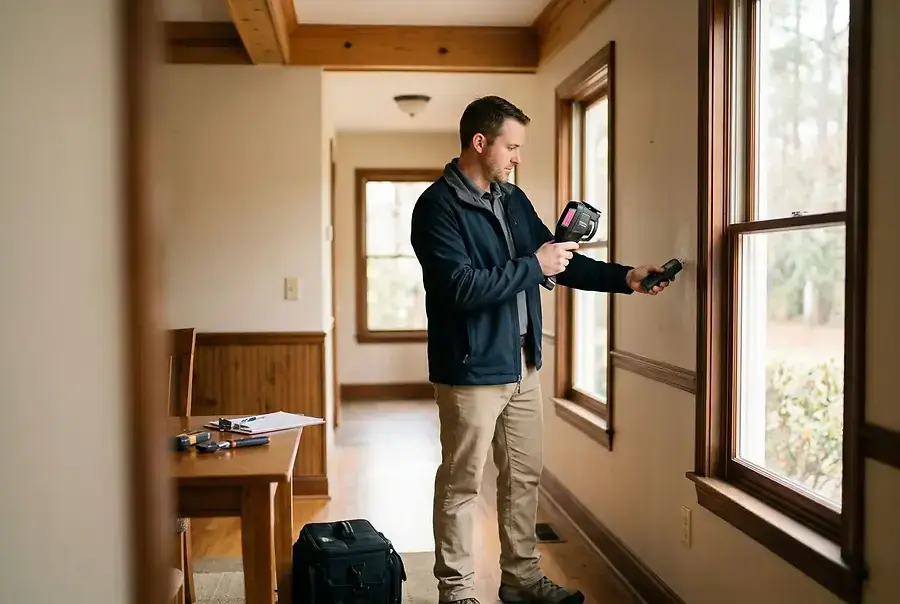
Your inspector will use specialized tools and equipment to assess various aspects of the home. They'll check moisture levels, test electrical outlets, inspect plumbing systems, and evaluate the overall structural soundness. The inspector will also look for signs of pest damage, water intrusion, and other issues that might not be immediately visible to the untrained eye.
After the inspection is complete, you'll receive a detailed report that outlines all findings, including photographs and recommendations for repairs or further evaluation by specialists.
Key Areas Inspectors Focus On for Georgia Properties
Georgia's climate and environmental conditions present unique challenges for homeowners. Professional inspectors in Townsend are well-versed in identifying issues specific to the region.
Roof and Attic Conditions
Georgia's humid subtropical climate means roofs are exposed to intense sun, heavy rainfall, and occasional severe weather. Inspectors will assess shingle condition, flashing integrity, and ventilation. They'll also check for signs of water damage, mold, and proper insulation in the attic space.
Foundation and Structural Integrity
The soil composition in Townsend can affect foundation stability. Inspectors look for cracks, settling, and water intrusion in basements or crawl spaces. They'll evaluate the foundation's overall condition and identify any structural concerns that could impact the home's safety and value.
HVAC and Electrical Systems
Given Georgia's warm climate, air conditioning systems are essential. Inspectors will test the HVAC system's functionality and assess its age and maintenance history. Electrical systems are also thoroughly examined to ensure they meet current safety codes and can handle the home's power demands.
Plumbing and Water Systems
Water quality and plumbing integrity are crucial in any home. Inspectors will check for leaks, water pressure, drainage issues, and the condition of pipes. They'll also evaluate the water heater and any septic systems if applicable.
Moisture and Mold Issues
Georgia's humidity creates an environment where mold and moisture problems can develop. Inspectors use moisture meters and thermal imaging to detect hidden water damage and potential mold growth, particularly in bathrooms, basements, and crawl spaces.
Red Flags and How to Respond to Inspection Findings
Not every issue found during an inspection is a deal-breaker, but some findings warrant serious consideration and action.
Major Structural Issues
Foundation cracks, significant settling, or structural damage are serious concerns that require professional evaluation. These issues can be expensive to repair and may affect the home's safety and resale value. If major structural problems are discovered, consider hiring a structural engineer for a second opinion before proceeding.
Roof Problems
A roof nearing the end of its lifespan or showing significant damage can cost $10,000 or more to replace. Request the seller to repair or replace the roof, or negotiate a credit toward repairs. Don't overlook this critical component of your home's protection.
Electrical and Plumbing Deficiencies
Outdated electrical systems, improper wiring, or plumbing issues can pose safety hazards and require costly updates. These systems are essential to daily living and should be in good working order. Request repairs or credits for necessary upgrades.
Pest Damage and Infestations
Evidence of termites, wood-boring insects, or other pests requires immediate attention. Pest damage can compromise structural integrity and spread if not treated promptly. Request a pest inspection and treatment plan from the seller.
Mold and Water Damage
Any signs of mold or water intrusion should be taken seriously. These issues can affect indoor air quality and lead to health problems. Identify the source of moisture and ensure proper remediation before closing.
Negotiating After Inspection
Once you receive the inspection report, you have several options:
- Request repairs: Ask the seller to fix identified issues before closing.
- Negotiate credits: Request a credit toward closing costs to handle repairs yourself.
- Request a price reduction: Negotiate a lower purchase price to account for necessary repairs.
- Walk away: If issues are too significant, you may choose to terminate the purchase agreement.
Moving Forward: Next Steps After Your Home Inspection
Review the Report Thoroughly
Take time to carefully review the inspection report. Understand what each finding means and prioritize issues by severity. Don't hesitate to ask your inspector questions about anything you don't understand.
Consult with Specialists
For significant findings, consider hiring specialists such as structural engineers, electricians, or pest control experts. Their professional opinions can help you make informed decisions about repairs and costs.
Plan Your Budget
Create a realistic budget for repairs and maintenance. Some issues may need immediate attention, while others can be addressed over time. Factor in the cost of regular maintenance to prevent future problems.
Finalize Your Decision
Use the inspection findings to make your final decision about the purchase. A thorough home inspection provides peace of mind and protects your investment in Townsend's real estate market. Whether you negotiate repairs, request credits, or proceed with confidence, you'll have the information needed to make the best choice for your family.
Remember, a home inspection is an investment in your future. By understanding the process and knowing what to look for, you're taking an important step toward becoming a confident, informed homeowner in Townsend, GA.
