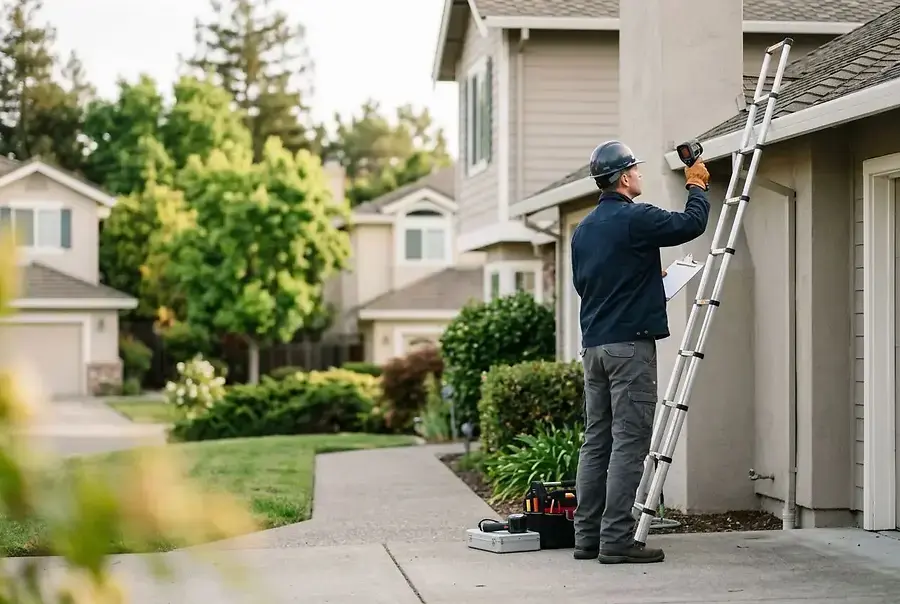
Why Home Inspections Matter in Antioch and San Jose
Purchasing a home is one of the most significant investments you'll make in your lifetime. In the competitive Bay Area market, where homes sell quickly and prices remain high, a professional home inspection is your safeguard against costly surprises. Whether you're buying in Antioch or San Jose, understanding what inspectors evaluate can help you make informed decisions and negotiate effectively.
A comprehensive home inspection provides an objective assessment of a property's condition, identifying potential issues before you commit to the purchase. This knowledge empowers you to negotiate repairs, request credits, or walk away if problems are too extensive. In today's fast-paced market, having this information gives you a competitive advantage.
What Professional Inspectors Evaluate: Structural, Systems, and Safety
Structural Components
Professional inspectors begin by examining the home's foundation, framing, and overall structural integrity. They look for signs of settling, cracks, water damage, and wood rot that could indicate serious problems. In the Bay Area, where seismic activity is a concern, inspectors pay special attention to how well a home is braced and anchored to withstand earthquakes.
The roof is another critical structural element. Inspectors assess shingles, flashing, gutters, and drainage systems to determine remaining lifespan and identify potential leak sources. A roof replacement can cost thousands of dollars, making this evaluation essential.
Mechanical and Electrical Systems
Your home's systems keep it running smoothly. Inspectors evaluate:
- HVAC Systems: Heating, ventilation, and air conditioning units are tested for proper operation and efficiency
- Plumbing: Water pressure, drainage, pipe materials, and potential leaks are thoroughly checked
- Electrical Systems: Panel capacity, wiring condition, outlet safety, and code compliance are assessed
- Water Heater: Age, condition, and proper installation are evaluated
These systems are expensive to repair or replace, so understanding their condition is crucial for budgeting future maintenance.
Safety and Environmental Concerns
Inspectors also check for safety hazards and environmental issues, including:
- Presence of asbestos, lead paint, or mold
- Carbon monoxide and radon levels
- Proper ventilation and fire safety measures
- Stair railings, handrails, and fall hazards
These concerns can affect your family's health and require specialized remediation, making early detection important.
Common Issues Found in Bay Area Homes and How to Address Them
Water Damage and Moisture Problems
The Bay Area's climate and older housing stock make water damage a frequent issue. Inspectors look for signs of water intrusion in basements, crawl spaces, attics, and around windows and doors. Early detection prevents mold growth and structural deterioration. If found, you can request the seller make repairs or negotiate a credit toward remediation.
Outdated Electrical Systems
Many homes in Antioch and San Jose, particularly older properties, have outdated electrical panels or aluminum wiring. These pose fire hazards and may not support modern appliance demands. Upgrading electrical systems is a significant expense, so knowing about these issues upfront allows you to factor costs into your offer or negotiate repairs.
HVAC System Age and Efficiency
Heating and cooling systems typically last 15-20 years. Inspectors note the age and condition of these units. If replacement is imminent, you can negotiate a credit or request the seller replace the system before closing. This protects you from unexpected expenses shortly after purchase.
Plumbing Issues
Older homes may have galvanized pipes prone to corrosion or polybutylene pipes known for failure. Low water pressure, slow drains, or visible corrosion indicate problems. Understanding the extent of plumbing issues helps you plan for potential re-piping projects.
Foundation and Settling Concerns
Minor cracks are common, but significant foundation issues require professional evaluation. Inspectors distinguish between cosmetic cracks and structural concerns. Serious foundation problems can be costly to repair, making this assessment critical for your decision-making process.
Using Inspection Reports to Negotiate and Close with Confidence
Once you receive the inspection report, you have several options:
- Request Repairs: Ask the seller to fix significant issues before closing
- Negotiate Credits: Request a credit toward repairs you'll handle yourself
- Renegotiate Price: Use findings to justify a lower offer price
- Walk Away: If issues are extensive, you may choose to pursue another property
In the competitive Bay Area market, many sellers resist repair requests. However, significant issues discovered during inspection provide legitimate negotiating points. Professional inspectors provide detailed documentation that supports your position.
"A thorough home inspection is your opportunity to make an informed decision about one of life's biggest purchases. Don't skip this critical step in the buying process."
Working with your real estate agent and inspector, you can develop a strategy that protects your interests. Some buyers prioritize getting repairs completed, while others prefer credits to handle work themselves. The inspection report gives you the information needed to make the best choice for your situation.
Conclusion: Protecting Your Bay Area Investment
Whether you're buying in Antioch or San Jose, a professional home inspection is an investment that pays dividends. By understanding what inspectors evaluate and common issues in Bay Area homes, you're better equipped to navigate the purchasing process confidently.
Don't let the competitive market pressure you into skipping this essential step. A thorough inspection protects your investment, provides negotiating leverage, and gives you peace of mind as you move into your new home. Take the time to review the inspection report carefully, ask questions, and use the findings to make informed decisions about your purchase.