Understanding the Home Inspection Process: What Happens During a Professional Inspection
Purchasing a home is one of the most significant investments you'll make in your lifetime. In Central Missouri communities like Camdenton, Crocker, and Dixon, a professional home inspection is an essential step that should never be skipped. A thorough inspection provides you with a comprehensive understanding of your potential property's condition before you commit to the purchase.
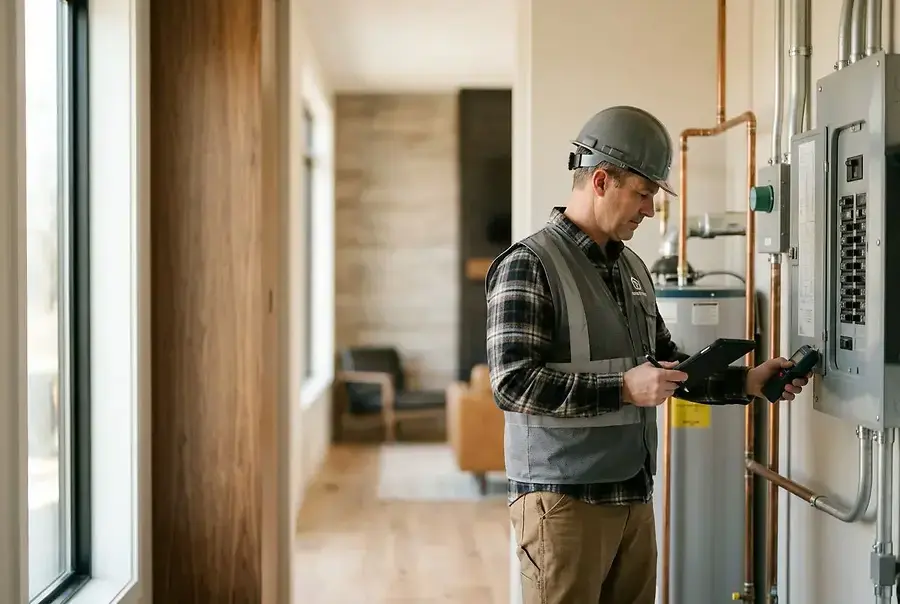
During a professional home inspection, a certified inspector will spend two to four hours examining your property from top to bottom. They arrive with specialized tools and equipment designed to identify issues that may not be visible to the untrained eye. The inspector will create a detailed report documenting their findings, which becomes a crucial tool in your decision-making process.
What to Expect During the Inspection
Most home inspections follow a systematic approach. The inspector typically begins with the exterior of the home, examining the roof, siding, foundation, and landscaping. They then move inside to evaluate the interior systems and structures. You're encouraged to accompany the inspector throughout the process, asking questions and taking notes about any concerns.
The inspection usually takes place after your offer has been accepted but includes a contingency period—typically 7 to 10 days—during which you can request repairs, negotiate credits, or withdraw from the purchase if significant issues are discovered.
Key Areas Inspectors Evaluate: From Foundations to Roofs in Central Missouri Homes
Professional home inspectors in Central Missouri evaluate numerous critical areas of residential properties. Understanding what they examine helps you appreciate the thoroughness of the process and prepares you for potential findings.
Structural Components and Foundations
The foundation is the backbone of any home. Inspectors look for cracks, settling, water damage, and signs of structural movement. In Central Missouri's climate, foundation issues can develop due to soil composition and moisture fluctuations, making this evaluation particularly important.
Roofing and Exterior Systems
The roof protects everything beneath it, so inspectors carefully examine:
- Shingle condition and age
- Flashing around chimneys and vents
- Gutters and downspouts
- Signs of leaks or water damage
- Proper ventilation
A roof nearing the end of its lifespan can be a significant expense, so understanding its condition is crucial for your budget planning.
Plumbing and Water Systems
Inspectors test water pressure, check for leaks, examine pipe materials, and evaluate the water heater's condition. They also assess the septic system or municipal water connections, which is particularly relevant for properties in Crocker and surrounding rural areas.
Electrical Systems
A thorough electrical inspection includes checking the panel, outlets, switches, and wiring. Outdated or faulty electrical systems pose safety risks and may require upgrades to meet current code standards.
HVAC and Climate Control
Inspectors evaluate heating and cooling systems for proper operation, age, and maintenance needs. In Central Missouri's variable climate, efficient HVAC systems are essential for year-round comfort.
Interior Components
The inspection also covers:
- Windows and doors
- Insulation and ventilation
- Flooring and wall conditions
- Appliances (if included in the sale)
- Basement or crawl space conditions
Red Flags and Negotiation Strategies: How to Respond to Inspection Findings
Once you receive the inspection report, you'll likely discover items that need attention. Understanding how to respond to these findings is critical to protecting your investment.
Understanding Severity Levels
Not all inspection findings are created equal. Major issues like foundation problems, roof leaks, or electrical hazards require immediate attention. Minor issues like worn caulking or cosmetic damage are typically less urgent. Your inspector's report should help you distinguish between these categories.
Common Red Flags in Central Missouri Homes
Based on the region's climate and construction styles, watch for:
- Water intrusion and moisture damage – particularly in basements and crawl spaces
- Mold growth – a concern in humid climates
- Outdated electrical systems – common in older homes throughout the region
- Roof deterioration – accelerated by weather exposure
- Foundation cracks – resulting from soil movement
Negotiation Strategies
After receiving the inspection report, you have several options:
- Request repairs: Ask the seller to fix major issues before closing
- Negotiate credits: Request a credit toward closing costs to handle repairs yourself
- Renegotiate price: Ask for a price reduction reflecting the cost of repairs
- Walk away: If issues are too severe, you can withdraw from the purchase
The key is to remain professional and reasonable. Focus on significant issues that affect safety, functionality, or long-term value. Minor cosmetic issues are typically the buyer's responsibility after purchase.
Getting a Second Opinion
For major findings, consider hiring a specialist. If the inspector identifies roof damage, have a roofing contractor evaluate it. If electrical issues are noted, consult an electrician. These specialists can provide detailed cost estimates for repairs, strengthening your negotiating position.
Conclusion: Why a Thorough Home Inspection is Your Best Protection When Buying Residential Property
A professional home inspection is not an optional expense—it's an investment in your peace of mind and financial security. Whether you're buying in Camdenton, Crocker, Dixon, or anywhere in Central Missouri, this critical step protects you from inheriting costly problems.
By understanding what inspectors evaluate, recognizing red flags specific to your region, and knowing how to respond to findings, you position yourself as an informed buyer. You'll have the knowledge needed to make confident decisions about your purchase and negotiate effectively when issues arise.
Remember: the cost of a professional home inspection is minimal compared to the potential cost of discovering major problems after you've already closed on the property.
Take the time to hire a qualified, certified home inspector, attend the inspection, and carefully review the findings. Your future self will thank you for this diligence when you're safely settled into your Central Missouri home.