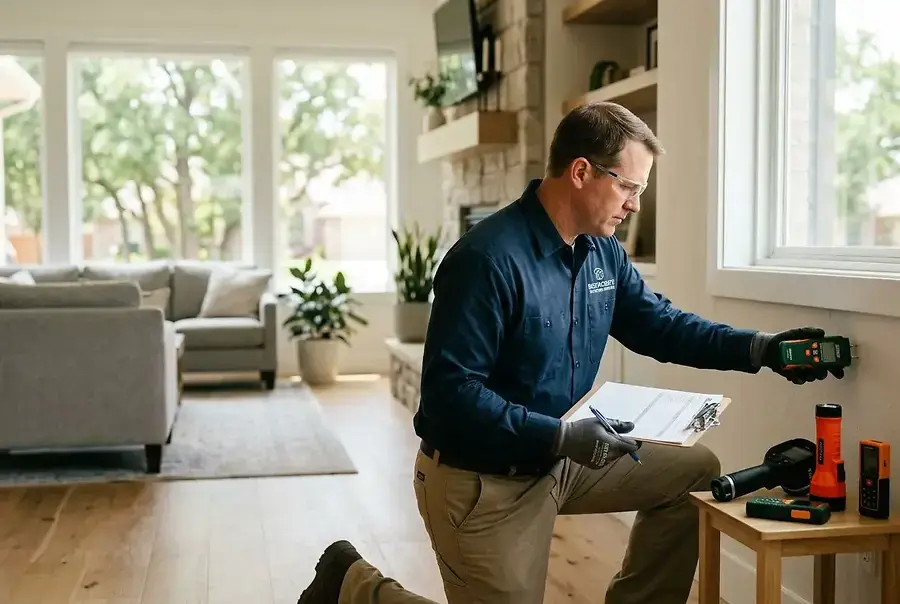
Why Home Inspections Matter for Edmond Buyers
Purchasing a home is one of the most significant financial decisions you'll make in your lifetime. In Edmond's competitive real estate market, it's easy to get caught up in the excitement of finding your dream property and overlook one of the most critical steps in the buying process: the professional home inspection.
A comprehensive home inspection serves as your personal advocate, providing an objective assessment of the property's condition before you commit to the purchase. Rather than discovering expensive structural issues or hidden damage after closing, a thorough inspection gives you the knowledge and leverage to negotiate repairs, request credits, or even walk away from a problematic property.
The inspection protects your investment by:
- Identifying structural and safety concerns that could cost thousands to repair
- Revealing hidden damage in walls, attics, and crawl spaces
- Assessing the condition and remaining lifespan of major systems
- Providing documentation for insurance and financing purposes
- Giving you negotiating power before closing
Key Areas Professional Inspectors Evaluate in Edmond Homes
Foundation and Structural Integrity
Edmond's soil composition and weather patterns make foundation issues a legitimate concern for homeowners. Professional inspectors carefully examine the foundation for cracks, settling, and water damage. They assess the structural integrity of the home's frame, looking for signs of rot, pest damage, or improper repairs that could compromise the entire structure.
Roofing and Exterior Systems
The roof is your home's first line of defense against the elements. Inspectors evaluate the roof's age, condition, and remaining lifespan. They also examine gutters, downspouts, siding, windows, and doors for proper installation and weatherproofing. In Edmond, where weather can be unpredictable, a compromised exterior can lead to costly water intrusion problems.
Plumbing and Water Systems
Inspectors test all water fixtures, check for leaks, and assess water pressure throughout the home. They examine the main water line, shut-off valve, and water heater condition. They also look for signs of water damage, mold, or outdated plumbing materials that may need replacement.
Electrical Systems
A thorough electrical inspection ensures your home meets current safety codes. Inspectors examine the electrical panel, outlets, switches, and wiring. They identify outdated systems, improper installations, or safety hazards that could pose fire risks or require expensive upgrades.
HVAC and Climate Control
Your heating, ventilation, and air conditioning systems are essential for comfort and indoor air quality. Inspectors evaluate the age and condition of your furnace, air conditioner, and ductwork. They assess whether these systems are functioning properly and estimate their remaining useful life.
Insulation and Ventilation
Proper insulation and ventilation affect energy efficiency and prevent moisture problems. Inspectors check attic insulation levels, ventilation adequacy, and look for signs of moisture accumulation or mold growth that could indicate ventilation issues.
Red Flags and How to Negotiate After Inspection Results
Common Red Flags in Edmond Homes
Major concerns that warrant serious consideration include:
- Foundation cracks or settling – Structural repairs can be extremely expensive
- Roof damage or age – Replacement costs can exceed $10,000
- Water damage or mold – Indicates moisture problems that could spread
- Outdated electrical systems – May require complete panel replacement
- HVAC system failure – Replacement is a significant expense
- Plumbing issues – Corroded pipes or improper installations
- Pest damage – Termites or other infestations can compromise structural integrity
Negotiation Strategies
Once you receive your inspection report, you have several options. Don't panic at the first sign of problems – many issues are manageable and negotiable. Consider the severity and cost of repairs when deciding your next move.
You can:
- Request repairs – Ask the seller to fix identified issues before closing
- Request credits – Negotiate a reduction in purchase price to cover repairs yourself
- Request a re-inspection – Verify that repairs were completed properly
- Renegotiate the offer – Adjust terms based on the inspection findings
- Walk away – If major issues make the property a poor investment
The key is approaching negotiations professionally and armed with detailed information from your inspection report. Use the inspector's findings as objective evidence to support your requests.
When to Get a Specialist Inspection
If the general inspection reveals potential issues in specific areas, consider hiring specialists.
A foundation engineer, mold inspector, or pest control specialist can provide detailed assessments that help you understand the true scope and cost of problems.These additional inspections often cost $300-$800 but can save you thousands in unexpected repairs.
Using Inspection Reports to Make Confident Offers
A comprehensive home inspection report is more than just a list of problems – it's a roadmap for your home purchase decision. The report provides detailed descriptions of the property's condition, photographs of issues, and recommendations for repairs or further evaluation.
Use this information to:
- Make informed decisions about whether to proceed with the purchase
- Understand the true condition of the property you're buying
- Plan for future maintenance and repairs
- Budget for necessary upgrades or replacements
- Negotiate from a position of knowledge and confidence
Remember that no home is perfect. Older homes will have more wear and tear, while newer homes may have construction defects. The goal of a home inspection isn't to find a flawless property – it's to understand what you're buying and make an informed decision.
By investing in a professional home inspection, you're protecting your financial future and ensuring that your Edmond home purchase is a sound investment. Don't skip this critical step in the buying process, and don't hesitate to ask questions about anything in the inspection report that concerns you.
