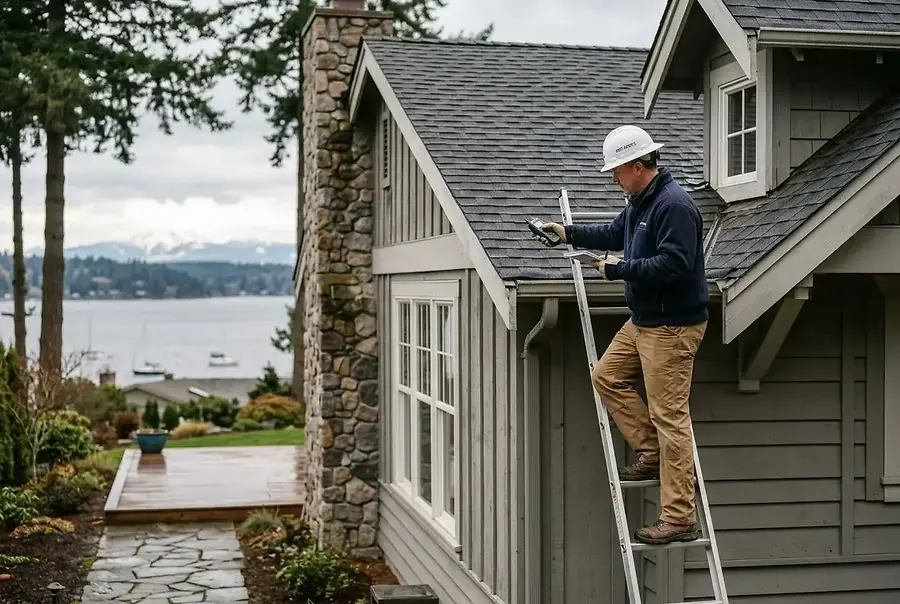
Introduction: Why Home Inspections Matter in Gig Harbor's Market
Purchasing a home is one of the most significant investments you'll make in your lifetime. In Gig Harbor's competitive real estate market, a thorough home inspection isn't just a formality—it's your safeguard against costly surprises and hidden problems. Whether you're a first-time homebuyer or an experienced investor, understanding what inspectors look for can mean the difference between finding your dream home and inheriting a money pit.
Gig Harbor's unique waterfront location and maritime climate create specific challenges that differ from other regions. The combination of moisture, salt air, and seasonal weather patterns can affect homes in ways that standard inspections in other areas might overlook. This guide will help you navigate the inspection process with confidence and protect your investment.
Key Inspection Areas for Gig Harbor Properties: Climate and Structural Concerns
Moisture and Water Damage Assessment
Given Gig Harbor's proximity to the Puget Sound and its rainy climate, moisture intrusion is one of the most critical concerns. Professional inspectors will examine:
- Roof condition and flashing – Look for missing shingles, deteriorated seals, and improper installation that allows water penetration
- Gutters and downspouts – Ensure they're properly directing water away from the foundation
- Foundation and basement – Check for cracks, efflorescence, and signs of water seepage
- Crawl spaces – Inspect for moisture accumulation, mold growth, and proper ventilation
- Windows and doors – Verify weatherstripping and caulking are intact
Structural Integrity and Foundation Issues
Gig Harbor's soil composition and weather patterns can impact structural stability. Inspectors will evaluate:
- Foundation settlement and cracks
- Beam and joist condition in basements and crawl spaces
- Wall alignment and plumb
- Deck safety and structural integrity
- Chimney stability and flashing
Roofing and Exterior Protection
The roof is your home's first line of defense against Gig Harbor's wet climate. Inspectors will assess roof age, material condition, and whether it meets current building codes. They'll also examine siding, trim, and exterior caulking for signs of deterioration or improper installation.
HVAC and Ventilation Systems
Proper ventilation is essential in a damp climate. Inspectors check heating systems, air conditioning units, and ventilation to ensure they're functioning efficiently and preventing moisture buildup in attics and crawl spaces.
Plumbing and Water Systems
Water quality and plumbing integrity are crucial. The inspection should include:
- Water pressure and flow testing
- Pipe material and condition (especially in older homes)
- Septic system functionality (if applicable)
- Water heater age and condition
- Drainage system efficiency
Electrical Systems
Ensure the electrical system is safe and up to code. Inspectors will check the panel, outlets, grounding, and overall system capacity to support modern household needs.
Understanding Inspection Reports and Negotiating Repairs
What to Expect in Your Inspection Report
A comprehensive home inspection report will include detailed findings organized by system and area. The report typically categorizes issues as:
- Safety concerns – Problems that pose immediate risk
- Major repairs – Significant issues requiring professional attention
- Minor repairs – Small fixes that don't affect functionality
- Maintenance recommendations – Preventative care suggestions
Don't be alarmed if the report is lengthy. Inspectors are thorough by nature, and many findings may be minor or easily addressed.
Prioritizing Issues and Repair Estimates
Once you receive your inspection report, work with your real estate agent to prioritize issues. Focus on safety concerns and major structural problems first, then address systems that affect livability. Consider obtaining repair estimates from licensed contractors to understand the true cost of addressing identified issues.
Negotiation Strategies
Armed with your inspection report, you have several options:
- Request repairs – Ask the seller to fix critical issues before closing
- Request credits – Negotiate a price reduction to cover repair costs yourself
- Request partial repairs – Have the seller address major issues while you handle minor ones
- Walk away – If issues are too extensive, you may choose to withdraw your offer
Remember, your inspection contingency period is your opportunity to make an informed decision. Use it wisely.
Getting a Second Opinion
For significant issues, especially those related to structural integrity or moisture damage, consider hiring a specialist. A structural engineer or moisture specialist can provide detailed assessments and repair recommendations that give you confidence in your negotiating position.
Conclusion: Making Informed Decisions as a Gig Harbor Homebuyer
A thorough home inspection is your most valuable tool in the homebuying process. In Gig Harbor's unique climate and market, understanding what inspectors look for—and what questions to ask—empowers you to make informed decisions that protect your investment for years to come.
Take the inspection process seriously, review reports carefully, and don't hesitate to ask questions or seek specialist opinions. The time and resources you invest in a comprehensive inspection now will pay dividends in peace of mind and financial protection. Your dream Gig Harbor home should be built on a solid foundation—literally and figuratively.