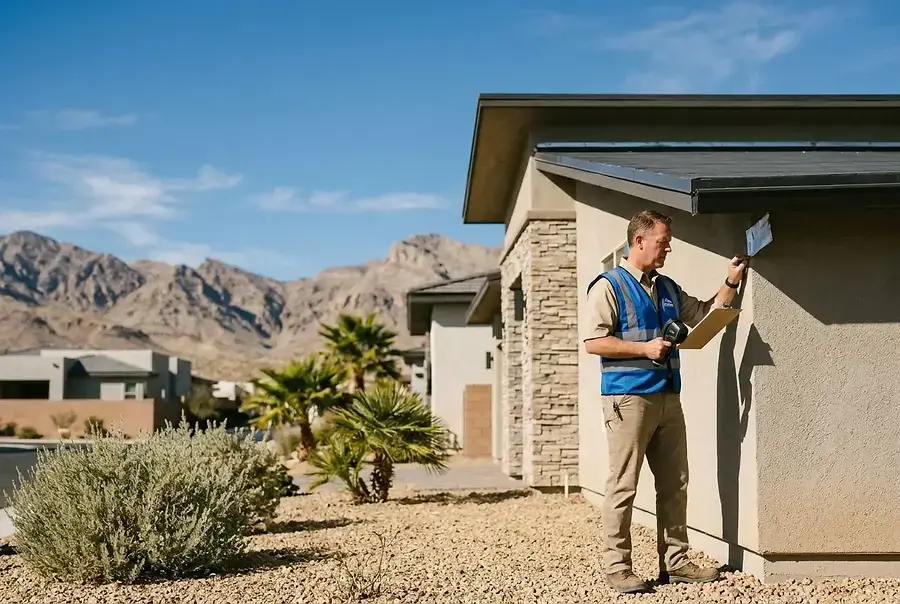
Understanding the Importance of Home Inspections in Las Vegas
Purchasing a home is one of the most significant financial decisions you'll make, and in the Las Vegas market, a professional home inspection is absolutely critical. The desert climate, intense heat, and unique construction challenges specific to Nevada create conditions that can lead to unexpected problems if not properly evaluated. A thorough home inspection provides you with a detailed assessment of the property's condition and helps you make an informed decision before committing your money.
Many first-time buyers underestimate the value of a comprehensive inspection, viewing it as an unnecessary expense. However, the cost of an inspection—typically between $300 and $500—is minimal compared to the potential repairs you could face after closing. An inspector acts as your advocate, identifying issues that could cost thousands of dollars to fix, from foundation problems to HVAC failures in the intense Las Vegas heat.
Why Las Vegas Properties Require Special Attention
Las Vegas homes face unique challenges due to the desert environment. The extreme temperature fluctuations, low humidity, and intense UV exposure can accelerate wear and tear on roofing materials, exterior paint, and landscaping. Additionally, the alkaline soil composition and hard water can affect plumbing systems and water heaters. Understanding these regional factors helps you appreciate why a local, experienced inspector is invaluable.
Key Areas to Inspect: From Foundation to Roof in Desert Conditions
Foundation and Structural Integrity
The foundation is the backbone of any home. In Las Vegas, inspectors pay special attention to:
- Cracks in the foundation or concrete slabs
- Signs of settling or shifting
- Water damage or moisture intrusion
- Proper grading around the foundation to ensure water drainage
Desert soil can shift and settle differently than in other regions, making foundation issues more common. An inspector will look for both minor cosmetic cracks and serious structural problems that could affect the home's stability.
Roofing and Exterior Systems
The Las Vegas sun is relentless, and roofs bear the brunt of this exposure. Inspectors examine:
- Roof age and remaining lifespan
- Shingle condition, curling, or deterioration
- Flashing around chimneys and vents
- Gutters and downspouts for proper drainage
- Exterior walls for sun damage and paint deterioration
A roof that appears fine from the ground may have significant damage when inspected closely. Given the intense desert sun, roof replacement can be a major expense, making this inspection point crucial.
HVAC and Cooling Systems
In Las Vegas, air conditioning isn't a luxury—it's essential. Your inspector will evaluate:
- Age and condition of the air conditioning unit
- Proper refrigerant levels
- Ductwork integrity and insulation
- Thermostat functionality
- Maintenance records and service history
A failing AC system in the desert can be dangerous and expensive to replace. Understanding the condition of this critical system helps you budget for potential repairs or replacements.
Plumbing and Water Systems
Hard water and mineral deposits are common issues in Las Vegas. Inspectors check:
- Water heater age and condition
- Pipe materials and corrosion signs
- Water pressure and flow rates
- Drainage systems and potential blockages
- Evidence of leaks or water damage
The alkaline water in Las Vegas can cause premature deterioration of plumbing fixtures and water heaters, so this area deserves careful attention.
Electrical Systems
A safe electrical system is non-negotiable. Inspectors verify:
- Panel condition and proper grounding
- Adequate circuit capacity for modern appliances
- GFCI outlets in wet areas
- Proper wiring and no outdated aluminum wiring
- Safety switches and breaker functionality
Red Flags and Deal-Breakers: What Inspectors Commonly Find
Structural and Foundation Issues
Major cracks, significant settling, or evidence of past flooding are serious red flags. These problems can be expensive to repair and may indicate deeper structural issues. If an inspector finds these problems, you may want to reconsider the purchase or demand substantial repairs before closing.
Roof Problems
A roof nearing the end of its lifespan or showing signs of damage is a common deal-breaker. Roof replacement in Las Vegas can cost $8,000 to $15,000 or more, making this a significant financial consideration. If the roof needs replacement soon, factor this into your negotiation strategy.
HVAC System Failures
An air conditioning system that's failing or near the end of its life is a major concern in the desert. Replacement costs can exceed $5,000, and you'll need cooling immediately upon moving in. This is often a negotiation point for buyers.
Water Damage and Mold
Evidence of water intrusion, mold growth, or previous flooding is a serious issue. These problems can affect the home's structural integrity and pose health risks. Do not overlook water damage—it often indicates larger problems that may be hidden behind walls.
Outdated or Unsafe Electrical Systems
Aluminum wiring, insufficient grounding, or outdated panels are safety hazards. These issues must be addressed before you move in, and repairs can be costly.
Negotiating Repairs and Next Steps After Your Inspection Report
Understanding Your Inspection Report
Once the inspection is complete, you'll receive a detailed report. Take time to understand it thoroughly. Ask your inspector to explain any issues you don't understand, and prioritize problems by severity—critical safety issues versus minor cosmetic concerns.
Negotiation Strategies
After reviewing the report, you have several options:
- Request repairs: Ask the seller to fix critical issues before closing
- Request credits: Negotiate a reduction in the purchase price to cover repair costs
- Walk away: If issues are too severe or costly, you can terminate the purchase
- Accept as-is: Proceed without requesting changes (not recommended for major issues)
In Las Vegas's competitive market, sellers may be reluctant to make repairs, but critical safety issues and major systems failures are typically negotiable. Be prepared with repair estimates from licensed contractors to support your requests.
Final Steps Before Closing
After negotiations are complete, consider scheduling a final walk-through inspection to confirm that agreed-upon repairs were completed properly. This protects you from moving into a home with unresolved issues. Ensure all repairs are documented and that you have warranties or guarantees for the work performed.
A home inspection is your opportunity to make an informed decision about one of life's biggest purchases. By understanding what to look for and how to use the inspection report effectively, you can protect your investment and avoid costly surprises in the Las Vegas real estate market.