Why Home Inspections Matter in Miami's Real Estate Market
Purchasing a home in Miami and South Florida is one of the most significant investments you'll make in your lifetime. Unlike many other regions, South Florida presents unique environmental and structural challenges that demand thorough professional inspection. A comprehensive home inspection isn't just a formality—it's your safeguard against costly surprises and hidden defects that could compromise your property's safety and value.
In Miami's competitive real estate market, buyers often feel pressured to move quickly. However, skipping or rushing through a home inspection can lead to expensive repairs down the road. Professional inspectors bring specialized knowledge about South Florida's specific construction standards, building codes, and the region's distinctive climate-related issues that general contractors might overlook.
A thorough inspection report provides you with detailed documentation of the property's condition, giving you leverage in negotiations and peace of mind in your purchase decision. Whether you're buying a single-family home, condo, or investment property, understanding what inspectors look for is essential to making an informed decision.
Climate-Specific Concerns: Hurricane Damage, Moisture, and Coastal Issues Affecting Greater Miami Properties
Hurricane Preparedness and Wind Damage
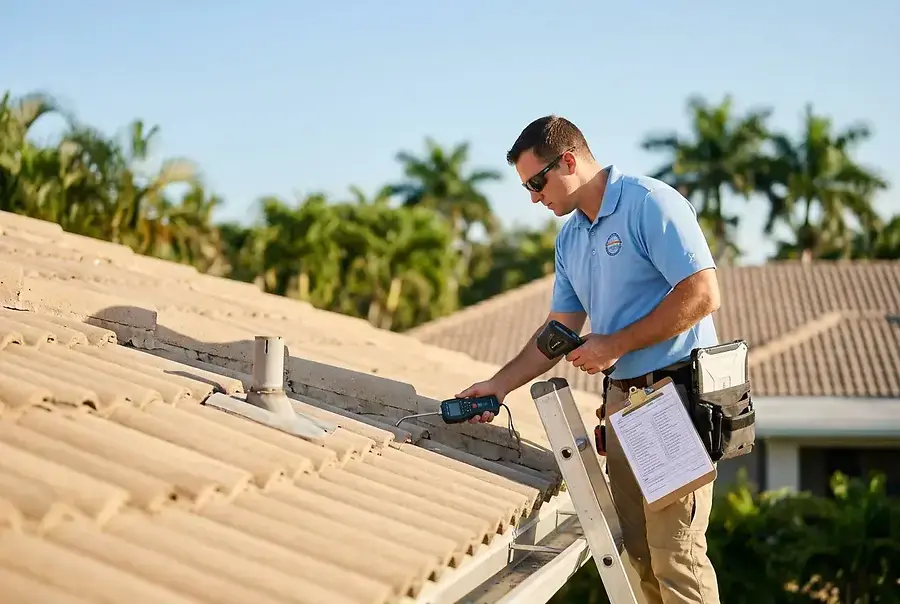
South Florida's hurricane season runs from June through November, making wind resistance a critical inspection component. Inspectors carefully examine roof condition, including shingles, flashing, and structural integrity. They assess whether the property meets current Miami-Dade County building codes, which have been strengthened significantly to withstand high-wind events.
Key areas evaluated include:
- Roof age and condition—most roofs need replacement every 15-20 years
- Impact-resistant windows and doors
- Proper fastening and bracing of the structure
- Garage door reinforcement
- Soffit and fascia integrity
Moisture and Mold Issues
Miami's high humidity and proximity to the ocean create ideal conditions for moisture intrusion and mold growth. Inspectors use moisture meters and thermal imaging to detect hidden water damage behind walls, under flooring, and in attic spaces. This is particularly important in older properties or those that have experienced flooding.
Common moisture-related concerns include:
- Water stains on ceilings and walls
- Soft or deteriorating wood framing
- Mold growth in bathrooms, basements, and crawl spaces
- Improper drainage around the foundation
- Leaking windows and doors
Saltwater Corrosion and Coastal Damage
Properties near the coast face accelerated corrosion of metal components. Inspectors examine metal railings, HVAC units, electrical panels, and fasteners for rust and deterioration. Saltwater exposure can significantly reduce the lifespan of building materials, making regular maintenance and protective coatings essential for coastal properties.
Key Areas Inspectors Examine: Foundation, Roof, HVAC, Plumbing, and Electrical Systems in South Florida Homes
Foundation and Structural Integrity
South Florida's limestone bedrock and high water table create unique foundation challenges. Inspectors look for cracks, settling, and signs of foundation repair. They assess whether the property is built on pilings (common in flood-prone areas) and verify proper elevation. In Miami-Dade County, many homes must meet specific elevation requirements to qualify for flood insurance.
Roofing Systems
The roof is your home's first line of defense against South Florida's weather. Professional inspectors evaluate:
- Roof material type and remaining lifespan
- Proper installation and sealing
- Gutters and downspout functionality
- Attic ventilation and insulation
- Chimney condition and flashing
HVAC Systems
Air conditioning systems work overtime in South Florida's heat and humidity. Inspectors test cooling capacity, check refrigerant levels, examine ductwork for leaks, and verify proper maintenance records. A well-maintained HVAC system is crucial for comfort and energy efficiency in this climate. They also check for proper sizing—undersized units struggle to keep up with demand, while oversized units cycle inefficiently.
Plumbing and Water Systems
South Florida's corrosive environment affects plumbing systems significantly. Inspectors examine:
- Water pressure and flow rates
- Pipe material and condition (copper, PVC, or older galvanized pipes)
- Water heater age and functionality
- Sump pump operation in flood-prone areas
- Septic systems (in areas without municipal sewer)
- Water quality and potential contamination issues
Electrical Systems
Electrical systems must be safe and up to code. Inspectors verify proper grounding, check for outdated wiring, test outlets and switches, and examine the electrical panel for capacity and safety. They look for signs of water damage to electrical components and verify that the system can handle modern appliance loads.
Making Informed Decisions with Inspection Reports to Protect Your Investment
A professional home inspection report provides detailed findings organized by system and severity level. Understanding this report is crucial for making your final purchase decision. The report typically categorizes issues as immediate concerns, items needing repair, or maintenance recommendations.
Use the inspection report as a negotiation tool. Significant defects discovered during inspection may warrant price reductions, seller repairs, or credits toward closing costs.
After receiving the inspection report, you have several options:
- Request repairs: Ask the seller to fix critical issues before closing
- Negotiate credits: Request a reduction in purchase price to cover repairs yourself
- Walk away: If major issues exceed your comfort level or budget
- Accept as-is: Proceed with the purchase understanding the property's condition
Don't skip the inspection contingency period. This is your opportunity to hire a qualified inspector, review findings thoroughly, and make an informed decision. In South Florida's unique environment, a professional inspection isn't an optional expense—it's a critical investment in protecting your property and your financial future.
By understanding what inspectors look for and taking their findings seriously, you'll make a confident, informed purchase decision that protects your investment for years to come.