Why Home Inspections Are Critical in New York's Competitive Real Estate Market
In New York's fast-paced real estate market, the pressure to make quick decisions can be overwhelming. Properties move rapidly, bidding wars are common, and buyers often feel compelled to waive inspections to remain competitive. However, skipping a professional home inspection is a risky gamble that could cost you tens of thousands of dollars in unexpected repairs.
A comprehensive home inspection serves as your financial safeguard and negotiating tool. It provides an objective assessment of the property's condition, identifies hidden defects, and gives you the leverage needed to renegotiate terms or request repairs before closing. In New York's older housing stock, where many properties date back decades, inspections are particularly crucial for uncovering structural issues, outdated systems, and code violations.
Think of a home inspection as an insurance policy for your biggest investment. The cost—typically $400 to $800—is minimal compared to the potential savings from identifying problems early.
The Complete Home Inspection Process: Systems, Structures, and Safety Standards
What Professional Inspectors Evaluate
A thorough home inspection covers multiple critical areas:
- Structural Components: Foundation, walls, roof, and framing integrity
- Electrical Systems: Panel capacity, wiring safety, and code compliance
- Plumbing: Water pressure, drainage, pipe materials, and potential leaks
- HVAC Systems: Heating, cooling, and ventilation functionality
- Roofing: Age, condition, and remaining lifespan
- Insulation and Ventilation: Energy efficiency and moisture control
- Windows and Doors: Sealing, operation, and weather resistance
- Interior Conditions: Walls, ceilings, floors, and visible water damage
- Safety Features: Smoke detectors, carbon monoxide detectors, and handrails
The Inspection Timeline and Process
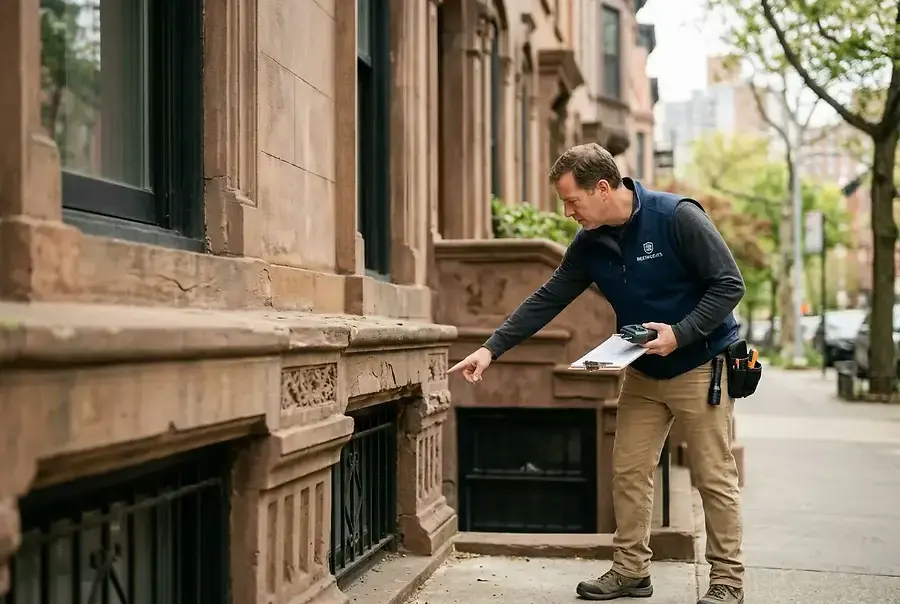
A standard home inspection typically takes 2-4 hours, depending on the property's size and age. The inspector will examine both interior and exterior areas, test systems, and document findings with photographs. After completion, you'll receive a detailed report within 24-48 hours, often including repair estimates and priority recommendations.
Pro tip: Attend the inspection in person when possible. This allows you to ask questions directly and understand the property's condition firsthand.
Common Issues Found in New York Properties and Strategic Negotiation Tactics
Typical Problems in New York Homes
New York's diverse housing stock presents unique inspection challenges. Older brownstones and apartment buildings frequently reveal:
- Water Damage and Mold: Aging roofs and poor drainage create moisture problems
- Outdated Electrical Systems: Knob-and-tube wiring or insufficient panel capacity
- Lead Paint: Common in pre-1978 properties, requiring disclosure and remediation plans
- Asbestos: Found in insulation, floor tiles, and roofing materials
- Structural Issues: Settling foundations, cracked walls, or compromised support beams
- Plumbing Deterioration: Corroded pipes, outdated materials, or inadequate water pressure
- HVAC Deficiencies: Aging systems nearing replacement or improper installation
Using Inspection Findings for Negotiation
Once you receive the inspection report, you have several strategic options:
Request Repairs: Ask the seller to fix critical issues before closing. This is most effective for major problems like roof leaks or electrical hazards.
Negotiate Credits: Request a credit toward closing costs to handle repairs yourself, giving you control over contractor selection and quality.
Price Reduction: Use the inspection report to justify a lower offer, accounting for repair costs and reduced property value.
Contingency Removal: If issues are minor and acceptable, you can remove the inspection contingency to strengthen your offer—but only after careful consideration.
"The inspection report is your roadmap to a confident purchase. Use it strategically, but don't let minor issues derail a good deal."
When to Walk Away
Some inspection findings warrant serious reconsideration. Major structural problems, extensive mold, significant asbestos presence, or systems requiring immediate replacement may indicate the property isn't worth the investment. Trust your inspector's professional judgment and consult with contractors for repair estimates before deciding.
Leveraging Inspection Reports to Make Informed Purchase Decisions
A professional home inspection transforms you from a passive buyer into an informed decision-maker. Rather than hoping for the best, you'll understand exactly what you're purchasing and what investments lie ahead.
Key takeaways for New York buyers:
- Never waive inspections, even in competitive markets—the risk far outweighs the advantage
- Hire a licensed, experienced inspector familiar with New York properties
- Review the report thoroughly and ask questions before making decisions
- Obtain contractor estimates for significant repairs to inform negotiations
- Use inspection findings as leverage to negotiate favorable terms
- Consider long-term maintenance costs when evaluating the property's true value
Your home inspection report is more than a list of problems—it's a strategic asset that protects your investment and empowers your negotiations. In New York's competitive real estate landscape, this knowledge and leverage can mean the difference between a sound investment and a costly mistake.
Invest in a thorough inspection today, and you'll enjoy peace of mind and financial security for years to come.