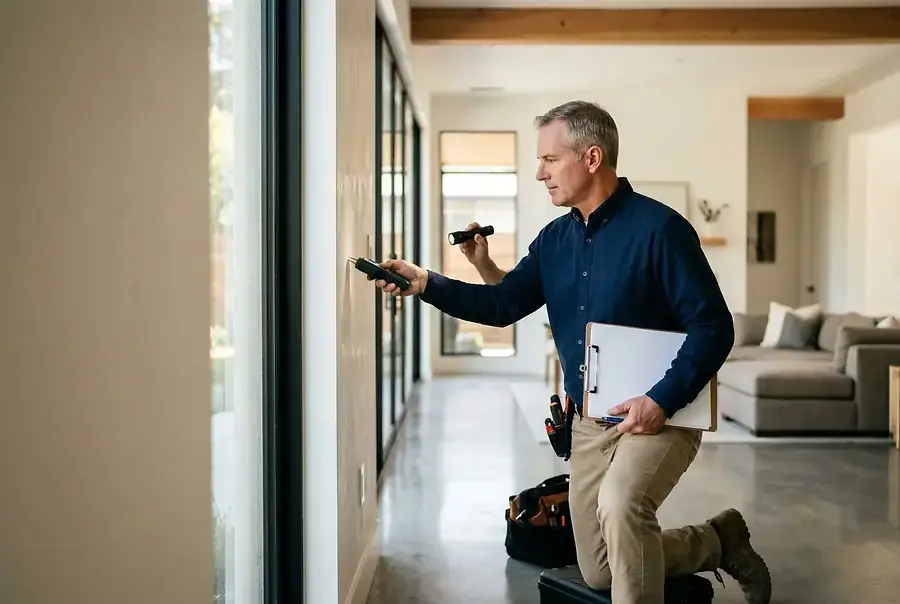
Why Home Inspections Matter in Palo Alto
Purchasing a home in Palo Alto is one of the most significant financial decisions you'll make. The competitive real estate market in this prestigious Silicon Valley community means homes often sell quickly, sometimes with multiple offers. However, speed should never come at the expense of due diligence. A professional home inspection is your opportunity to uncover potential issues before you commit to a purchase.
Home inspections serve as a critical safeguard for buyers. They provide an objective assessment of a property's condition, from the foundation to the roof, and everything in between. In Palo Alto's market, where homes can command premium prices, understanding what you're buying is essential. An inspection report gives you leverage in negotiations and helps you budget for future repairs or maintenance.
Without a thorough inspection, you could inherit costly problems that weren't immediately visible. Whether it's outdated electrical systems, plumbing issues, or structural concerns, these discoveries after closing can drain your finances and create stress. A professional inspector acts as your advocate, identifying issues that might otherwise go unnoticed.
What to Expect During a Professional Home Inspection
The Inspection Process
A typical home inspection in Palo Alto takes between two to four hours, depending on the property's size and age. The inspector will systematically examine all accessible areas of the home, creating a detailed report of their findings.
Here's what inspectors typically evaluate:
- Structural Components: Foundation, framing, and load-bearing walls
- Roofing: Condition, age, and remaining lifespan
- Electrical Systems: Panel, wiring, outlets, and safety features
- Plumbing: Water pressure, drainage, and potential leaks
- HVAC Systems: Heating, cooling, and ventilation functionality
- Insulation and Ventilation: Energy efficiency and moisture control
- Interior and Exterior: Walls, ceilings, floors, windows, and doors
- Appliances: Functionality of included fixtures
Your Role During the Inspection
As the buyer, you're encouraged to walk through the inspection with the inspector. This is your chance to ask questions and understand the property's condition firsthand. Take notes, ask about maintenance history, and inquire about any concerns the inspector identifies. This active participation helps you become a more informed buyer.
Common Issues Found in Palo Alto Homes and How to Address Them
Aging Electrical Systems
Many Palo Alto homes, particularly those built before the 1980s, feature outdated electrical systems. Older wiring may not safely support modern appliances and technology demands. If your inspection reveals this issue, budget for a complete electrical system upgrade, which is a worthwhile investment for safety and home value.
Plumbing Concerns
Older homes often have galvanized pipes that corrode over time, leading to reduced water pressure and potential contamination. Copper or PEX piping replacements are common solutions. Additionally, clay sewer lines can crack due to tree root intrusion—a problem prevalent in Palo Alto's tree-lined neighborhoods.
Roof Condition
Palo Alto's climate is generally mild, but roofs still have a limited lifespan, typically 20-25 years for asphalt shingles. If your inspection reveals a roof nearing the end of its life, factor replacement costs into your offer or negotiate credits with the seller.
Foundation and Structural Issues
While serious structural problems are less common, settling and minor cracks can occur. Any significant structural concerns should be evaluated by a structural engineer before you proceed with the purchase. This additional assessment provides peace of mind and accurate repair estimates.
HVAC System Age
Heating and cooling systems typically last 15-20 years. If your inspection reveals an aging system, plan for replacement costs. Modern, energy-efficient systems can also reduce utility bills, making them a smart long-term investment.
Moisture and Mold Issues
California's dry climate makes moisture issues less common than in other regions, but they can still occur in bathrooms, kitchens, and basements. Proper ventilation and moisture barriers are essential preventative measures.
Using Inspection Results to Make Confident Offers
Negotiating Based on Inspection Findings
Once you receive the inspection report, you have several options. You can request that the seller make repairs before closing, ask for a credit toward repairs you'll handle yourself, or renegotiate the purchase price. In Palo Alto's competitive market, sellers may be less willing to make concessions, but significant issues provide legitimate negotiating points.
Making Your Final Decision
Review the inspection report carefully with your real estate agent and consider consulting specialists for any major concerns. Ask yourself: Are the issues deal-breakers, or can they be addressed within your budget? Understanding the full scope of potential repairs helps you make a decision aligned with your financial situation and long-term goals.
Remember, no home is perfect. The goal of an inspection isn't to find reasons to walk away—it's to understand what you're buying and plan accordingly. Armed with detailed inspection information, you can make confident offers and move forward with your Palo Alto home purchase knowing you've done your due diligence.
A professional home inspection is an investment in your peace of mind and financial security. In Palo Alto's competitive market, this knowledge is power.