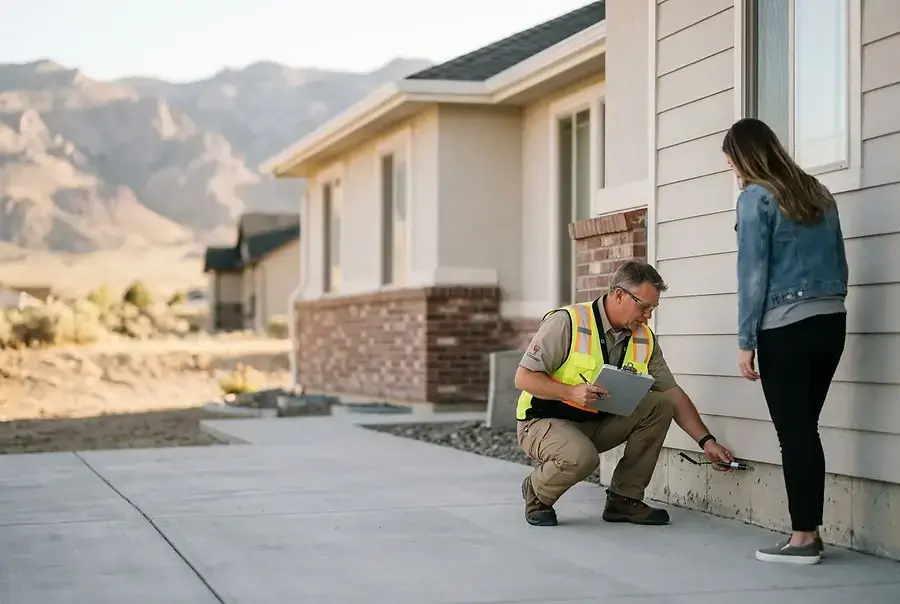
Why Home Inspections Matter in Reno's Real Estate Market
Purchasing a home is one of the most significant investments you'll make in your lifetime. In Reno's competitive real estate market, understanding the importance of a thorough home inspection can save you thousands of dollars and countless headaches down the road. A professional home inspection provides an objective assessment of your potential property's condition, revealing hidden issues that might not be visible during a casual walkthrough.
Reno's unique climate and geography present specific challenges that buyers need to understand. The high desert environment, temperature fluctuations, and occasional seismic activity all impact how homes age and what problems may develop. By investing in a comprehensive inspection, you're not just protecting your financial interests—you're gaining peace of mind and valuable knowledge about your future home.
Key Areas to Inspect: Foundation, Plumbing, and Climate Considerations
Foundation and Structural Integrity
The foundation is literally the backbone of any home. In Reno, inspectors pay special attention to foundation cracks, settling issues, and water damage. Look for signs of:
- Horizontal or diagonal cracks in the foundation
- Uneven floors or doors that don't close properly
- Water stains or moisture in basements or crawl spaces
- Evidence of previous foundation repairs
Minor cracks might be cosmetic, but larger structural issues can be expensive to repair. A qualified inspector will determine whether foundation problems are cosmetic or require immediate attention.
Plumbing Systems and Water Quality
Reno's water quality and mineral content can affect plumbing systems differently than other regions. Inspectors examine:
- Water pressure and flow rates throughout the home
- Pipe materials and condition (galvanized, copper, PVC)
- Signs of leaks or water damage
- Septic system functionality (if applicable)
- Water heater age and condition
Hard water is common in Reno, which can lead to mineral buildup in pipes and appliances. Understanding your home's plumbing condition helps you budget for potential replacements or treatments.
Climate-Related Concerns
Reno's desert climate creates unique inspection considerations. Critical climate-related areas include:
- Roof condition and UV damage from intense sun exposure
- HVAC system efficiency and capacity for extreme temperatures
- Insulation levels adequate for temperature swings
- Window and door seals preventing air leaks
- Grading and drainage to prevent flash flooding
The intense summer heat and occasional winter snow require homes to be properly sealed and insulated. An inspector will assess whether your potential home can handle Reno's climate demands efficiently.
Red Flags and Deal-Breakers: What Inspectors Look For
Major Red Flags
Certain findings during a home inspection should raise serious concerns. Deal-breaker issues typically include:
- Mold or asbestos: These require professional remediation and can be costly
- Roof damage: Replacement costs can exceed $10,000
- Electrical hazards: Outdated wiring or safety violations pose fire risks
- Severe foundation problems: Major structural repairs are expensive and complex
- HVAC system failure: Complete replacement can be a significant expense
Warning Signs Worth Investigating
Some issues aren't necessarily deal-breakers but warrant further investigation and negotiation:
- Minor roof leaks or missing shingles
- Outdated plumbing fixtures or water heater nearing end of life
- Inadequate insulation in attic or walls
- Cracks in drywall or exterior paint peeling
- Aging HVAC systems still functioning but approaching replacement age
These issues give you leverage to negotiate repairs, credits, or price reductions with the seller.
A thorough inspection report provides documentation that strengthens your negotiating position and helps you make informed decisions about moving forward with the purchase.
The Inspection Process
Professional home inspectors typically spend 2-3 hours examining a property. They'll check:
- Exterior condition and landscaping
- Roof and gutters
- Doors and windows
- Interior walls and ceilings
- Kitchen and bathroom fixtures
- Basement or crawl space
- Electrical panel and outlets
- Heating and cooling systems
You should always attend the inspection if possible. This gives you the opportunity to ask questions directly and understand the inspector's findings firsthand.
Making Informed Decisions with Professional Inspection Guidance
A home inspection report is your roadmap to understanding your potential purchase. Use it strategically:
- Request repairs: Ask the seller to fix major issues before closing
- Negotiate credits: Request a price reduction to cover repair costs yourself
- Plan your budget: Identify upcoming maintenance and replacement needs
- Walk away if necessary: If issues are too severe, the inspection gives you grounds to terminate the purchase
Remember that no home is perfect. The goal of an inspection isn't to find a flawless property—it's to understand what you're buying and make an informed decision based on complete information.
In Reno's real estate market, working with a qualified home inspector and taking their findings seriously can be the difference between a smart investment and a costly mistake. Don't skip this critical step in your home-buying journey. Your future self will thank you for the diligence you invest today.