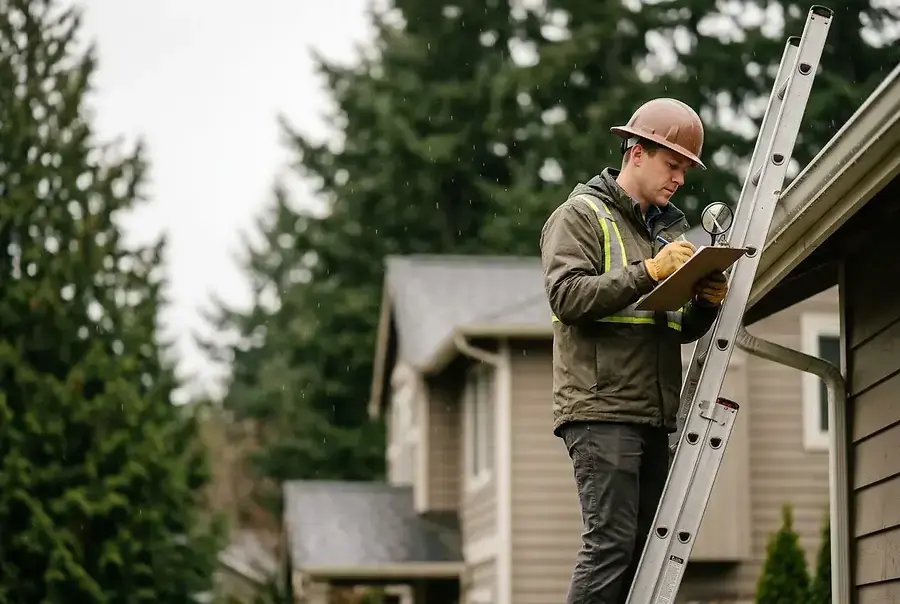
Why Home Inspections Matter in Seattle and Burien
Purchasing a home is one of the most significant investments you'll make in your lifetime. In the Seattle and Burien areas, where the Pacific Northwest climate presents unique challenges, a thorough home inspection is not just recommended—it's essential. A professional home inspection provides an objective assessment of your potential property's condition, helping you understand what you're truly buying and identifying any issues that could affect your safety, comfort, and financial investment.
Home inspections serve as your protection against costly surprises after closing. They give you the knowledge needed to negotiate repairs, request credits, or make informed decisions about whether to proceed with the purchase. In a region where moisture, aging foundations, and weather-related wear are common concerns, having a qualified inspector examine your future home is invaluable.
Common Issues Found in Pacific Northwest Homes
Moisture and Water Damage
The Pacific Northwest's rainy climate makes moisture intrusion one of the most prevalent issues in local homes. Inspectors pay close attention to:
- Roof condition and potential leaks
- Gutter systems and proper drainage
- Foundation cracks and water seepage
- Basement and crawlspace moisture
- Mold growth in attics, walls, and crawlspaces
Water damage can be extremely costly to repair, making it critical to identify these issues early. Even small leaks can lead to structural damage and mold problems if left unaddressed.
Foundation and Structural Concerns
Many homes in the Seattle and Burien area were built decades ago on foundations that may have settled or shifted over time. Inspectors examine:
- Foundation cracks and their severity
- Signs of settling or shifting
- Basement wall integrity
- Support beam conditions
Foundation issues can range from minor cosmetic cracks to serious structural problems requiring expensive repairs. A professional inspection helps determine which issues need immediate attention.
Roofing and Exterior Damage
Constant exposure to rain and wind takes a toll on roofing materials. Inspectors look for:
- Missing or damaged shingles
- Flashing deterioration around chimneys and vents
- Gutter damage and improper drainage
- Siding rot and weathering
- Window and door seal integrity
HVAC and Plumbing Systems
Older homes in the region often have aging heating and plumbing systems. Inspectors evaluate:
- Furnace age and functionality
- Water heater condition
- Pipe materials and corrosion
- Drainage system efficiency
What to Expect During the Inspection Process
Before the Inspection
Schedule your inspection as soon as your offer is accepted. Most inspections take 2-4 hours depending on the home's size and age. Arrange to be present during the inspection so you can ask questions and learn about the property firsthand.
During the Inspection
A qualified home inspector will systematically examine:
- Exterior: roof, siding, foundation, drainage
- Interior: walls, ceilings, floors, doors, windows
- Attic and crawlspace conditions
- Electrical systems and outlets
- Plumbing and water systems
- HVAC systems and ventilation
- Appliances included in the sale
The inspector will take photos, notes, and measurements throughout the process. Don't hesitate to ask questions about anything you notice or want clarified.
After the Inspection
You'll receive a detailed inspection report within 24-48 hours. This comprehensive document outlines all findings, categorizing issues by severity. Take time to review the report carefully and consult with your real estate agent about next steps.
Using Inspection Reports to Negotiate and Make Informed Decisions
Understanding the Report
Inspection reports typically categorize findings into three levels:
- Critical Issues: Safety hazards or major structural problems requiring immediate attention
- Major Issues: Significant repairs needed within the next few years
- Minor Issues: Maintenance items or cosmetic concerns
Negotiation Strategies
Armed with your inspection report, you have several options:
- Request repairs: Ask the seller to fix critical and major issues before closing
- Request credits: Negotiate a price reduction to cover repair costs yourself
- Request re-inspection: Have specific repairs verified after completion
- Walk away: If issues are too extensive, you may choose to terminate the purchase
A well-negotiated inspection contingency can save you thousands of dollars and prevent future headaches.
Making Your Decision
Consider the age of the home, the severity of issues found, and your budget for repairs. Some issues are cosmetic, while others affect the home's safety and longevity. Your inspector can often provide estimates for repair costs, helping you make an informed decision.
Taking Control of Your Home Purchase
A professional home inspection is your opportunity to truly understand the property you're considering. In the Seattle and Burien area, where climate-related issues are common, this step is particularly important. By understanding what inspectors look for and how to use their findings, you're taking control of one of life's biggest decisions.
Don't skip the inspection to save money or speed up the process. The insights gained from a thorough inspection far outweigh the cost, protecting both your investment and your peace of mind. Work with a qualified, local inspector who understands the unique challenges of Pacific Northwest homes, and use their expertise to make a confident, informed decision about your new home.