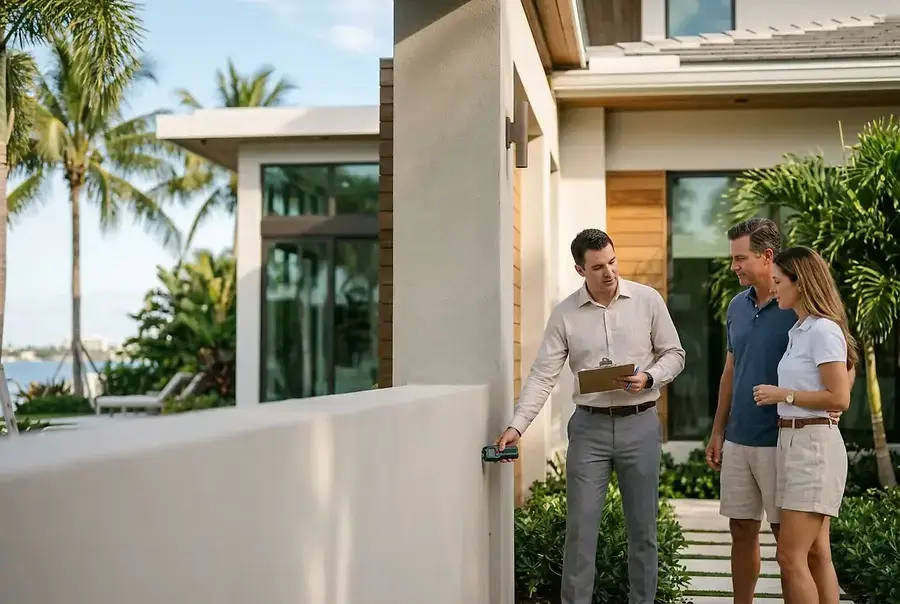
Why Home Inspections Matter in South Florida
Purchasing a home in South Florida is a significant investment, and a thorough home inspection is essential to protect your financial interests. The unique climate, coastal environment, and construction practices in Miami, Fort Lauderdale, and Palm Beach create specific challenges that differ from other regions. A comprehensive inspection can reveal hidden problems that could cost thousands to repair, from water damage to structural issues caused by salt air and humidity.
South Florida's tropical climate, high humidity levels, and proximity to the ocean create an environment where homes face accelerated wear and tear. Additionally, the region's hurricane season and flood risks make it crucial to understand a property's condition before committing to a purchase. Professional home inspectors familiar with South Florida properties can identify issues that untrained eyes might miss.
Key Inspection Areas for Coastal and Urban Properties
Roof and Exterior Structures
The roof is your home's first line of defense against South Florida's intense sun, heavy rains, and hurricane-force winds. Inspectors should examine:
- Shingle condition and age (most roofs last 15-20 years in South Florida)
- Proper fastening and wind resistance ratings
- Flashing around chimneys, vents, and skylights
- Signs of water damage or leaks in the attic
Foundation and Structural Integrity
South Florida's sandy soil and high water table present unique challenges. Foundation issues can develop slowly and become expensive problems if left unaddressed. Inspectors should look for:
- Cracks in the foundation or concrete slab
- Evidence of settling or shifting
- Water intrusion or moisture in crawl spaces
- Proper drainage systems around the property
Plumbing and Water Systems
Saltwater intrusion and corrosion are significant concerns in coastal properties. Key inspection points include:
- Pipe material and age (copper vs. PVC)
- Water pressure and flow rates
- Septic system condition (if applicable)
- Water heater age and functionality
- Evidence of leaks or water damage
HVAC and Cooling Systems
Air conditioning is essential in South Florida, making HVAC systems critical. Inspectors should evaluate:
- Age and maintenance history of the AC unit
- Proper refrigerant levels and efficiency
- Ductwork condition and insulation
- Thermostat functionality
Electrical Systems
Older homes may have outdated electrical systems that cannot handle modern power demands. Important checks include:
- Panel capacity and condition
- Grounding and bonding systems
- GFCI outlets in wet areas
- Proper wiring and code compliance
Common Issues Found in South Florida Homes and How to Address Them
Water Damage and Mold
Water intrusion is the most common problem in South Florida homes. High humidity, heavy rainfall, and coastal moisture create ideal conditions for mold growth. Look for:
- Discoloration on walls or ceilings
- Musty odors in closets or bathrooms
- Soft spots in drywall or wood
- Previous water damage repairs
Address water damage immediately by identifying the source, improving drainage, and ensuring proper ventilation throughout the home.
Salt Air Corrosion
Properties near the coast experience accelerated corrosion of metal components. This includes:
- Rusted metal railings and fixtures
- Corroded HVAC components
- Deteriorating metal roof fasteners
- Damaged exterior hardware
Regular maintenance and protective coatings can help mitigate salt air damage.
Hurricane and Wind Damage
Even older hurricane damage can affect a home's structural integrity. Inspectors should check for:
- Previous repairs or patches that may not meet current codes
- Inadequate hurricane straps or bracing
- Impact-resistant windows and doors
- Proper roof-to-wall connections
Pest Infestations
South Florida's warm climate attracts termites, cockroaches, and other pests. A pest inspection should accompany your home inspection to identify:
- Active termite damage or mud tubes
- Evidence of rodent activity
- Pest entry points
- Previous pest control treatments
Flood Risk and Elevation
Understanding a property's flood risk is critical in South Florida. Ask your inspector to assess:
- Elevation relative to flood zones
- Flood insurance requirements
- Drainage patterns and standing water
- Proximity to bodies of water
Making Informed Decisions Before Your Purchase
A thorough home inspection is your opportunity to make an informed decision about one of the largest purchases of your life. Don't skip this crucial step or hire an inexperienced inspector unfamiliar with South Florida properties.
After receiving the inspection report, work with your real estate agent to negotiate repairs or credits with the seller. Some issues may be deal-breakers, while others can be addressed through proper maintenance and repairs. Request documentation of any previous repairs, especially those related to water damage, foundation work, or roof replacement.
Remember, a comprehensive home inspection protects your investment and gives you peace of mind as you settle into your new South Florida home. Take the time to understand the inspection findings and ask questions about any concerns. Your inspector should be willing to explain issues in detail and provide recommendations for addressing them.
By prioritizing a professional home inspection and understanding the unique challenges of South Florida properties, you'll be well-equipped to make a confident purchasing decision in Miami, Fort Lauderdale, Palm Beach, or anywhere else in the region.
