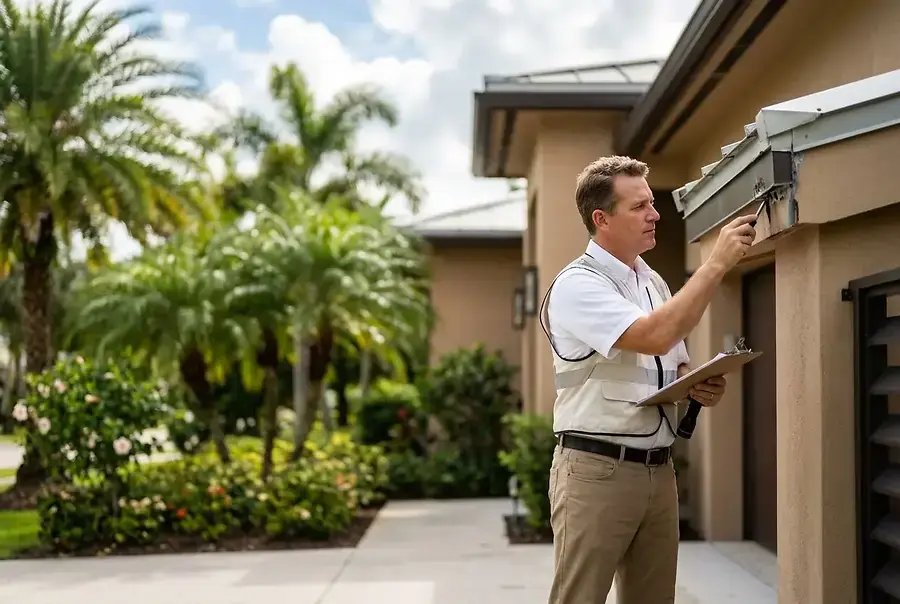
What to Expect During a Professional Home Inspection
A professional home inspection is one of the most critical steps in the home-buying process, especially in South Florida where environmental factors present unique challenges. When you hire a certified inspector, expect a thorough examination that typically lasts two to three hours for a standard residential property.
During the inspection, your inspector will evaluate:
- Structural integrity - Foundation, walls, roof, and overall building stability
- Electrical systems - Wiring, panels, outlets, and safety compliance
- Plumbing systems - Pipes, fixtures, water pressure, and drainage
- HVAC systems - Air conditioning units, heating, and ventilation efficiency
- Appliances - Functionality and remaining lifespan of included appliances
- Interior and exterior - Walls, ceilings, flooring, windows, doors, and landscaping
You have the right to accompany your inspector and ask questions throughout the process. This hands-on approach helps you understand the property's condition and learn about maintenance requirements specific to South Florida homes.
Climate-Specific Issues: Mold, Humidity, and Saltwater Damage in South Florida
Mold and Moisture Problems
South Florida's warm, humid climate creates ideal conditions for mold growth. Inspectors pay special attention to areas prone to moisture accumulation, including:
- Attics and crawl spaces with inadequate ventilation
- Bathrooms and kitchens with poor exhaust systems
- Basement areas and foundation cracks allowing water intrusion
- Air conditioning ducts and condensation lines
Mold can compromise both your health and your home's structural integrity. If detected, you may want to hire a specialized mold inspector for a more detailed assessment before making your offer.
Saltwater and Corrosion Damage
Homes near coastal areas face accelerated corrosion from salt air. Inspectors examine metal components including:
- Roof fasteners and metal flashing
- HVAC units and copper piping
- Electrical conduits and metal railings
- Pool equipment and outdoor fixtures
Saltwater damage can be expensive to repair, so understanding the extent of corrosion helps you negotiate repair costs or request replacements before closing.
Hurricane and Wind Damage
South Florida's hurricane season demands special attention to roof condition, window and door seals, and structural reinforcements. Inspectors look for signs of previous storm damage, improper repairs, or inadequate hurricane-resistant features that could affect your insurance rates and home safety.
Common Red Flags and How to Negotiate Repairs
Major Red Flags to Watch For
Foundation issues are among the most serious concerns. Look for cracks in the foundation, uneven floors, or doors that don't close properly—these could indicate settling or structural problems requiring expensive repairs.
Roof condition is critical in South Florida. If the roof is nearing the end of its lifespan or shows signs of damage, replacement costs can reach $15,000 to $25,000 or more. Many insurance companies require roofs to be less than 25 years old.
Outdated electrical systems with aluminum wiring or insufficient panel capacity may not meet current building codes and could pose fire hazards. Upgrading electrical systems is costly and often necessary for insurance purposes.
Plumbing problems such as corroded pipes, low water pressure, or evidence of previous leaks should be investigated further. Replacing plumbing can be invasive and expensive.
Negotiation Strategies
Once you receive the inspection report, you have several options:
- Request repairs - Ask the seller to fix identified issues before closing
- Request credits - Negotiate a reduction in the purchase price to cover repair costs yourself
- Request inspections - Ask for specialized inspections on specific concerns (mold, termites, roof)
- Walk away - If major issues are discovered, you may choose to terminate the contract during the inspection period
Pro tip: Get repair estimates from licensed contractors before negotiating. Sellers are more likely to accept reasonable requests backed by professional quotes.
Moving Forward: Using Inspection Results to Make Confident Offers
The inspection report is your roadmap to making an informed decision. Review the findings carefully and prioritize issues based on safety, cost, and impact on your living situation.
Don't ignore minor issues. Small problems like caulking gaps, loose fixtures, or minor paint touch-ups can accumulate and indicate a property that hasn't been well-maintained. These may signal larger underlying issues.
Use the inspection results to:
- Understand the true condition of your potential investment
- Plan for future maintenance and budgeting
- Make informed negotiations with confidence
- Arrange appropriate insurance coverage based on identified risks
- Schedule follow-up inspections if needed
In South Florida's competitive real estate market, a thorough home inspection protects your investment and gives you the knowledge needed to make confident decisions. Whether you're buying your first home or your fifth, understanding what inspectors look for—and what those findings mean—ensures you're making one of the most important purchases of your life with eyes wide open.