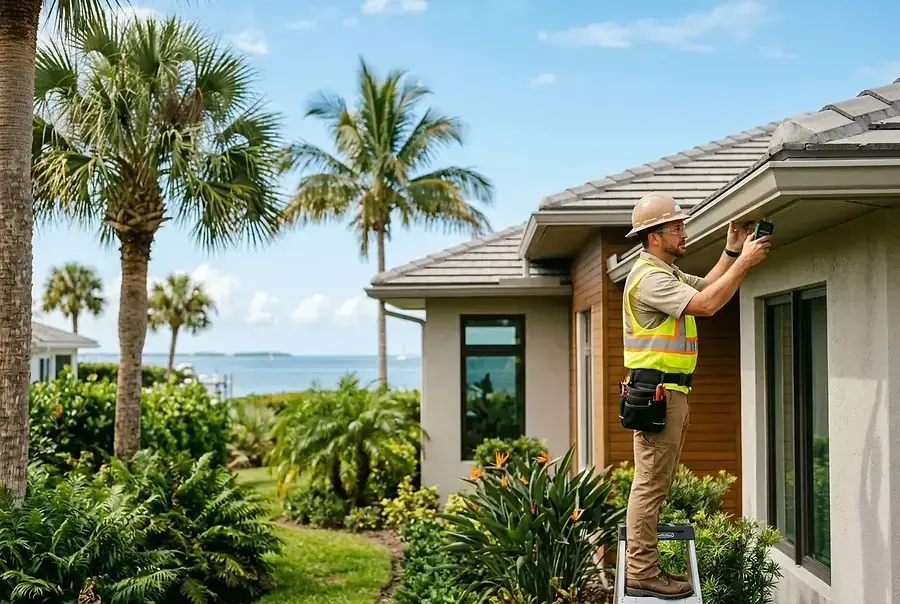
Why Home Inspections Matter in Southwest Florida
Purchasing a home in Southwest Florida is an exciting investment, but the region's unique environmental challenges demand thorough due diligence. Unlike other parts of the country, Gulf Coast properties face distinct threats from humidity, salt air, tropical storms, and moisture intrusion that can compromise structural integrity and lead to costly repairs.
A comprehensive home inspection in Southwest Florida goes beyond standard evaluations. It requires specialized knowledge of how the region's climate affects building materials, systems, and long-term property value. Skipping or rushing through a home inspection could cost you thousands in unexpected repairs and diminished resale value.
Whether you're a first-time buyer or an experienced investor, understanding what inspectors look for in this region will empower you to make informed decisions and negotiate effectively with sellers.
Key Inspection Areas Specific to Gulf Coast Properties
Roof and Attic Conditions
Your roof is your first line of defense against Southwest Florida's intense sun, salt spray, and hurricane-force winds. Inspectors should examine:
- Shingle condition and age—most roofs last 15-20 years in Florida's harsh climate
- Proper fastening and wind resistance ratings
- Flashing around vents, chimneys, and skylights for water intrusion
- Attic ventilation and signs of moisture accumulation
- Evidence of previous repairs or patches that may indicate hidden damage
Pro tip: Ask for documentation of the roof's installation date and any hurricane-resistant upgrades.
Foundation and Structural Integrity
Southwest Florida's sandy soil and high water table create unique foundation challenges. Inspectors should evaluate:
- Cracks in the foundation, walls, or concrete slabs
- Signs of settling or shifting in the structure
- Proper drainage around the foundation to prevent water pooling
- Pier and beam systems for proper support and deterioration
- Evidence of previous flooding or water damage
Plumbing and Water Systems
Corrosion from salt air and mineral-rich water is a serious concern in coastal properties. Key inspection points include:
- Copper piping for corrosion and pinhole leaks
- Water pressure and flow rates
- Water heater age and condition
- Septic systems (if applicable) and proper functioning
- Sump pump operation and battery backup systems
Electrical Systems
Salt air accelerates corrosion of electrical components. Inspectors should check:
- Panel condition and proper grounding
- GFCI outlets in wet areas (bathrooms, kitchens, outdoor spaces)
- Proper breaker sizing and no double-tapped breakers
- Corrosion on outdoor electrical fixtures and conduits
Understanding Florida's Moisture, Mold, and Hurricane-Resistant Features
Moisture and Mold Assessment
Southwest Florida's humidity creates an ideal environment for mold growth, which can affect both property value and occupant health. A thorough inspection should include:
- Moisture meter readings in walls, attics, and crawl spaces
- Visual inspection for visible mold or mildew
- Assessment of HVAC systems and dehumidification capacity
- Proper grading and drainage to prevent water accumulation
- Vapor barriers in crawl spaces and under slabs
Consider requesting a specialized mold inspection if you notice musty odors or see visible discoloration.
Hurricane-Resistant Features
Given the region's hurricane risk, inspectors should verify the presence of protective features:
- Impact-resistant windows and doors or hurricane shutters
- Roof-to-wall connections and proper bracing
- Reinforced garage doors
- Proper roof decking attachment and wind resistance ratings
- Adequate drainage systems to handle heavy rainfall
Properties with these features often qualify for insurance discounts and provide greater peace of mind during storm season.
HVAC and Ventilation Systems
Air conditioning systems work overtime in Southwest Florida. Inspectors should assess:
- Unit age and maintenance history
- Proper sizing for the home's square footage
- Ductwork condition and insulation
- Refrigerant levels and system efficiency
- Adequate ventilation to manage humidity levels
Making Informed Decisions Before Closing
A professional home inspection is your opportunity to uncover potential issues before committing to a purchase. Never waive your inspection contingency, and always hire a licensed inspector with specific experience in Southwest Florida properties.
After receiving the inspection report, review it carefully and discuss findings with your real estate agent. Some issues may be deal-breakers, while others might be negotiable repair items or price reductions. Request that sellers provide documentation of previous repairs, maintenance records, and any permits for renovations.
Remember: A thorough home inspection is not an expense—it's an investment in your peace of mind and financial security.
By understanding the unique challenges of Southwest Florida properties and knowing what to look for during inspections, you'll be better equipped to make confident decisions and protect your investment for years to come.
