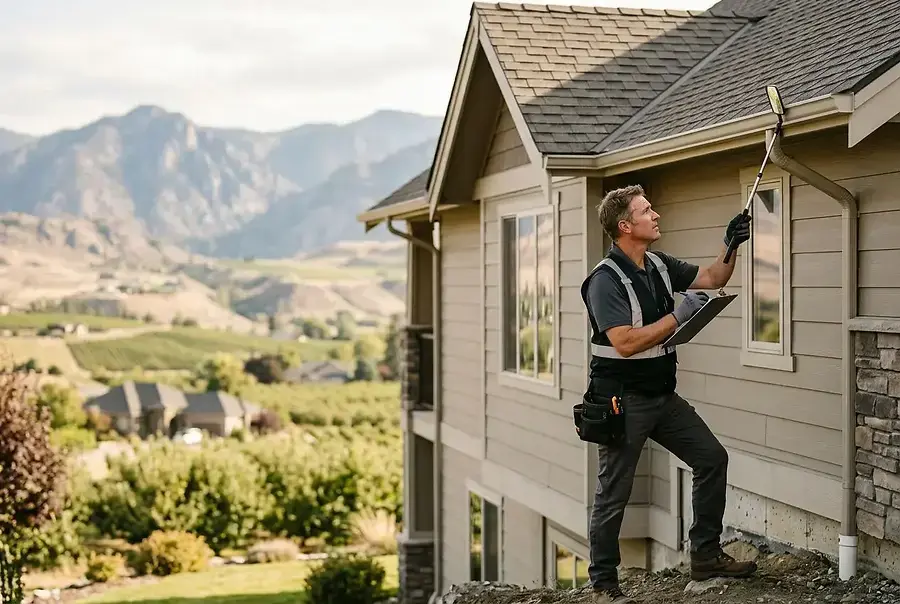
Understanding Home Inspection Requirements in Wenatchee Valley
Purchasing a home in the Wenatchee Valley is a significant investment, and understanding the home inspection process is crucial for protecting your financial interests. A professional home inspection is an essential step that provides you with detailed information about the property's condition before you commit to the purchase.
In Washington State, home inspections are not legally required, but they are highly recommended for all property buyers. The inspection typically occurs after an offer is accepted and gives you a window of time—usually 7 to 10 days—to have a licensed inspector evaluate the property. This inspection serves as your safeguard against inheriting unexpected repairs and costly maintenance issues.
The Wenatchee Valley's unique climate and geography create specific inspection considerations. Properties in this region experience temperature fluctuations, occasional freeze-thaw cycles, and varying soil conditions that can affect foundations, roofing, and exterior structures. Understanding these regional factors helps you ask the right questions during the inspection process.
What Professional Inspectors Look For: A Buyer's Checklist
A comprehensive home inspection covers multiple systems and components of your potential property. Here's what professional inspectors examine:
Structural Components
- Foundation integrity and signs of settling or cracks
- Framing and structural support systems
- Roof condition, age, and remaining lifespan
- Exterior walls, siding, and weatherproofing
- Windows, doors, and seals
Systems and Utilities
- Electrical system safety and code compliance
- Plumbing functionality and water pressure
- Heating and cooling systems efficiency
- Water heater condition and capacity
- Septic or sewer system operation
Interior Conditions
- Flooring, walls, and ceiling conditions
- Moisture and mold presence
- Insulation and ventilation adequacy
- Kitchen and bathroom fixtures
- Appliances included in the sale
Safety Features
- Smoke and carbon monoxide detectors
- Handrails and stair safety
- Proper grading and drainage around the foundation
- Presence of hazardous materials like asbestos or lead paint
Professional inspectors use specialized equipment and their expertise to identify issues that untrained eyes might miss. They provide detailed reports with photographs and recommendations for repairs or further evaluation by specialists.
Common Issues Found in Wenatchee, East Wenatchee, and Lake Wenatchee Homes
Understanding the typical problems found in Wenatchee Valley properties helps you prepare for potential issues and ask informed questions during inspections.
Foundation and Moisture Issues
The region's variable moisture levels can lead to foundation cracks, settling, and basement moisture problems. Homes built on clay-heavy soils may experience more significant foundation movement. Inspectors pay special attention to basement walls and crawl spaces for signs of water intrusion or efflorescence (white mineral deposits).
Roofing Concerns
Wenatchee Valley's temperature swings and occasional snow loads can accelerate roof deterioration. Inspectors look for missing shingles, improper flashing, and signs of premature aging. Many older homes in the area may have roofs nearing the end of their lifespan, typically 20-25 years.
HVAC System Age
Heating systems in this region work hard during winter months. Inspectors frequently find aging furnaces and air conditioning units that may need replacement soon. The average lifespan of these systems is 15-20 years, and replacement can be a significant expense.
Plumbing and Water Quality
Some properties in the Wenatchee Valley rely on well water, which requires specific testing. Inspectors check for proper water pressure, drainage, and potential contamination. Older homes may have outdated plumbing materials that could affect water quality or require upgrades.
Electrical System Updates
Older homes may have outdated electrical panels or insufficient capacity for modern appliances. Inspectors verify that systems meet current safety codes and can handle contemporary electrical demands.
Using Inspection Results to Negotiate and Protect Your Purchase
Once you receive the inspection report, you have valuable information to guide your next steps in the purchasing process.
Reviewing the Report Thoroughly
Take time to understand the inspector's findings. Don't ignore items marked as "needs further evaluation"—these often indicate problems that require specialist assessment. Ask your real estate agent to explain any technical terms or concerns you don't understand.
Prioritizing Issues
Not all inspection findings are equally important. Categorize issues into three groups:
- Critical Issues: Safety hazards or major system failures requiring immediate attention
- Important Issues: Significant repairs needed within the next few years
- Minor Issues: Cosmetic or routine maintenance items
Negotiation Strategies
Use inspection results to negotiate with the seller. You have several options: request repairs before closing, ask for a price reduction to cover repairs yourself, or request a credit at closing. Focus negotiations on critical and important items rather than minor concerns. Be prepared to walk away if major issues aren't adequately addressed.
Planning for Future Maintenance
Even if issues are resolved before purchase, the inspection report provides a roadmap for future maintenance. Systems approaching the end of their lifespan should be budgeted for replacement. Understanding your home's condition helps you plan financially and maintain your investment properly.
Protecting Your Investment
Consider obtaining a home warranty that covers major systems and appliances. This additional protection can save thousands in unexpected repair costs. Additionally, schedule regular maintenance based on the inspection findings to prevent small issues from becoming expensive problems.
A thorough home inspection is your best defense against costly surprises in the Wenatchee Valley real estate market. By understanding what inspectors look for, recognizing common regional issues, and using inspection results strategically, you protect your investment and make informed decisions about your property purchase. Don't skip this critical step—your future self will thank you.
