Understanding the Home Inspection Process: What Buyers Need to Know
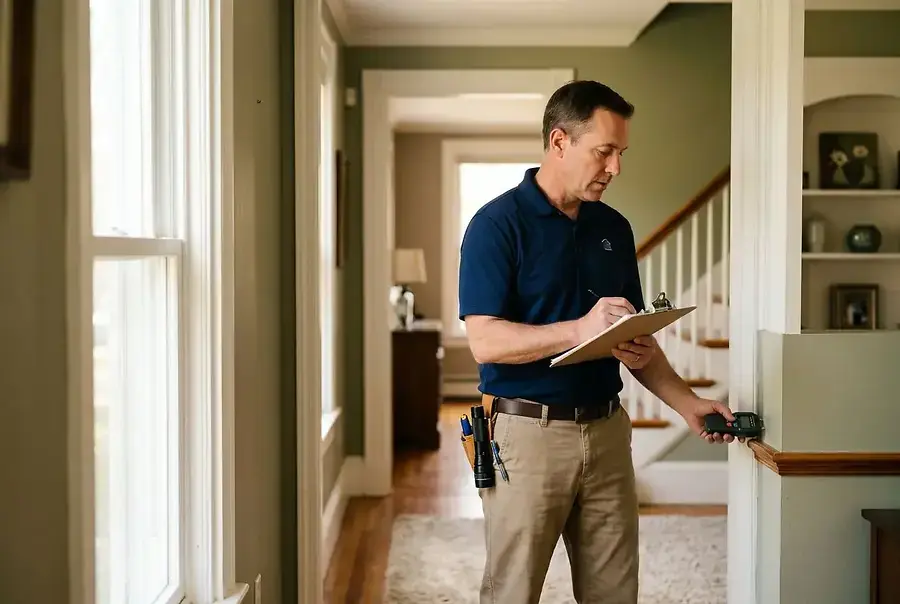
A professional home inspection is one of the most critical steps in the residential buying process. This comprehensive evaluation examines the structural integrity, mechanical systems, and overall condition of a property. For Connecticut buyers, particularly those investing in Fairfield County homes, understanding what inspectors evaluate can help you make informed decisions and protect your financial investment.
During a typical home inspection, a licensed professional will spend two to four hours examining the property from top to bottom. They assess the roof, foundation, plumbing, electrical systems, HVAC equipment, insulation, and more. The inspector creates a detailed report documenting their findings, which becomes your roadmap for understanding the property's true condition.
What Professional Inspectors Examine
Professional home inspectors follow standardized guidelines to ensure thorough evaluations. Here's what they typically assess:
- Structural Components: Foundation, walls, roof framing, and overall structural integrity
- Exterior Elements: Siding, windows, doors, gutters, and drainage systems
- Roofing: Condition, age, and remaining lifespan of roofing materials
- Plumbing Systems: Water pressure, drainage, pipe condition, and water heater functionality
- Electrical Systems: Panel condition, wiring safety, and outlet functionality
- HVAC Systems: Heating and cooling efficiency, age, and maintenance history
- Interior Spaces: Walls, ceilings, floors, and overall interior condition
- Insulation and Ventilation: Energy efficiency and moisture control
Understanding these inspection categories helps you ask informed questions and better interpret the final report.
Common Issues Found in Connecticut Homes and How to Address Them
Connecticut's climate and older housing stock create specific challenges for homeowners. Being aware of common issues helps you anticipate potential problems and budget accordingly.
Moisture and Water Damage
Connecticut's humid climate and seasonal weather patterns make moisture control critical. Inspectors frequently find water intrusion in basements, crawl spaces, and attics. Address these issues promptly by improving drainage, sealing cracks, and ensuring proper ventilation. Water damage can lead to mold growth and structural deterioration if left unattended.
Aging Roof Systems
Many Connecticut homes feature roofs nearing the end of their lifespan. Most asphalt shingle roofs last 15-20 years. If your inspection reveals an aging roof, budget for replacement within the next few years. This is a significant expense, but necessary for protecting your home's interior.
Outdated Electrical Systems
Older Connecticut homes may have outdated electrical panels or insufficient capacity for modern appliances. Inspectors often recommend upgrades to ensure safety and functionality. This is not a cosmetic issue—electrical problems pose fire hazards and should be addressed by licensed electricians.
Plumbing Concerns
Aging plumbing systems, particularly galvanized pipes or polybutylene piping, are common in older Connecticut properties. These materials can corrode or fail, leading to leaks and water damage. Consider budgeting for plumbing updates if your inspection reveals these materials.
HVAC System Age
Heating and cooling systems typically last 15-20 years. If your inspection shows an aging system, factor replacement costs into your offer negotiations. A failing HVAC system can be expensive to repair and replace.
Using Inspection Reports to Negotiate Better Deals and Avoid Costly Surprises
Your inspection report is a powerful negotiation tool. Don't view it as merely informational—use it strategically to protect your interests.
Interpreting Your Inspection Report
Professional inspection reports categorize findings by severity. Major issues require immediate attention and significant investment. Minor issues are cosmetic or low-priority. Understanding this distinction helps you prioritize concerns and negotiate effectively.
Negotiation Strategies
Once you receive your inspection report, you have several options:
- Request repairs: Ask the seller to fix major issues before closing
- Request credits: Negotiate a price reduction to cover repair costs yourself
- Request inspections: Ask for specialized inspections for specific concerns (radon, mold, termites)
- Walk away: If issues are too extensive, you can terminate the purchase
In Fairfield County's competitive real estate market, having a thorough inspection report strengthens your negotiating position. Sellers are more likely to address issues when presented with professional documentation.
Avoiding Costly Surprises
A comprehensive home inspection prevents post-purchase regrets. By identifying problems before closing, you avoid discovering expensive issues after you've already invested your money. This due diligence protects your financial investment and provides peace of mind.
"A home inspection is not an expense—it's an investment in your future. The cost of an inspection is minimal compared to the potential savings from identifying major issues before purchase."
Next Steps: From Inspection Report to Confident Home Ownership
After receiving your inspection report, take these steps to move forward confidently:
Review and Prioritize
Carefully review the inspection report with your real estate agent. Prioritize issues by severity and cost. Focus negotiations on major concerns that affect safety, functionality, or long-term value.
Obtain Specialist Inspections
For significant concerns, consider hiring specialists. Radon testing, mold inspections, and pest inspections provide additional peace of mind. These targeted evaluations cost less than general inspections but provide crucial information.
Plan Your Budget
Use inspection findings to create a realistic post-purchase maintenance budget. Factor in necessary repairs, system replacements, and preventive maintenance. This planning prevents financial surprises during your first years of ownership.
Work with Qualified Contractors
When addressing inspection findings, hire licensed, insured contractors. Get multiple quotes for major repairs and verify credentials. Quality workmanship ensures problems are properly resolved.
Maintain Your Investment
After closing, follow the inspection report's recommendations for ongoing maintenance. Regular maintenance prevents small issues from becoming expensive problems. Schedule annual inspections of critical systems like HVAC and plumbing.
A thorough home inspection is your foundation for confident Connecticut homeownership. By understanding the inspection process, recognizing common issues, and using reports strategically, you protect your investment and avoid costly surprises. Take the inspection seriously, ask questions, and don't hesitate to seek professional guidance. Your future self will appreciate the diligence you invest today.
