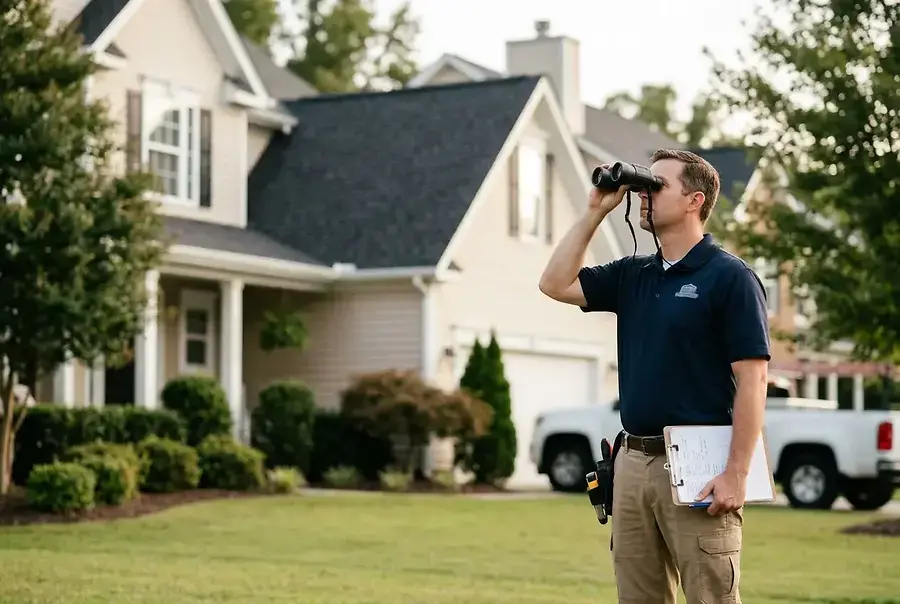
Introduction: Why Pre-Sale Repairs Matter to Modern Buyers
Selling your home is one of the most significant financial decisions you'll make. In today's competitive real estate market, buyers are more informed and cautious than ever. They arrive at showings armed with inspection checklists and high expectations. The difference between a quick sale at your asking price and a property that lingers on the market often comes down to one critical factor: the condition of your home's essential systems and visible repairs.
Modern buyers understand that purchasing a home is not just about the aesthetics—it's about investing in a structurally sound, well-maintained property. When they spot deferred maintenance or obvious repairs, it raises red flags about what else might be hidden. This is why addressing key repairs before listing your home isn't just cosmetic; it's a strategic investment that directly impacts your bottom line.
Critical Systems Buyers Always Evaluate During Inspections
The Roof: Your Home's First Line of Defense
The roof is often the first thing professional home inspectors examine, and for good reason. A compromised roof can lead to water damage, mold, and structural issues that cost tens of thousands to repair. Buyers will scrutinize the roof's age, condition, and remaining lifespan. If your roof is nearing the end of its life or shows signs of damage—missing shingles, sagging, or visible wear—expect buyers to demand significant price reductions or walk away entirely.
Investing in roof repairs or replacement before selling demonstrates that you've maintained the property responsibly and protects buyers from inheriting major expenses.
Electrical Systems: Safety First
Outdated or faulty electrical systems are a serious concern for buyers and inspectors alike. Knob-and-tube wiring, insufficient outlets, or a panel that's at capacity will raise immediate concerns. Many insurance companies won't even cover homes with outdated electrical systems, which can be a deal-breaker for buyers.
Updating electrical panels, replacing old wiring, and ensuring proper grounding are investments that buyers view as essential safety measures, not optional upgrades.
Plumbing and Water Damage
Water damage is one of the costliest issues to remediate. Buyers will look for:
- Signs of leaks or water stains on ceilings and walls
- Mold or mildew in basements and bathrooms
- Outdated or corroded pipes
- Slow drains or plumbing issues
Addressing plumbing repairs and water damage before listing prevents buyers from discovering these issues during inspection and using them as leverage to negotiate down the price.
HVAC Systems: Comfort and Efficiency
Heating, ventilation, and air conditioning systems are critical to home comfort. An aging or non-functional HVAC system can cost $5,000 to $15,000 to replace. Buyers will want to know the age and condition of your system. If it's more than 15 years old or showing signs of wear, consider having it serviced or replaced before selling.
Foundation and Structural Integrity
Cracks in the foundation, uneven floors, or signs of settling are serious red flags. These issues suggest potential structural problems that can be expensive to fix. Have any visible foundation concerns professionally evaluated and repaired before listing.
Budget-Friendly Repairs That Yield Maximum Return on Investment
Fresh Paint and Caulking
One of the most cost-effective repairs is a fresh coat of paint. Interior and exterior paint refresh can dramatically improve curb appeal and buyer perception without breaking the bank. Caulking gaps around windows, doors, and trim also signals attention to detail and prevents future water damage concerns.
Fix Visible Leaks and Drips
Leaky faucets, running toilets, and dripping pipes might seem minor, but they signal poor maintenance to buyers. These inexpensive fixes take just hours and cost under $500 in most cases, yet they demonstrate that you've cared for the property.
Replace Worn Weatherstripping and Caulk
Weatherstripping around doors and windows prevents energy loss and water infiltration. Replacing worn weatherstripping is inexpensive but shows buyers that the home is well-maintained and energy-efficient.
Clean or Replace HVAC Filters
A simple filter replacement costs under $50 but shows that the system has been properly maintained. Clean filters also improve air quality, which buyers will notice immediately.
Repair or Replace Damaged Siding
Cracked, warped, or missing siding is visible from the street and creates a poor first impression. Replacing damaged sections is relatively affordable and significantly improves curb appeal.
Fix Loose or Damaged Trim
Loose baseboards, crown molding, or exterior trim are easy fixes that demonstrate attention to detail. These repairs cost little but contribute to a well-maintained appearance.
Address Obvious Safety Issues
Broken steps, loose railings, or missing handrails are safety hazards that buyers will note. Fixing these issues is inexpensive and essential for buyer confidence.
Conclusion: Strategic Repairs That Accelerate Your Sale
The key to maximizing your home's sale price is understanding what buyers prioritize during inspections. Focus on critical systems first—roof, electrical, plumbing, HVAC, and foundation. These are the areas where deferred maintenance costs you the most in negotiations and buyer confidence.
Then, invest in budget-friendly repairs that demonstrate overall home maintenance. A fresh coat of paint, fixed leaks, and replaced weatherstripping send a powerful message: this home has been cared for.
By addressing these repairs strategically before listing, you'll:
- Attract more serious buyers
- Reduce inspection-related negotiations
- Achieve a faster sale
- Maximize your final sale price
Remember, the goal isn't perfection—it's demonstrating that your home is well-maintained, safe, and move-in ready. When buyers feel confident in the property's condition, they're more willing to make competitive offers and close quickly. That's the real return on your pre-sale repair investment.