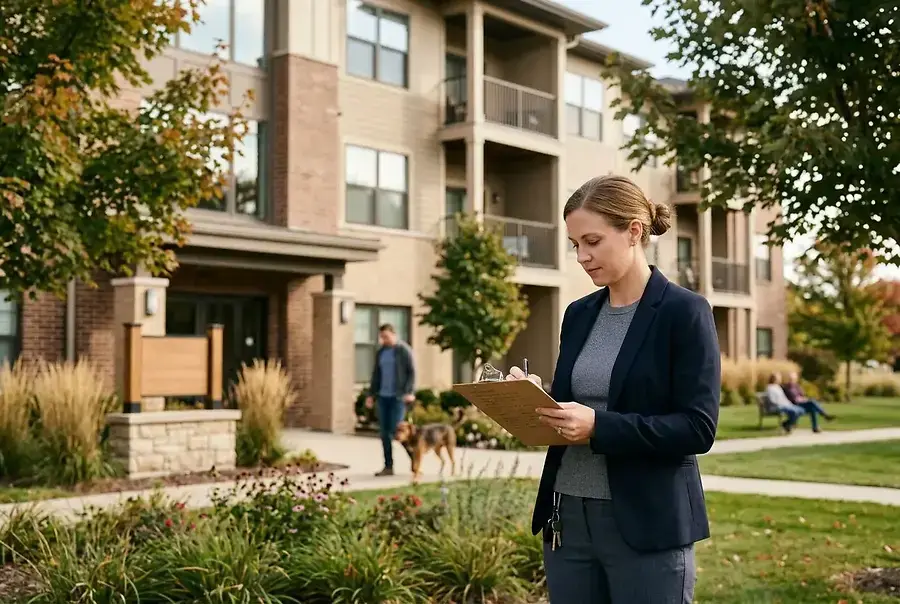
Introduction: The Growing Rental Market in West Michigan Communities
West Michigan's rental market has experienced significant growth over the past few years, attracting both seasoned and novice property investors. Cities like Grand Rapids, Kalamazoo, and Holland have seen increased demand for quality rental properties, driven by population growth, economic development, and a strong job market. Whether you're managing residential apartments or commercial spaces, understanding the fundamentals of effective property management is crucial to your success.
The key to building a profitable rental portfolio lies in implementing strategic management practices that protect your investment while maximizing returns. This article explores essential strategies that will help you navigate the unique challenges and opportunities of the West Michigan rental market.
Tenant Screening and Selection Best Practices
Establishing Rigorous Screening Criteria
One of the most critical decisions you'll make as a property owner is selecting the right tenants. A thorough screening process can prevent costly problems down the road and ensure a stable income stream. Begin by establishing clear criteria that align with fair housing laws and your property standards.
- Credit checks: Review credit reports to assess financial responsibility and payment history
- Background verification: Conduct criminal background checks to ensure tenant safety and property security
- Income verification: Confirm that tenants earn at least 2.5 to 3 times the monthly rent
- Employment history: Verify current employment and stability with previous employers
- Rental references: Contact previous landlords to learn about payment habits and property care
Creating Comprehensive Lease Agreements
A well-drafted lease agreement protects both you and your tenants by clearly outlining expectations and responsibilities. Work with a local attorney familiar with Michigan rental laws to ensure your lease covers all essential terms, including rent payment schedules, maintenance responsibilities, and house rules.
Property Maintenance and Expense Management Strategies
Preventive Maintenance Programs
Regular maintenance is not just about keeping your property attractive—it's about protecting your investment. Preventive maintenance costs significantly less than emergency repairs and helps maintain property value. Establish a maintenance schedule that includes:
- HVAC system inspections and filter changes
- Roof and gutter cleaning
- Plumbing inspections and leak detection
- Exterior painting and weatherproofing
- Appliance servicing and testing
Budgeting and Expense Tracking
Effective expense management directly impacts your bottom line. Create a detailed budget that accounts for all anticipated costs, including property taxes, insurance, utilities, maintenance, and property management fees. Track all expenses meticulously and review your budget quarterly to identify areas where you can optimize spending.
Pro Tip: Set aside 5-10% of your monthly rental income for unexpected repairs and maintenance. This emergency fund will help you handle urgent issues without disrupting your cash flow.
Leveraging Technology for Efficiency
Modern property management software can streamline operations, reduce administrative burden, and improve tenant communication. Consider implementing tools that automate rent collection, maintenance requests, and financial reporting. These systems provide valuable insights into your property's performance and help you make data-driven decisions.
Legal Compliance and Lease Agreement Essentials
Understanding Michigan Rental Laws
Michigan has specific regulations governing landlord-tenant relationships that you must follow to avoid legal complications. Key areas of compliance include:
- Security deposits: Michigan law limits security deposits to 1.5 times the monthly rent and requires specific handling procedures
- Notice requirements: Provide proper notice for rent increases, lease terminations, and property inspections
- Habitability standards: Ensure your property meets all health and safety codes
- Fair housing compliance: Adhere to federal and state fair housing laws in all tenant interactions
- Eviction procedures: Follow proper legal procedures if eviction becomes necessary
Documentation and Record Keeping
Maintain detailed records of all tenant communications, maintenance work, expenses, and lease agreements. Proper documentation protects you in disputes and simplifies tax preparation. Keep records for at least three to five years, including:
- Lease agreements and amendments
- Rent payment records
- Maintenance and repair invoices
- Tenant correspondence
- Property inspection reports
Insurance and Liability Protection
Invest in comprehensive landlord insurance that covers property damage, liability claims, and loss of rent. Review your coverage annually and discuss your specific needs with an insurance agent familiar with West Michigan properties. Adequate insurance protects your investment and provides peace of mind.
Conclusion: Building a Profitable Rental Portfolio in West Michigan
Success in West Michigan's rental market requires a combination of strategic planning, diligent tenant selection, proactive maintenance, and strict legal compliance. By implementing these essential management strategies, you'll create a stable, profitable rental business that generates consistent returns while minimizing stress and risk.
Remember that property management is an ongoing process that demands attention to detail and a commitment to continuous improvement. Stay informed about changes in local regulations, market conditions, and best practices. Consider partnering with experienced property management professionals if you need additional support, especially as your portfolio grows.
The West Michigan rental market offers excellent opportunities for investors who approach property management strategically and professionally. Start with these proven strategies, adapt them to your specific situation, and watch your rental portfolio thrive.