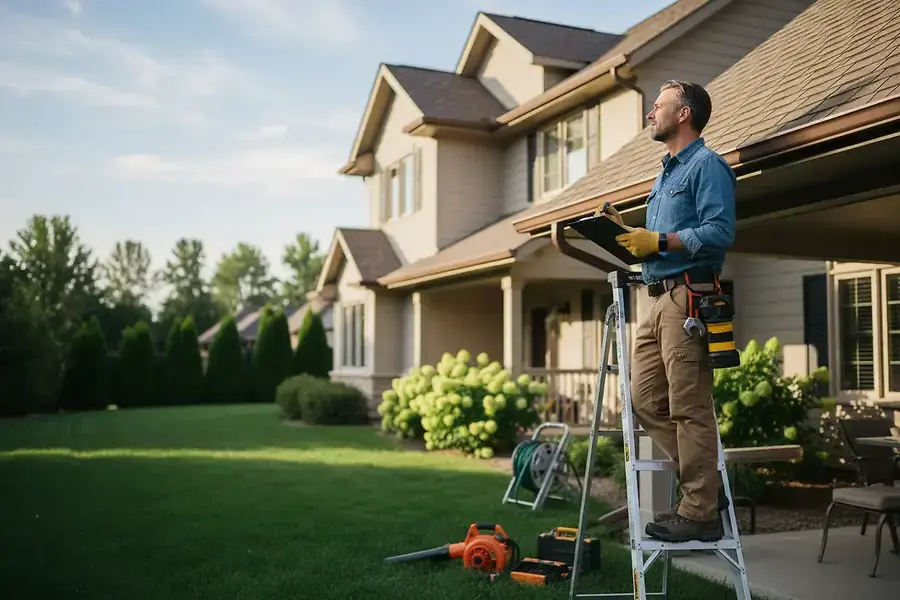
Introduction: Why Preventive Maintenance Matters for Homeowners
Your home is likely one of the most significant investments you'll ever make. Yet many homeowners overlook the importance of regular maintenance, only addressing problems when they become emergencies. Preventive maintenance is the key to protecting your property's value and avoiding costly repairs down the road.
When you neglect maintenance, small issues compound into major problems. A minor roof leak becomes structural damage. A clogged gutter leads to foundation issues. These preventable situations can cost thousands of dollars to repair and significantly diminish your home's market value. By investing time and resources into regular maintenance, you're essentially investing in your home's longevity and your financial security.
The truth is simple: spending a little now prevents spending a lot later. This article outlines the critical maintenance tasks every homeowner should prioritize to keep their property in excellent condition.
Key Interior Maintenance Tasks: Systems, Appliances, and Structural Elements
HVAC System Care
Your heating, ventilation, and air conditioning system works year-round to keep your home comfortable. Schedule professional HVAC inspections at least twice annually—once before winter and once before summer. Replace air filters every 1-3 months, depending on usage and household factors. Clean vents and ducts to ensure proper airflow and efficiency. A well-maintained HVAC system operates more efficiently, reducing energy bills and extending the system's lifespan.
Plumbing System Maintenance
Water damage is one of the most expensive problems homeowners face. Protect your investment by:
- Inspecting under sinks and around toilets for leaks monthly
- Testing water pressure to ensure it's within normal ranges
- Draining water heaters annually to remove sediment buildup
- Having professional plumbers inspect pipes every few years
- Knowing the location of your main water shut-off valve
Early detection of plumbing issues prevents water damage, mold growth, and structural deterioration.
Electrical System Inspection
Electrical problems pose serious safety risks. Have a licensed electrician inspect your home's electrical system every 3-5 years. Check outlets and switches for signs of damage or overheating. Test GFCI outlets in bathrooms and kitchens monthly. Replace any damaged cords or outlets immediately. Proper electrical maintenance ensures safety and prevents fire hazards.
Appliance Maintenance
Kitchen and laundry appliances require regular care to function properly:
- Refrigerators: Clean coils quarterly and check door seals
- Dishwashers: Run cleaning cycles monthly and inspect spray arms
- Washing machines: Clean filters and inspect hoses for cracks
- Dryers: Clean lint traps after every load and have ducts professionally cleaned annually
Interior Structural Elements
Inspect walls, ceilings, and floors regularly for signs of damage. Look for water stains, cracks, or soft spots that indicate underlying problems. Address any structural concerns immediately, as they can worsen quickly and become expensive to repair.
Exterior Maintenance Priorities: Roof, Foundation, and Landscaping Care
Roof Inspection and Maintenance
Your roof is your home's first line of defense against weather. Inspect your roof at least twice yearly, preferably in spring and fall. Look for:
- Missing, cracked, or curling shingles
- Damaged flashing around chimneys and vents
- Moss or algae growth
- Sagging areas or water stains in the attic
Clean gutters and downspouts regularly to prevent water backup and damage. Consider professional roof inspections every 3-5 years to catch problems early.
Foundation Care
A solid foundation is essential for structural integrity. Monitor your foundation for:
- Cracks in basement walls or concrete
- Water intrusion or dampness
- Uneven settling or sloping floors
- Gaps between walls and windows or doors
Foundation problems are serious and require professional assessment. Ensure proper grading around your home so water drains away from the foundation. Install and maintain gutters and downspouts to direct water away from your home's base.
Exterior Painting and Siding
Paint and siding protect your home from weather damage and pests. Repaint exterior surfaces every 5-10 years, depending on climate and paint quality. Inspect siding for damage, rot, or pest entry points. Replace damaged sections promptly to prevent water infiltration and structural damage.
Landscaping and Yard Maintenance
Proper landscaping protects your home and enhances curb appeal:
- Trim trees and branches away from your roof and siding
- Remove dead trees and branches that could fall during storms
- Maintain proper grading to ensure water drains away from your foundation
- Keep vegetation clear of vents and air conditioning units
- Inspect and repair fencing, decks, and patios regularly
Conclusion: Creating a Sustainable Maintenance Schedule for Long-Term Property Protection
Successful home maintenance requires a systematic approach. Create a maintenance calendar that outlines tasks by season and frequency. This helps ensure nothing gets overlooked and spreads costs throughout the year rather than facing unexpected emergencies.
Remember: preventive maintenance is an investment in your home's future, not an expense to avoid.
By prioritizing these essential maintenance tasks—from HVAC care and plumbing inspections to roof maintenance and foundation monitoring—you protect your home's structural integrity, ensure resident safety, and preserve your property's market value. Start today by assessing your home's current condition and developing a maintenance plan that works for your schedule and budget.
Your future self will thank you for the effort you invest in maintaining your home now.