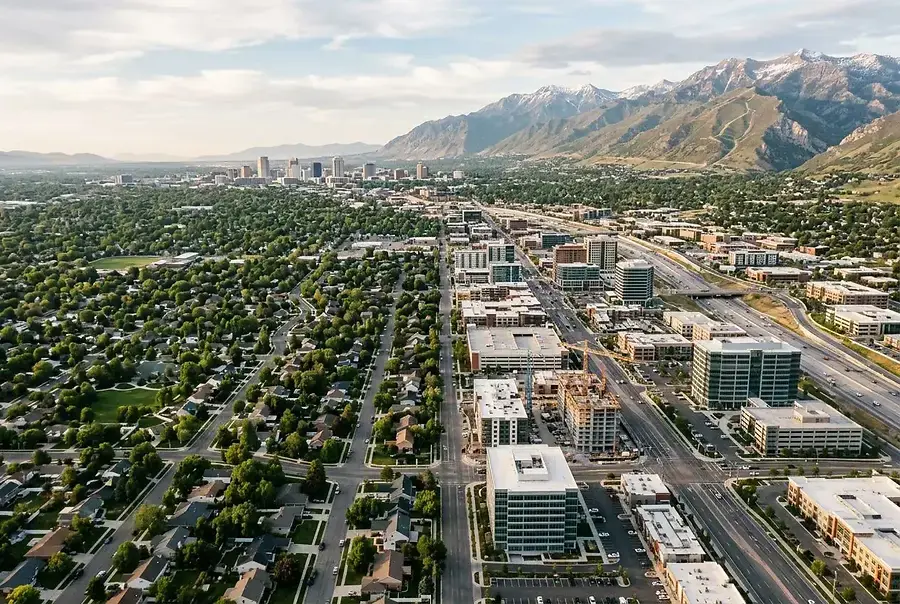
Understanding Utah's Dual Real Estate Opportunities
Utah's real estate market has experienced remarkable growth over the past several years, particularly in the Wasatch Region spanning from Murray through Salt Lake City to Sandy and beyond. This expansion has created unique opportunities for both residential and commercial investors, each with distinct advantages and considerations. Whether you're a first-time homebuyer, an experienced investor, or a business owner seeking to establish operations, understanding the nuances between these two property types is essential for making informed decisions that align with your financial objectives and lifestyle goals.
The growth corridor presents a compelling landscape where demographic trends, economic development, and infrastructure improvements converge to create favorable conditions for real estate appreciation. However, the path to success differs significantly depending on whether you're pursuing residential or commercial investments. This guide explores the critical factors that distinguish these markets and provides actionable insights to guide your decision-making process.
Residential Real Estate: Market Dynamics, Pricing, and Neighborhood Selection in the Wasatch Region
Market Dynamics and Pricing Trends
The residential real estate market in Utah's growth corridor has demonstrated resilience and consistent appreciation. Factors driving this market include:
- Population Growth: Utah consistently ranks among the fastest-growing states, with families attracted by quality of life, educational institutions, and employment opportunities.
- Affordability Relative to Comparable Markets: While prices have increased, Utah remains more affordable than many western metropolitan areas, attracting relocating families and young professionals.
- Low Inventory Levels: Limited housing supply in desirable neighborhoods continues to support price appreciation and competitive bidding scenarios.
- Strong School Districts: Highly-rated schools in areas like Sandy and surrounding communities drive demand for family-oriented neighborhoods.
Neighborhood Selection Strategy
Choosing the right neighborhood requires careful analysis of multiple factors. Proximity to employment centers remains a primary consideration, with Salt Lake City's downtown and tech corridors offering significant job opportunities. Commute times to major employers and educational institutions directly impact property values and quality of life. Additionally, evaluate infrastructure development plans, as new transit corridors and highway improvements can dramatically enhance neighborhood desirability and future appreciation potential.
Consider the demographic profile of neighborhoods you're evaluating. Younger families may prioritize school quality and parks, while empty-nesters might prefer walkable urban environments or low-maintenance properties. Community amenities—including recreation centers, shopping districts, and dining options—significantly influence both lifestyle satisfaction and long-term property values.
Investment Considerations for Residential Properties
Residential investments offer several advantages: lower entry barriers for individual investors, straightforward financing options, and emotional satisfaction of homeownership. However, residential properties require ongoing maintenance, property management (if rented), and are subject to tenant-related considerations. Returns typically come through appreciation and rental income, with the latter requiring active management or professional property management services.
Commercial Real Estate: Investment Potential, Zoning, and Development Trends in Utah's Suburbs
Investment Potential and Market Opportunities
Commercial real estate in Utah's growth corridor presents compelling opportunities for sophisticated investors. The region's economic diversification—spanning technology, healthcare, manufacturing, and retail sectors—creates demand for various commercial property types:
- Office Space: Growing tech companies and corporate relocations drive demand for modern office facilities with flexible layouts and amenities.
- Retail Properties: Expanding population and consumer spending support retail development, particularly in mixed-use environments.
- Industrial and Logistics: Strategic location between major western markets makes Utah attractive for distribution centers and manufacturing facilities.
- Multi-Family Commercial: Apartment complexes and mixed-use developments capitalize on housing demand and urban lifestyle preferences.
Zoning and Regulatory Considerations
Understanding zoning regulations is critical for commercial real estate success. Different municipalities within the growth corridor maintain varying zoning codes and development standards. Murray, Salt Lake City, and Sandy each have distinct comprehensive plans that guide future development. Before investing, thoroughly review:
- Current zoning designations and permitted uses
- Conditional use permit requirements and approval timelines
- Development impact fees and infrastructure requirements
- Future land use plans and potential zoning changes
- Environmental regulations and remediation requirements
Development Trends Shaping Commercial Real Estate
Several macro trends are reshaping commercial real estate in Utah's suburbs. Mixed-use development continues gaining momentum, combining residential, retail, and office components in walkable environments. Sustainability and green building standards increasingly influence development decisions and tenant preferences. Technology integration—including smart building systems and digital amenities—has become essential for competitive commercial properties.
The shift toward flexible work arrangements has transformed office space demand, with companies seeking smaller footprints and collaborative environments rather than traditional cubicle farms. Additionally, e-commerce growth has elevated demand for last-mile distribution facilities and logistics centers, particularly in suburban locations with highway access.
Financial Metrics for Commercial Evaluation
Commercial real estate analysis relies heavily on financial metrics distinct from residential evaluation. Key considerations include:
- Cap Rate (Capitalization Rate): The ratio of net operating income to property value, indicating return on investment.
- Cash-on-Cash Return: Annual cash flow divided by initial cash investment, measuring immediate returns.
- Debt Service Coverage Ratio: Net operating income divided by debt service, critical for lender qualification.
- Lease Terms and Tenant Quality: Long-term leases with creditworthy tenants provide income stability and reduce vacancy risk.
Making Your Decision Based on Goals, Budget, and Long-Term Vision
Assessing Your Investment Goals
The residential versus commercial decision fundamentally depends on your objectives. If your primary goal is wealth building through appreciation and long-term equity accumulation, residential properties offer accessibility and emotional connection to your investment. If you seek regular cash flow and professional investment returns, commercial properties may better align with your objectives, though they require greater capital and expertise.
Budget and Capital Requirements
Commercial properties typically require larger capital investments, more substantial down payments, and higher qualification standards for financing. Residential properties generally offer more flexible financing options, including FHA loans and first-time buyer programs. Evaluate your available capital, financing capacity, and risk tolerance when determining which property type suits your financial situation.
Time Commitment and Expertise
Residential properties can be managed passively through property management companies, though this reduces net returns. Commercial properties demand active involvement or professional management expertise. Consider whether you have—or are willing to develop—the knowledge required for commercial real estate success, including lease negotiation, tenant relations, and financial analysis.
Final Considerations
The best real estate investment aligns with your financial capacity, time availability, expertise level, and long-term vision.Utah's growth corridor offers exceptional opportunities in both residential and commercial sectors. Take time to thoroughly evaluate market conditions, neighborhood or location fundamentals, and your personal circumstances before committing capital. Consider consulting with local real estate professionals, financial advisors, and legal experts who understand Utah's specific market dynamics and regulatory environment.
Whether you choose residential or commercial real estate, the Wasatch Region's continued growth trajectory suggests that well-selected properties in strategic locations will likely appreciate over time. Your decision should reflect not just current market conditions, but your confidence in the region's long-term economic trajectory and your personal ability to manage the investment effectively.