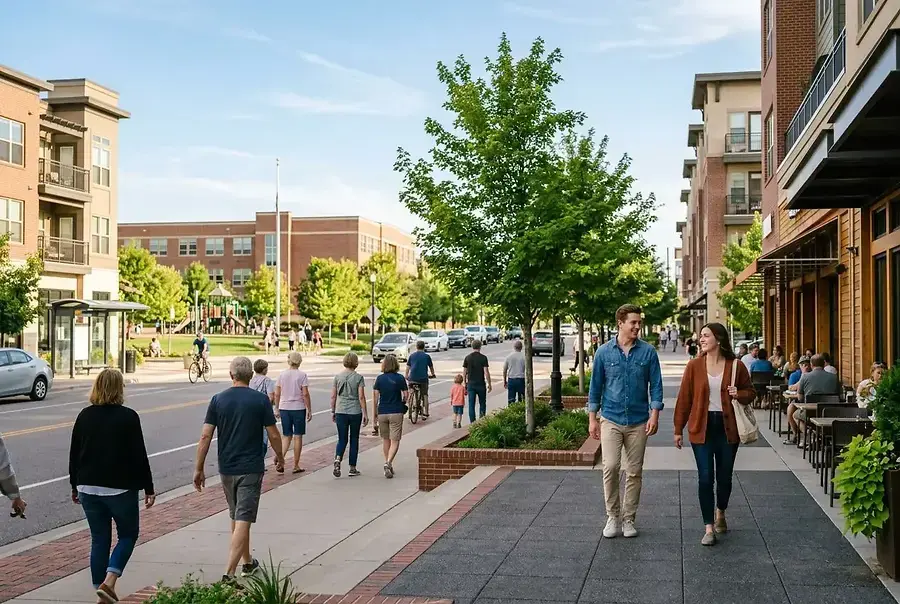
Why Community Features Matter for Homebuyers
When evaluating a potential home purchase, most buyers focus on square footage, price, and architectural style. However, the surrounding community features often have a more significant impact on long-term satisfaction and property value appreciation. Walkability and proximity to essential amenities have become increasingly important factors in residential real estate decisions, particularly as homeowners seek to balance convenience with lifestyle quality.
The location of schools, grocery stores, restaurants, parks, and healthcare facilities directly influences daily living patterns and overall quality of life. Properties situated in walkable neighborhoods with robust amenities typically command higher resale values and attract a broader pool of potential buyers. Whether you're considering a mountain retreat in Colorado or a suburban community in Texas, understanding the amenity landscape is crucial for making an informed investment.
Walkability Standards in Colorado Mountain Towns vs. Texas Plains Cities
Colorado Mountain Communities: Elevation and Accessibility
Colorado's mountain towns present unique walkability challenges and opportunities. Communities like Boulder, Aspen, and Telluride have invested heavily in pedestrian infrastructure, creating highly walkable downtown cores with excellent access to shops, restaurants, and cultural venues. The elevation and terrain in these areas can make walking more strenuous, but the compact nature of mountain communities often keeps essential services within reasonable distances.
Mountain towns typically feature:
- Compact downtown districts with mixed-use development
- Well-maintained sidewalks and pedestrian pathways
- Limited sprawl due to geographic constraints
- Strong emphasis on outdoor recreation accessibility
- Public transportation options connecting residential areas to commercial centers
However, residential neighborhoods in mountain communities may require vehicles for grocery shopping and school runs, despite the walkable downtown areas. The seasonal nature of mountain living also affects walkability during winter months when snow and ice create additional challenges.
Texas Plains Cities: Sprawl and Car Dependency
Texas plains communities, including suburbs of Dallas, Houston, and Austin, typically exhibit lower walkability scores due to suburban sprawl and car-centric development patterns. These areas prioritize single-family homes on larger lots, which naturally increases distances between residential areas and commercial centers.
Texas plains communities typically feature:
- Spread-out residential neighborhoods requiring vehicle transportation
- Separated commercial and residential zoning
- Limited public transportation infrastructure
- Newer developments with planned amenities within gated communities
- Growing mixed-use developments in select urban centers
Despite lower traditional walkability scores, many Texas communities are evolving. Forward-thinking developers are creating new neighborhoods with improved pedestrian access, and established suburbs are retrofitting commercial areas to be more pedestrian-friendly. The flat terrain makes walking physically easier than in mountain regions, though distances remain a challenge.
Essential Amenities That Drive Property Desirability and Resale Value
Educational Institutions
School quality and proximity remain the top amenity consideration for families with children. Properties within highly-rated school districts command premium prices in both Colorado and Texas markets. Beyond traditional public schools, proximity to private institutions, charter schools, and universities adds significant value. Homebuyers research school ratings, test scores, and extracurricular offerings before committing to a neighborhood.
Retail and Dining Options
Access to grocery stores, restaurants, and specialty shops influences daily convenience and lifestyle satisfaction. Colorado mountain towns often feature unique local boutiques and farm-to-table restaurants that enhance community character. Texas plains communities typically offer larger shopping centers and chain establishments. The presence of diverse dining and retail options appeals to different demographic groups, affecting both property values and neighborhood appeal.
Healthcare Facilities
Proximity to hospitals, clinics, and specialized medical services becomes increasingly important as populations age. Communities with excellent healthcare infrastructure attract older homebuyers and families seeking peace of mind. Both Colorado and Texas markets benefit from strong healthcare networks, though rural mountain communities may have limited options compared to Texas urban centers.
Parks and Recreation
Colorado's mountain communities naturally offer exceptional outdoor recreation—hiking, skiing, and mountain biking are integrated into daily life. Texas plains communities compensate with developed parks, golf courses, and recreational facilities. Access to green space and recreational amenities significantly impacts property values and resident satisfaction across both regions.
Public Transportation
While Colorado mountain towns have invested in regional transit systems, and Texas cities are expanding public transportation networks, availability varies significantly by community. Properties near transit hubs command premiums, particularly in areas where residents can reduce vehicle dependency.
Using Amenities as Your Home Selection Checklist
When evaluating communities in Colorado or Texas, create a personalized amenity checklist based on your lifestyle priorities:
- Family-focused: Prioritize school quality, parks, and family-friendly dining options
- Active lifestyle: Seek outdoor recreation access and fitness facilities
- Convenience-oriented: Evaluate walkability scores and proximity to essential services
- Retirees: Focus on healthcare facilities, cultural venues, and low-maintenance communities
- Young professionals: Consider proximity to employment centers, nightlife, and public transportation
Research amenities thoroughly before purchasing. Visit neighborhoods at different times of day, speak with current residents, and review online walkability and amenity rating tools.
Remember that amenities directly impact both your daily quality of life and your property's future resale value.
Colorado mountain communities and Texas plains cities offer distinctly different amenity profiles. Mountain towns provide walkable downtown areas and exceptional outdoor recreation but may require vehicles for some services. Texas plains communities offer sprawling neighborhoods with developing amenity centers and improving pedestrian infrastructure. By understanding these differences and prioritizing amenities that match your lifestyle, you'll make a more informed home purchase decision that satisfies both immediate needs and long-term investment goals.