Understanding Walkability Scores and Their Impact on Property Values
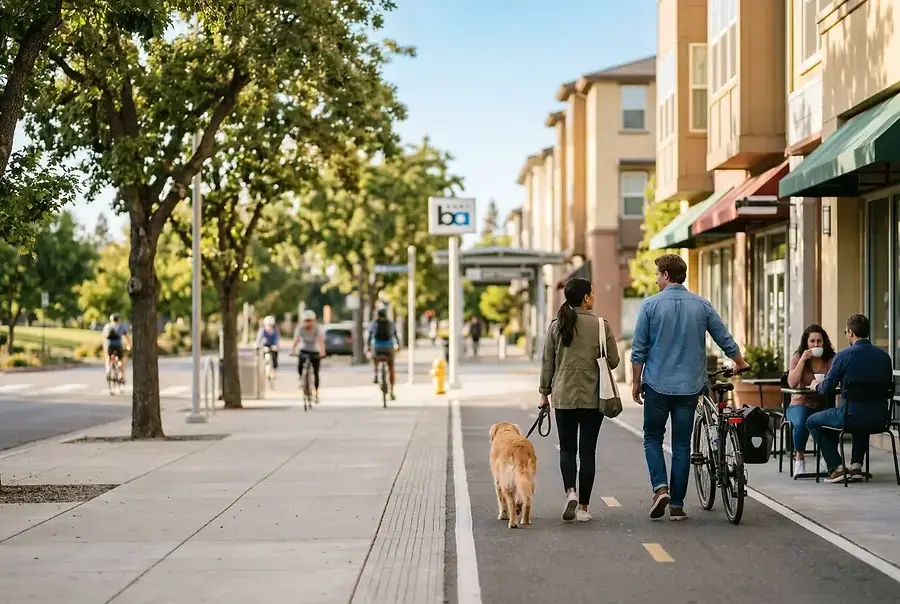
Walkability has become one of the most important factors influencing real estate decisions in the East Bay. A community's walkability score—which measures how easily residents can access essential services on foot—directly correlates with property values and long-term investment potential. In neighborhoods with high walkability scores, homes typically command premium prices because residents enjoy reduced transportation costs and improved quality of life.
Walnut Creek and Lafayette have made significant strides in improving their walkability infrastructure. Areas near downtown districts with pedestrian-friendly streets, wide sidewalks, and mixed-use developments attract buyers willing to pay more for convenience. Properties within a quarter-mile of walkable amenities can appreciate 5-10% faster than those in car-dependent areas.
What Makes a Community Walkable?
Several key elements contribute to a neighborhood's walkability score:
- Proximity to grocery stores, restaurants, and retail shops
- Safe, well-maintained sidewalks and pedestrian crossings
- Parks and recreational facilities within walking distance
- Mixed-income housing options and diverse neighborhoods
- Low crime rates and good street lighting
When evaluating a potential home, take time to walk the neighborhood at different times of day. Notice whether sidewalks are crowded with pedestrians, if businesses are thriving, and if the area feels safe and welcoming. These observations often reveal more than any online metric.
Commute Options: Public Transit, Highway Access, and Alternative Transportation in the East Bay
The East Bay offers diverse commuting options that significantly impact daily life and property values. Whether you prioritize quick highway access to San Francisco or prefer reliable public transit, understanding available commute options is essential for making an informed decision.
Public Transit Networks
BART (Bay Area Rapid Transit) and local bus systems provide convenient alternatives to driving. Walnut Creek's BART station serves as a major transportation hub, making it attractive for commuters working in downtown San Francisco or Oakland. Properties within walking distance of BART stations typically see higher demand and faster appreciation.
Proximity to transit can reduce household transportation costs by $5,000-$10,000 annually, a significant factor for families and professionals planning long-term budgets.
Highway Access and Alternative Transportation
For those preferring car commutes, Interstate 680 and Highway 24 provide direct routes to major employment centers. However, traffic congestion during peak hours remains a consideration. Many East Bay communities now invest in bike lanes, electric vehicle charging stations, and carpool programs to reduce congestion and environmental impact.
Lafayette has expanded its cycling infrastructure, making it increasingly attractive to environmentally conscious residents. Alternative transportation options not only reduce stress but also appeal to younger homebuyers and families seeking sustainable living.
Neighborhood Amenities and Lifestyle Factors That Drive Home Selection
Beyond commute times, neighborhood amenities shape daily life and influence property values. Families prioritize school quality, while young professionals seek vibrant entertainment districts and dining options.
Schools and Educational Opportunities
School district quality remains the top factor for families with children. Both Walnut Creek and Lafayette boast highly-rated public schools, contributing to strong property values in these areas. Homes in top-rated school districts command premium prices and experience more stable appreciation over time.
Recreation and Community Spaces
Access to parks, trails, and recreational facilities enhances lifestyle quality. The East Bay's extensive trail systems, including the Iron Horse Trail and Briones Regional Preserve, attract outdoor enthusiasts. Communities with well-maintained parks and green spaces report higher resident satisfaction and property values.
Dining, Shopping, and Entertainment
Vibrant downtown areas with diverse restaurants, boutique shops, and entertainment venues attract residents and boost local economies. Walnut Creek's downtown district has undergone significant revitalization, creating a destination for shopping, dining, and cultural events. Communities with thriving commercial districts see stronger property appreciation and lower vacancy rates.
"The best neighborhoods balance affordability, walkability, and amenities. Don't sacrifice one for another—find communities that excel in all three areas."
Making Your Move: Choosing the Right Community Based on Your Priorities
Selecting the right East Bay community requires honest assessment of your priorities and lifestyle needs. Create a weighted list of factors that matter most to you and your family.
Assessing Your Priorities
Consider these questions:
- How important is commute time to your daily happiness and work-life balance?
- Do you prioritize walkability and urban amenities or prefer quieter, suburban settings?
- What role do schools, parks, and community events play in your lifestyle?
- How much are you willing to pay for convenience and proximity to services?
- Do you value environmental sustainability and alternative transportation options?
Visiting and Exploring Communities
Before committing to a purchase, spend time in potential neighborhoods. Visit on weekdays and weekends, explore local businesses, and talk with residents. Authentic community experiences reveal what online research cannot.
Attend community events, visit parks during peak hours, and test commute routes during rush hour. This firsthand experience helps you envision daily life in each community and make confident decisions.
Working with Local Experts
Real estate agents familiar with East Bay communities provide invaluable insights into neighborhood trends, school performance, and future development plans. They can identify emerging neighborhoods with strong appreciation potential and help you find homes that match your priorities and budget.
The right community isn't necessarily the most expensive or most walkable—it's the one that aligns with your values, lifestyle, and long-term goals. By carefully evaluating walkability, commute options, and neighborhood amenities, you'll find an East Bay home that enhances your quality of life while protecting your investment.