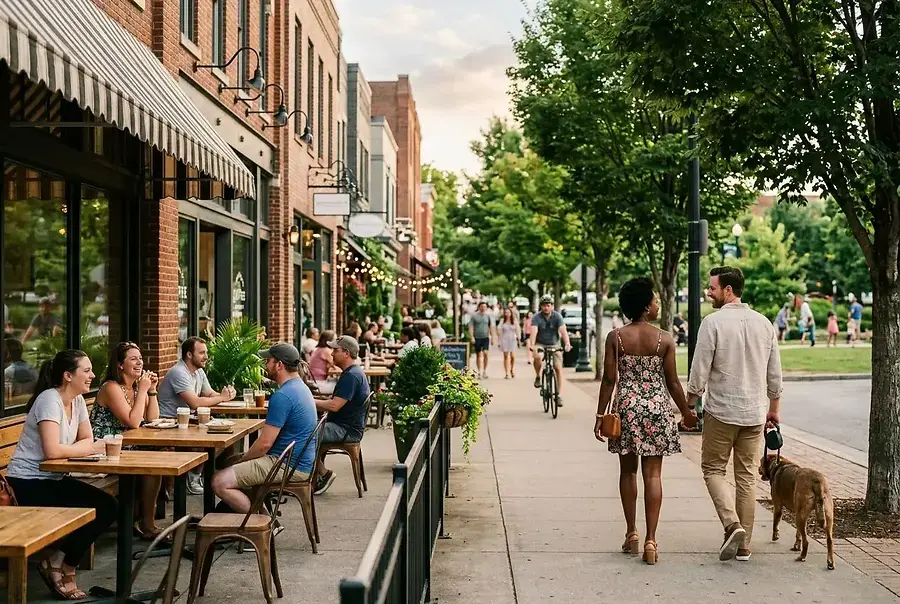
The Growing Importance of Walkability in Residential Decisions
When searching for a new home, modern homebuyers are increasingly prioritizing more than just square footage and price tags. Walkability and lifestyle amenities have become critical factors in residential decision-making, fundamentally changing how families evaluate neighborhoods. The ability to walk to restaurants, shops, parks, and services has transformed from a luxury to an essential consideration for many buyers.
The shift toward walkable communities reflects broader lifestyle changes. Families want neighborhoods where children can safely ride bikes to school, where parents can grab coffee without getting in a car, and where evening strolls are part of the community culture. This emphasis on walkability directly impacts quality of life, property values, and long-term satisfaction with a home purchase.
Greater Nashville has experienced significant growth, with communities like Mount Juliet, Franklin, and Nashville proper each offering distinct walkability profiles. Understanding these differences helps homebuyers make informed decisions aligned with their lifestyle preferences.
Walkability Rankings Across Mount Juliet, Franklin, Nashville, and Surrounding Areas
Nashville's Urban Core
Nashville's downtown and surrounding neighborhoods like The Nations, East Nashville, and Germantown lead the region in walkability scores. These areas feature dense street networks, mixed-use developments, and proximity to entertainment, dining, and cultural attractions. Residents enjoy pedestrian-friendly sidewalks, reduced reliance on vehicles, and vibrant street-level activity.
The urban core offers:
- Extensive public transportation options
- Walkable distances to restaurants, bars, and nightlife
- Cultural institutions and entertainment venues
- Diverse housing options and price points
- Active community events and street festivals
Franklin's Balanced Approach
Franklin presents a middle ground between urban convenience and suburban tranquility. Downtown Franklin has undergone significant revitalization, creating a walkable town center with boutique shops, restaurants, and galleries. The historic district attracts residents seeking charm with accessibility.
Franklin's walkability features include:
- Charming downtown district with pedestrian infrastructure
- Proximity to shopping and dining establishments
- Well-maintained parks and recreational facilities
- Strong sense of community and local events
- Growing network of greenways and walking trails
Mount Juliet's Suburban Character
Mount Juliet offers a more car-dependent lifestyle typical of suburban communities, though recent development has improved walkability in select areas. The community prioritizes family-friendly amenities and spacious residential lots over dense urban walkability. However, newer developments near downtown Mount Juliet are introducing mixed-use spaces and pedestrian pathways.
Mount Juliet's characteristics include:
- Primarily car-dependent neighborhoods
- Excellent schools and family-oriented amenities
- Spacious lots and newer construction options
- Growing downtown district with improved walkability
- Access to outdoor recreation and nature areas
Surrounding Communities
Communities like Brentwood, Hermitage, and Smyrna offer varying degrees of walkability. Brentwood features some walkable pockets near its downtown area, while Hermitage and Smyrna remain largely suburban with car-dependent layouts. Each community appeals to different buyer preferences based on lifestyle priorities.
How Lifestyle Amenities Impact Home Values and Buyer Satisfaction
The Amenity-Value Connection
Properties in highly walkable neighborhoods with robust amenities command premium prices. Research consistently shows that homes within walking distance of parks, restaurants, and services appreciate faster than isolated suburban properties. Buyers recognize that walkability reduces transportation costs and enhances daily quality of life.
Key amenities that drive value include:
- Parks and green spaces for recreation
- Restaurants, cafes, and retail establishments
- Quality schools and educational facilities
- Healthcare facilities and wellness centers
- Entertainment venues and cultural attractions
- Public transportation access
Buyer Satisfaction and Lifestyle Fit
The relationship between walkability and buyer satisfaction extends beyond financial considerations. Residents in walkable communities report higher satisfaction levels, stronger social connections, and better mental health outcomes. The ability to meet neighbors while walking, participate in community events, and access services on foot creates a sense of belonging.
Families with children particularly value walkable neighborhoods where kids can independently access schools, parks, and friends' homes. Young professionals appreciate proximity to restaurants, entertainment, and social venues. Retirees benefit from walkable access to healthcare, shopping, and community activities.
Long-Term Investment Perspective
From an investment standpoint, walkable communities demonstrate resilience and sustained appreciation. As urban planning trends continue emphasizing sustainable, pedestrian-friendly development, properties in walkable neighborhoods become increasingly desirable. This positions buyers in these areas for stronger long-term returns.
Additionally, walkable communities tend to attract younger demographics and maintain stronger rental markets, providing investment flexibility for property owners.
Conclusion: Choosing Your Ideal Greater Nashville Community Based on Walkability and Lifestyle
Selecting a Greater Nashville community requires honest assessment of lifestyle priorities. Ask yourself: How important is walking to daily activities? Do you prefer urban energy or suburban tranquility? What amenities matter most to your family?
Consider these factors when evaluating communities:
- Walkability Score: Research neighborhood walkability ratings and visit during different times
- Amenity Proximity: Identify essential services and entertainment within acceptable distances
- Community Vibe: Spend time in neighborhoods to experience the atmosphere and social dynamics
- Future Development: Research planned improvements and infrastructure projects
- Financial Fit: Balance lifestyle preferences with budget constraints
- Long-term Vision: Consider how your lifestyle needs may evolve
Nashville's urban core excels for those prioritizing walkability and urban amenities. Franklin offers an attractive balance of charm and convenience. Mount Juliet and surrounding communities suit families prioritizing space and schools.
The ideal community isn't determined by rankings alone—it's the neighborhood that aligns with your values, lifestyle, and vision for home.
By carefully evaluating walkability and lifestyle amenities across Greater Nashville's diverse communities, you'll find the neighborhood that truly feels like home. Whether you're drawn to bustling urban streets, charming downtown districts, or spacious suburban neighborhoods, the region offers options for every lifestyle preference.