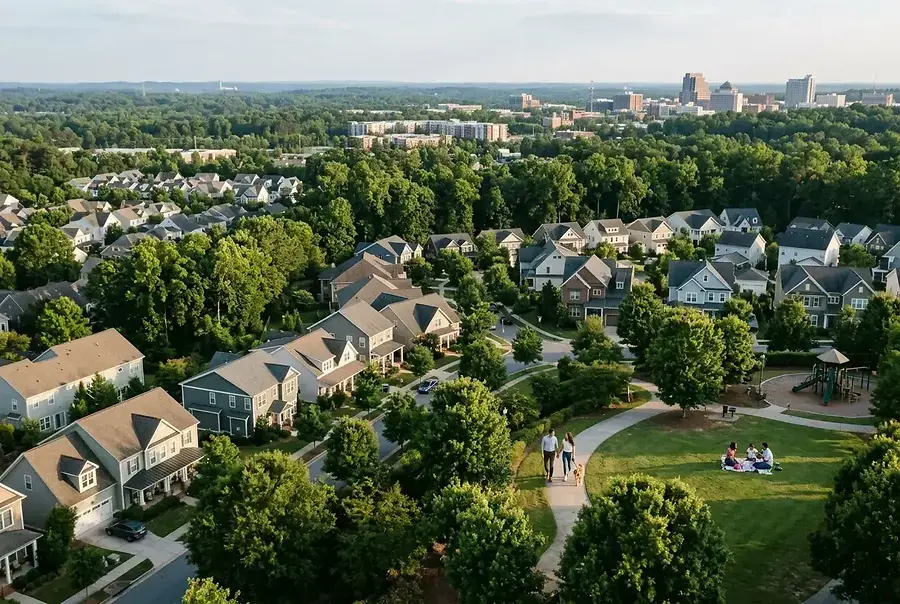
The Search for Affordability in the Triangle
The Research Triangle has long been known as a thriving hub for technology, education, and innovation. However, as more people discover the region's appeal, housing costs have climbed steadily. For young professionals and growing families looking to establish roots in Chapel Hill, Durham, or the surrounding areas, finding an affordable home can feel like searching for a needle in a haystack.
The good news? Affordable neighborhoods still exist within and around the Triangle. While the most desirable areas near universities and downtown districts command premium prices, savvy homebuyers and renters are discovering pockets of value that offer excellent quality of life without breaking the bank. These communities provide convenient access to employment centers, schools, and amenities while maintaining a more reasonable cost of living.
This guide explores some of the best-kept secrets in the Triangle's residential market, helping you navigate the search for your next home.
Hidden Affordable Communities in Hillsborough and Carrboro
Hillsborough: Small-Town Charm with Big Savings
Located just 15 minutes west of Chapel Hill, Hillsborough offers a compelling alternative for those priced out of the university town. This historic community combines small-town character with surprising affordability, making it increasingly popular with remote workers and families seeking space without the premium price tag.
- Historic downtown district: Charming shops, restaurants, and cultural venues create a vibrant community atmosphere
- Larger lots: Properties in Hillsborough typically offer more land than comparable Chapel Hill homes at lower prices
- Growing infrastructure: New developments and improved amenities are enhancing the area's appeal
- Easy commute: Quick access to Chapel Hill, Durham, and Research Triangle Park via I-85
Neighborhoods like Eno Valley and areas near the Eno River offer particularly good value, with homes ranging significantly below Chapel Hill averages. The trade-off? A slightly longer commute for those working in central Chapel Hill, though many find the savings justify the drive.
Carrboro: College Town Affordability
While Carrboro sits adjacent to Chapel Hill, it maintains its own distinct identity and, importantly, more competitive pricing. As a college town in its own right, Carrboro attracts students, young professionals, and families who appreciate its walkable downtown, independent businesses, and progressive community values.
The neighborhoods surrounding Carrboro's downtown core offer better value than comparable Chapel Hill locations. Areas like Northside and the neighborhoods near Carrboro High School provide solid options for families and professionals. Renters particularly benefit from Carrboro's rental market, which remains more accessible than Chapel Hill's.
"Carrboro gives you that college-town vibe and walkability without the premium you'd pay just a few blocks away in Chapel Hill," notes local real estate professionals familiar with the market.
Emerging Neighborhoods Worth Watching
Beyond these established communities, several emerging neighborhoods are attracting attention from budget-conscious buyers:
- White Deer Park area: Offering newer construction at more reasonable prices than central Chapel Hill
- Southern Pines neighborhoods: Slightly further out but providing excellent value and family-friendly amenities
- Residential areas near UNC-Chapel Hill's south campus: More affordable than north campus neighborhoods while maintaining proximity to university resources
Comparing Price Trends Across Chapel Hill, Durham, and Pittsboro
Chapel Hill: Premium Pricing for Prime Location
Chapel Hill remains the most expensive market in the Triangle, driven by its prestigious university, strong job market, and desirable neighborhoods. Homes in established areas like Northside and near downtown command top dollar. However, newer developments on the periphery offer slightly better value while still maintaining Chapel Hill's excellent schools and amenities.
Durham: Revitalization and Opportunity
Durham has experienced remarkable transformation in recent years, with downtown revitalization attracting young professionals and entrepreneurs. While popular neighborhoods like Old West Durham and Trinity Park have seen price appreciation, Durham overall remains more affordable than Chapel Hill. Areas like Walltown, Hayti, and neighborhoods near Duke University offer diverse options at various price points.
The city's growing job market, cultural scene, and improving schools make Durham an increasingly attractive option for those seeking better value without sacrificing quality of life.
Pittsboro: The Affordable Alternative
Approximately 20 minutes south of Chapel Hill, Pittsboro represents the most affordable option for those willing to accept a longer commute. This charming small town offers:
- Significantly lower home prices than Chapel Hill or Durham
- Rural character with growing amenities and services
- Strong sense of community and local character
- Access to outdoor recreation and natural areas
Pittsboro appeals particularly to remote workers, retirees, and families prioritizing affordability over proximity to downtown Chapel Hill. The trade-off is a 20-30 minute commute to central Chapel Hill or Durham, which may or may not be feasible depending on your work situation.
Price Comparison Summary
Generally speaking, you can expect to pay approximately 20-30% less for comparable properties in Durham versus Chapel Hill, and 30-50% less in Pittsboro. Hillsborough and Carrboro fall somewhere in between, offering moderate savings while maintaining convenient access to Chapel Hill's amenities and employment centers.
Making Your Move to the Triangle
Finding an affordable neighborhood in the Triangle requires balancing several factors: commute time, school quality, community character, and personal priorities. There's no one-size-fits-all answer, but several strategies can help:
- Expand your search radius: Consider communities 15-20 minutes from your workplace rather than limiting yourself to immediate proximity
- Look beyond established neighborhoods: Emerging areas often offer better value as they develop
- Consider your work situation: Remote workers have more flexibility to choose based purely on lifestyle and affordability
- Evaluate long-term trends: Areas experiencing revitalization may offer better appreciation potential
- Visit neighborhoods at different times: Get a feel for community character and activity levels
The Triangle's residential market continues to evolve, with new developments and community improvements happening regularly. By exploring neighborhoods beyond the most obvious choices, you'll discover communities that offer excellent value, strong quality of life, and genuine community character.
Whether you're a young professional launching your career, a growing family seeking space and schools, or anyone in between, affordable neighborhoods exist throughout the Triangle. The key is knowing where to look and being willing to explore communities that might not be on everyone's radar. Your ideal home—at a price you can afford—may be waiting in one of these hidden gems.