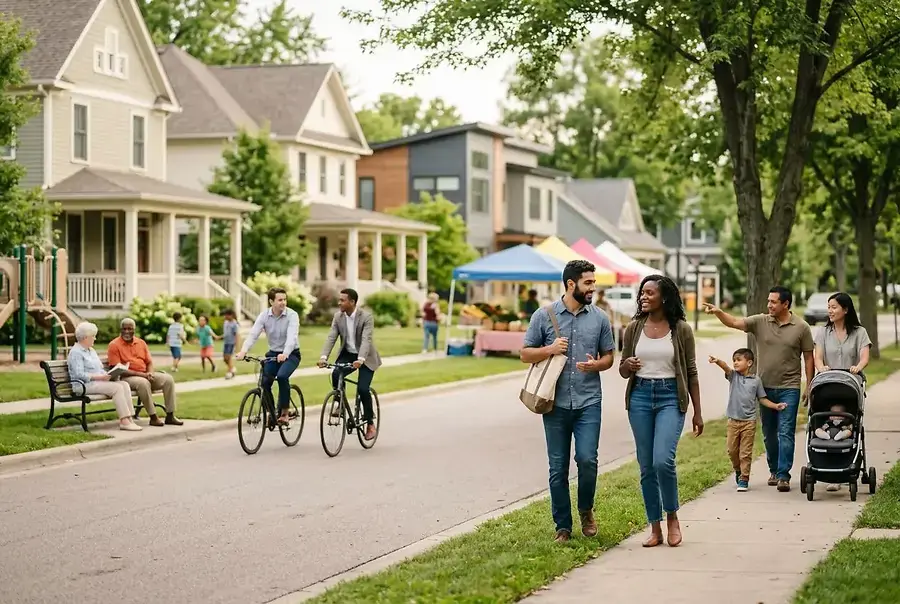
Introduction: Finding Your Perfect Community Fit
Moving to a new neighborhood is more than just finding a house—it's about discovering a community that aligns with your lifestyle, values, and long-term goals. Southeast Michigan offers diverse neighborhoods, each with its own unique character and appeal. Whether you're a young professional seeking urban energy, a growing family prioritizing excellent schools, or someone looking for peaceful suburban living, the right community is waiting for you.
The key to making a successful move is understanding what truly matters to you and how different neighborhoods stack up against those priorities. This guide will help you navigate the decision-making process with confidence.
Evaluating Neighborhoods: Key Factors Beyond Price
Schools and Education
For families with children, school quality often tops the priority list. Research district ratings, test scores, and school programs that match your child's needs. Visit schools in person, talk to current parents, and explore extracurricular opportunities. Some neighborhoods are known for exceptional public schools, while others offer excellent private school options.
Commute and Transportation
Your daily commute significantly impacts quality of life. Consider:
- Distance to your workplace or primary destinations
- Public transportation availability and reliability
- Highway access and traffic patterns during peak hours
- Walkability for daily errands and activities
A shorter commute can mean more time with family and less stress, making this factor worth careful consideration.
Amenities and Lifestyle
Different neighborhoods offer different amenities. Think about what enhances your daily life:
- Parks and Recreation: Access to green spaces, trails, and sports facilities
- Dining and Shopping: Proximity to restaurants, grocery stores, and retail options
- Cultural Activities: Museums, theaters, galleries, and entertainment venues
- Community Events: Farmers markets, festivals, and neighborhood gatherings
Property Values and Market Trends
Understanding the real estate market helps you make a sound investment. Research:
- Recent sale prices and market appreciation trends
- Average days on market for homes in the area
- Property tax rates and assessment practices
- Future development plans that might affect property values
A neighborhood with stable or appreciating values offers better long-term financial security.
Safety and Community Character
Safety is paramount. Review crime statistics, but also visit neighborhoods at different times of day. Talk to residents about their sense of community, neighborhood watch programs, and police presence. The best neighborhoods often have strong community bonds and active residents who care about their surroundings.
Community Profiles: What Different Lifestyle Preferences Reveal
The Urban Professional
If you thrive on city energy, walkable streets, and cultural diversity, look for neighborhoods with:
- High walkability scores and public transportation
- Trendy restaurants, bars, and entertainment venues
- Proximity to employment centers and business districts
- Younger demographic and active nightlife
These neighborhoods often have higher density living and smaller properties but offer unmatched convenience and lifestyle energy.
The Growing Family
Families prioritize safety, schools, and space. Ideal neighborhoods feature:
- Top-rated school districts with strong academic records
- Family-friendly parks and recreational facilities
- Larger lots and homes with yards
- Lower crime rates and established community networks
Pro tip: Connect with parent groups and school communities before moving to understand the family culture.
The Retiree or Empty Nester
Those seeking a relaxed lifestyle may prefer:
- Quieter, established neighborhoods with mature trees
- Proximity to healthcare facilities and senior services
- Golf courses, clubs, and recreational communities
- Lower maintenance properties or active adult communities
These neighborhoods often emphasize community activities and social connections.
The Nature Enthusiast
If outdoor living is your priority, seek neighborhoods with:
- Access to parks, trails, and natural preserves
- Larger properties with mature landscaping
- Water access or proximity to lakes and rivers
- Environmental conservation initiatives
Michigan's natural beauty is one of its greatest assets—choose a community that lets you enjoy it daily.
Conclusion: Making Your Michigan Move with Confidence
Finding your perfect Michigan neighborhood requires honest self-reflection about your priorities and lifestyle goals. Take time to visit potential communities multiple times, talk to residents, and imagine yourself living there daily. What excites you about a neighborhood? What concerns you?
Remember that the "best" neighborhood isn't about prestige or price—it's about the right fit for you. Southeast Michigan's diverse communities mean there's a perfect match waiting. By evaluating neighborhoods systematically and staying true to your priorities, you'll make a move you'll love for years to come.
Start your neighborhood exploration today, and take the first step toward finding your Michigan home.