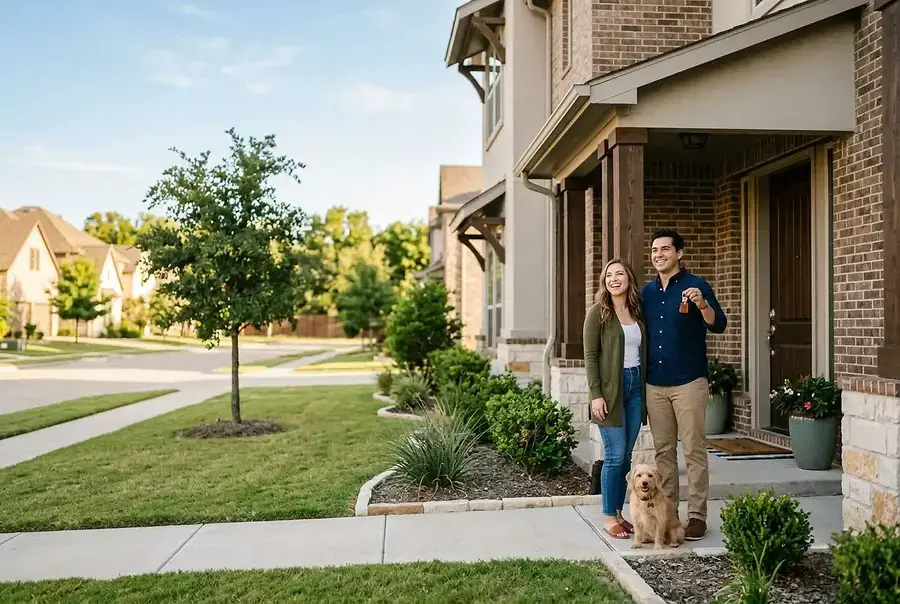
Why DFW is Perfect for First-Time Buyers
The Dallas-Fort Worth metroplex has become one of the most attractive markets for first-time homebuyers in the nation. With a booming economy, diverse neighborhoods, and competitive housing options across Dallas, Plano, Fort Worth, and Frisco, DFW offers something for every budget and lifestyle.
The region's rapid growth means you'll find new construction homes alongside established communities, giving you flexibility in your search. Whether you're drawn to urban living, suburban comfort, or family-friendly neighborhoods, DFW's expansive market provides abundant opportunities. Additionally, the cost of living remains reasonable compared to other major metropolitan areas, making homeownership more achievable for first-time buyers.
Understanding Pre-Approval and Financing Options
Getting Pre-Approved
Before you start house hunting, obtaining a mortgage pre-approval is essential. This process involves submitting financial documents to a lender who will evaluate your creditworthiness and determine how much you can borrow. Pre-approval gives you a clear budget and shows sellers you're a serious buyer.
Key documents you'll need:
- Recent pay stubs and W-2 forms
- Bank and investment account statements
- Tax returns from the past two years
- Identification and proof of employment
- A list of debts and liabilities
Exploring Financing Options
First-time homebuyers in DFW have several financing options to consider:
- Conventional Loans: Traditional mortgages requiring a down payment of 3-20%. These typically offer competitive rates for buyers with good credit.
- FHA Loans: Government-backed loans allowing down payments as low as 3.5%, ideal for buyers with limited savings or lower credit scores.
- VA Loans: Available to military veterans and active-duty service members with favorable terms and no down payment requirement.
- USDA Loans: Perfect for rural properties in the DFW area, offering low-interest rates and minimal down payments.
Work with your lender to understand interest rates, loan terms, and monthly payment estimates. Don't forget to factor in property taxes, homeowners insurance, and HOA fees when calculating your total monthly costs.
Navigating the Inspection and Appraisal Process
The Home Inspection
Once you've made an offer and it's been accepted, scheduling a professional home inspection is crucial. A qualified inspector will examine the property's structural integrity, electrical systems, plumbing, HVAC, roof, and other critical components. This typically costs between $300-$500 and takes 2-3 hours.
Pro tip: Attend the inspection if possible. The inspector can explain findings and answer questions about the home's condition and maintenance needs.
If significant issues are discovered, you have options:
- Request repairs from the seller
- Ask for a credit toward closing costs
- Renegotiate the purchase price
- Walk away from the deal if issues are severe
The Appraisal Process
Your lender will order an appraisal to ensure the property's value supports the loan amount. An independent appraiser will evaluate comparable homes in the area, the property's condition, and local market trends. The appraisal typically costs $400-$600 and takes 5-7 days.
If the appraisal comes in lower than your purchase price, you'll need to either negotiate with the seller, increase your down payment, or reconsider the purchase. This is why getting pre-approved helps—you'll understand your maximum budget before making offers.
Closing Your Deal: Final Steps to Homeownership
Title Search and Insurance
Before closing, a title company will conduct a thorough search to ensure the seller has clear ownership and the property is free from liens or claims. Title insurance protects you against future disputes over ownership. This is a standard part of the closing process and typically costs $500-$1,000.
Final Walkthrough
A few days before closing, you'll do a final walkthrough to confirm:
- All agreed-upon repairs have been completed
- Appliances and fixtures that were included are still present
- The property is in the expected condition
- No new damage has occurred
Closing Day
At closing, you'll sign all final documents, including the mortgage note, deed of trust, and closing disclosure. You'll also pay closing costs, which typically range from 2-5% of the purchase price. These costs include lender fees, title insurance, appraisal, inspection, and other services.
Bring to closing:
- Government-issued photo ID
- Proof of homeowners insurance
- Cashier's check or wire transfer for down payment and closing costs
- Any documents requested by your lender
Once all documents are signed and funds are transferred, you'll receive the keys to your new home. Congratulations—you're officially a homeowner!
After Closing
Don't forget to update your address with the post office, utilities, insurance companies, and employers. Schedule any necessary maintenance and begin building equity in your new DFW home.
Buying your first home is one of life's biggest milestones. By understanding each step of the process and working with qualified professionals, you'll navigate the DFW market with confidence and achieve your homeownership goals.