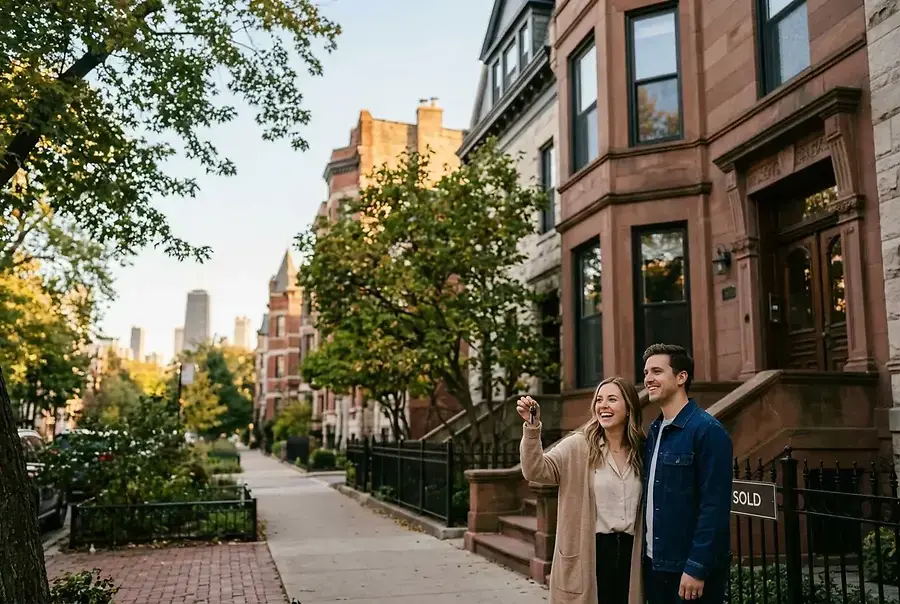
Understanding Chicago's Diverse Neighborhoods: From Lakefront to West Side Communities
Chicago's neighborhoods are as diverse as the people who call them home. From the upscale lakefront communities of the North Shore to the vibrant cultural hubs on the West Side, each area offers unique characteristics that appeal to different lifestyles and budgets.
The North Shore neighborhoods like Lincoln Park and Lakeview offer proximity to Lake Michigan, trendy restaurants, and excellent public transportation. These areas tend to command premium prices but provide strong long-term appreciation potential. Meanwhile, West Side communities such as Pilsen and Logan Square have experienced significant revitalization, attracting young professionals with affordable prices and thriving arts scenes.
South Side neighborhoods like Hyde Park and Bronzeville offer historic charm, cultural institutions, and emerging investment opportunities. Each neighborhood tells a different story, and finding the right fit requires understanding what matters most to you as a homebuyer.
Key Factors for First-Time Buyers: Schools, Commute Times, and Appreciation Potential
School Quality and Educational Resources
If you're planning to raise a family, school quality should be a primary consideration. Chicago Public Schools vary significantly by neighborhood, with some areas boasting highly-rated elementary and secondary schools. Research school ratings, graduation rates, and extracurricular programs before committing to a neighborhood. Many first-time buyers prioritize areas with strong schools even if they don't have children yet, as this significantly impacts resale value.
Commute Times and Transportation Access
Your daily commute can dramatically affect your quality of life. Consider proximity to your workplace and access to public transportation via the CTA. Neighborhoods along major transit lines like the Red, Blue, and Brown lines offer convenient commuting options. If you drive, evaluate parking availability and highway access. A shorter commute can offset a higher purchase price by saving time and transportation costs.
Neighborhood Appreciation and Investment Potential
First-time buyers should think of their home as both a place to live and a financial investment. Research neighborhood trends, recent sales data, and development projects. Areas undergoing revitalization or with planned infrastructure improvements often see stronger appreciation. However, balance investment potential with your personal comfort—the best investment is a home you'll actually enjoy living in.
Financing Your First Chicago Home: Pre-Approval, Down Payments, and Local Incentives
Getting Pre-Approved for Your Mortgage
Before house hunting, obtain a mortgage pre-approval from a lender. This process involves verifying your income, credit score, and financial history. Pre-approval shows sellers you're a serious buyer and gives you a clear budget to work within. Most lenders require:
- Proof of income (recent tax returns and pay stubs)
- Bank statements and asset documentation
- Employment verification
- Credit report review
Down Payment Options
While conventional wisdom suggests saving 20% for a down payment, first-time buyers have more flexible options. FHA loans allow down payments as low as 3.5%, while conventional loans may require 5-10%. Lower down payments mean higher monthly payments and mortgage insurance, but they make homeownership more accessible. Calculate what works best for your financial situation.
Local Chicago Incentives and Programs
Chicago and Illinois offer several programs to assist first-time homebuyers:
- Illinois Housing Development Authority (IHDA) programs provide down payment assistance and favorable loan terms
- Chicago's Affordable Housing Opportunities Program offers below-market properties in select neighborhoods
- Property tax exemptions for first-time buyers in certain areas
- Grant programs that don't require repayment
Research these programs early—some have income limits and specific neighborhood requirements. Working with a knowledgeable real estate agent familiar with local incentives can help you maximize available benefits.
Making Your Offer and Closing: What to Expect in Chicago's Residential Market
Crafting a Competitive Offer
Chicago's real estate market can be competitive, especially in desirable neighborhoods. Your offer should include:
- Purchase price and proposed terms
- Earnest money deposit (typically 1-2% of purchase price)
- Contingencies for inspection and appraisal
- Proposed closing date
Work with your real estate agent to research comparable sales and market conditions. In competitive markets, you may need to offer above asking price or waive certain contingencies. However, never compromise on a professional home inspection—this protects your investment.
The Home Inspection and Appraisal Process
Once your offer is accepted, schedule a professional home inspection within the contingency period. The inspector will evaluate the property's structural integrity, systems, and potential issues. Chicago's older homes may have unique concerns like outdated electrical systems or foundation issues. Use inspection findings to negotiate repairs or credits.
Your lender will also order an appraisal to ensure the property value supports the loan amount. If the appraisal comes in low, you may need to renegotiate or increase your down payment.
Closing and Final Steps
Closing typically occurs 30-45 days after your offer is accepted. During this period, your lender finalizes the mortgage, title insurance is arranged, and final inspections occur. At closing, you'll:
- Review and sign closing documents
- Provide proof of homeowners insurance
- Transfer funds for down payment and closing costs
- Receive the keys to your new Chicago home
Budget for closing costs, typically 2-5% of the purchase price, which include lender fees, title insurance, property taxes, and attorney fees. Illinois requires an attorney at closing, so factor this into your budget.
Your Chicago Homeownership Journey Begins
Buying your first home in Chicago is an exciting milestone. By understanding the city's diverse neighborhoods, evaluating key factors like schools and commute times, exploring financing options, and preparing for the offer and closing process, you'll be well-equipped to make an informed decision. Take your time, do your research, and don't hesitate to ask questions. Your perfect Chicago neighborhood is waiting.