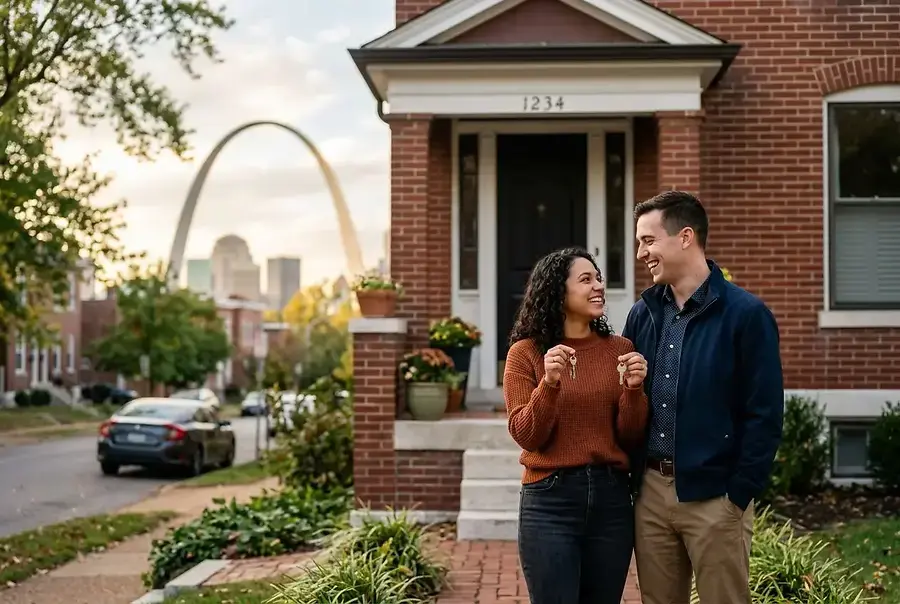
Understanding the Saint Louis Real Estate Market Landscape
Saint Louis offers a unique real estate market that presents excellent opportunities for first-time home buyers. The city's diverse neighborhoods, affordable pricing compared to national averages, and strong community character make it an attractive destination for those looking to purchase their first home.
Market Overview and Trends
The Saint Louis housing market has shown steady growth and stability in recent years. Median home prices remain significantly lower than many major metropolitan areas, making homeownership more accessible for first-time buyers. The market features a healthy inventory of properties across various price ranges and neighborhoods, giving you plenty of options to explore.
Key market characteristics include:
- Competitive pricing that favors buyers in many neighborhoods
- A mix of historic homes and modern developments
- Strong rental markets in certain areas, offering investment potential
- Seasonal fluctuations that can impact availability and pricing
Neighborhood Selection and Research
Saint Louis is known for its distinct neighborhoods, each with its own character and advantages. Before making any financial commitments, spend time researching neighborhoods that align with your lifestyle and budget. Consider factors such as school quality, commute times, walkability, and community amenities.
Popular neighborhoods for first-time buyers include areas with good value appreciation potential, established infrastructure, and active community engagement. Visit neighborhoods at different times of day to get a genuine feel for the area.
Pre-Purchase Preparation: Getting Your Finances and Credit Ready
Assessing Your Financial Situation
Before you begin house hunting, take a comprehensive look at your financial health. Determine how much you can realistically afford to spend on a home by evaluating your income, existing debts, and savings. A general rule of thumb is that your monthly housing payment should not exceed 28% of your gross monthly income.
Create a detailed budget that includes:
- Down payment savings (typically 3-20% of purchase price)
- Closing costs (usually 2-5% of the purchase price)
- Emergency fund for unexpected repairs
- Property taxes and homeowners insurance estimates
Building and Improving Your Credit Score
Your credit score plays a crucial role in determining your mortgage eligibility and interest rates. Aim for a credit score of at least 620, though scores above 740 will qualify you for better rates. Review your credit report for errors and dispute any inaccuracies you find.
Steps to improve your credit:
- Pay all bills on time, every time
- Reduce outstanding credit card balances
- Avoid opening new credit accounts before applying for a mortgage
- Keep old accounts open to maintain credit history length
Getting Pre-Approved for a Mortgage
Pre-approval is a critical step that demonstrates to sellers you are a serious buyer. Contact multiple lenders to compare rates and terms. During pre-approval, lenders will verify your income, employment, and creditworthiness to determine how much they're willing to lend you.
Pre-approval provides several benefits:
- Clear understanding of your budget
- Competitive advantage when making offers
- Faster closing timeline
- Confidence in your purchasing power
Working with a Local Real Estate Agent and Making Competitive Offers
Selecting the Right Real Estate Agent
A knowledgeable local real estate agent is invaluable for first-time buyers. Choose an agent who understands the Saint Louis market, has experience working with first-time buyers, and demonstrates genuine interest in your needs. Interview multiple agents and ask for references from past clients.
Your agent should provide:
- Detailed market analysis and comparable sales data
- Guidance on fair pricing in different neighborhoods
- Insights into local market conditions and trends
- Support throughout the entire buying process
House Hunting and Property Evaluation
Work with your agent to identify properties that meet your criteria and budget. Don't rush the house hunting process—take time to view multiple properties and consider both the home itself and the surrounding area. Pay attention to the property's condition, layout, and potential for future appreciation.
During property viewings, evaluate:
- Structural integrity and visible damage
- Age and condition of major systems (roof, HVAC, plumbing)
- Natural light and overall layout functionality
- Outdoor space and landscaping potential
Making a Competitive Offer
Your offer should be competitive yet realistic based on market conditions and comparable sales. Your agent will help you determine an appropriate offer price. Include contingencies for inspection, appraisal, and financing to protect yourself.
Key elements of a strong offer:
- Competitive price supported by comparable market data
- Reasonable contingencies that protect your interests
- Clear timeline for inspections and closing
- Pre-approval letter demonstrating financial capability
Closing the Deal: Final Inspections, Appraisals, and Moving Forward
Home Inspection and Appraisal
Once your offer is accepted, schedule a professional home inspection within the contingency period. The inspector will identify any structural issues, safety concerns, or needed repairs. Use this information to negotiate repairs or credits with the seller if significant problems are discovered.
Simultaneously, your lender will order an appraisal to ensure the property value supports the loan amount. If the appraisal comes in lower than your offer price, you may need to renegotiate or increase your down payment.
Final Walkthrough and Title Review
Conduct a final walkthrough of the property before closing to verify that agreed-upon repairs have been completed and that the property condition matches your expectations. Review the title report to ensure there are no liens or claims against the property.
During this phase, your real estate attorney or title company will:
- Verify clear title to the property
- Ensure all liens and encumbrances are resolved
- Review closing documents for accuracy
- Coordinate the closing timeline
Closing Day and Beyond
On closing day, you'll sign all final documents and receive the keys to your new home. Review the Closing Disclosure document at least three days before closing to verify all loan terms and costs. Bring a valid ID and be prepared to sign numerous documents.
After closing, remember to:
- Update your address with relevant institutions
- Schedule utility transfers and setup
- Obtain homeowners insurance documentation
- Plan for any necessary repairs or renovations
- Register your property and update tax records
Congratulations on taking this important step toward homeownership! With proper preparation, local market knowledge, and professional guidance, you can successfully navigate the Saint Louis real estate market and find your perfect first home.