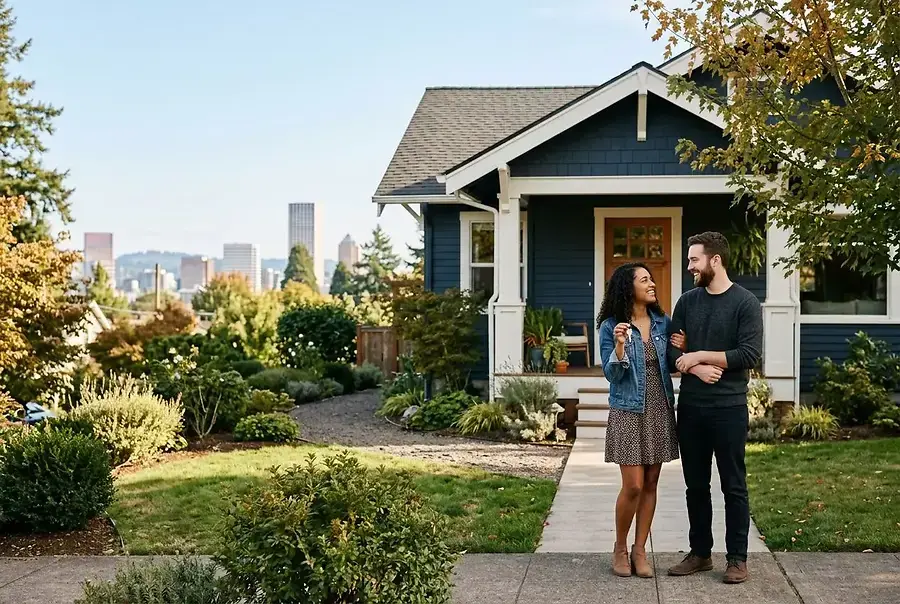
Understanding the Portland Metro Real Estate Market
The Portland Metro area has become an increasingly attractive destination for first-time home buyers seeking a vibrant community with access to urban amenities and natural beauty. Whether you're considering Beaverton, Gresham, Hillsboro, or other surrounding communities, understanding the current market dynamics is essential to making an informed decision.
The market in Portland Metro remains competitive, with inventory levels fluctuating throughout the year. As a first-time buyer, it's crucial to recognize that this isn't a buyer's market where you hold all the cards. Instead, you'll need to be strategic, prepared, and ready to act quickly when the right property appears.
Key Neighborhoods and What to Expect in Your Price Range
Beaverton: Suburban Comfort and Accessibility
Beaverton offers a blend of suburban living with convenient access to Portland. First-time buyers can find a range of properties, from starter homes to larger family residences. The neighborhood is known for its excellent schools, parks, and proximity to major employers.
Gresham: Emerging Opportunities
Gresham has emerged as an attractive option for budget-conscious first-time buyers. With ongoing development and revitalization efforts, this community offers good value while maintaining proximity to downtown Portland. Expect to find more affordable entry-level properties here compared to closer-in neighborhoods.
Hillsboro: Tech Hub Appeal
Hillsboro's proximity to major technology companies makes it an appealing choice for professionals in the tech industry. The neighborhood features modern amenities, good schools, and a growing community atmosphere. Prices reflect the area's popularity and strong job market.
Understanding Your Price Range
Your budget will significantly influence which neighborhoods are accessible to you. Consider these factors when evaluating properties:
- Location proximity to Portland: Properties closer to downtown command premium prices
- School district ratings: Highly-rated schools increase property values
- Commute times: Longer commutes may offer more affordable options
- Property condition: Newer homes cost more than fixer-uppers
- Lot size: Larger lots in suburban areas offer better value
Financial Preparation: Down Payments, Mortgages, and Pre-Approval Essentials
Building Your Down Payment
One of the biggest hurdles for first-time buyers is accumulating a down payment. While conventional wisdom suggests 20%, many first-time buyer programs allow for lower percentages:
- FHA loans: Require as little as 3.5% down
- VA loans: Available to eligible veterans with zero down
- USDA loans: Designed for rural properties with minimal down payment
- Conventional loans: Typically require 5-20% down
Lower down payments mean higher monthly payments and mortgage insurance costs, so calculate what works best for your financial situation.
Getting Pre-Approved
Pre-approval is non-negotiable in today's market. This document shows sellers that you're a serious, qualified buyer. The pre-approval process involves:
- Submitting financial documentation (pay stubs, tax returns, bank statements)
- Credit check and review
- Debt-to-income ratio analysis
- Verification of employment
Pre-approval typically lasts 60-90 days and gives you a clear understanding of your buying power.
Understanding Mortgage Options
Work with a mortgage lender to explore different loan products. Fixed-rate mortgages offer stability, while adjustable-rate mortgages may offer lower initial rates. Consider your long-term plans and risk tolerance when choosing between 15-year and 30-year terms.
Making Your Offer: Competitive Bidding Strategies in a Dynamic Market
Timing and Market Awareness
Understanding market timing can give you an advantage. Spring and early summer typically see more inventory but also more competition. Fall and winter may offer less competition, though fewer properties are available. Monitor market trends in your target neighborhoods to identify patterns.
Crafting a Competitive Offer
In a competitive market, your offer needs to stand out. Consider these strategies:
- Price competitively: Research comparable sales to offer a fair market price
- Minimize contingencies: Fewer contingencies make your offer more attractive
- Increase earnest money: A larger deposit shows serious intent
- Flexible closing timeline: Accommodating the seller's schedule can be advantageous
- Personal letter: A heartfelt note explaining why you love the home can resonate with sellers
Working with a Real Estate Agent
A knowledgeable local agent is invaluable in the Portland Metro market. They provide market insights, help you identify properties before they hit the open market, and negotiate on your behalf. Choose an agent with specific experience in your target neighborhoods.
Inspection and Appraisal
Even in a competitive market, never skip the home inspection. This protects your investment and identifies potential issues. Similarly, the appraisal ensures the property's value supports your loan amount. Budget for these essential services.
Taking Your First Step Toward Homeownership
Becoming a homeowner in the Portland Metro area is an achievable goal with proper preparation and strategy. Start by getting pre-approved, researching neighborhoods that fit your budget and lifestyle, and connecting with a trusted real estate professional.
Remember: The perfect home may not exist, but the right home for your situation does. Stay flexible, remain patient, and don't let market pressure push you into a decision you're not comfortable with. Your first home is an important investment in your future.
The Portland Metro market rewards prepared, informed buyers who understand their financial position and market dynamics. Take these steps seriously, and you'll be well-positioned to make a successful offer when the right property appears.