Understanding First-Time Buyer Programs and Financing Options Available in the Omaha Region
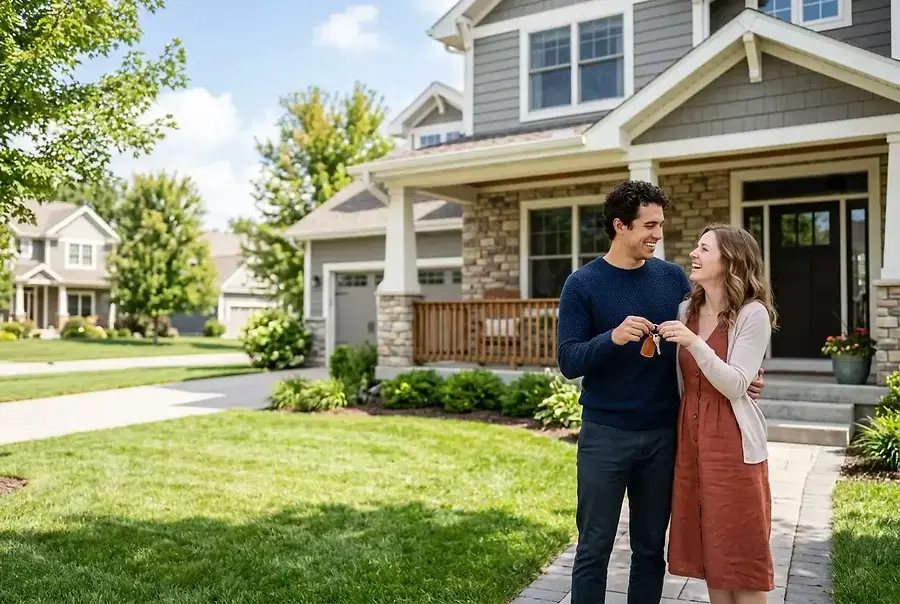
Purchasing your first home is one of the most significant financial decisions you'll make. The Omaha Metro offers numerous financing programs specifically designed to help first-time buyers achieve homeownership. Understanding these options is crucial before you begin your search.
Federal and State Loan Programs
The FHA (Federal Housing Administration) loan remains one of the most popular choices for first-time buyers in Nebraska. These loans require as little as 3.5% down payment and are more forgiving of credit scores between 580-620. The VA loan is an excellent option if you're a military veteran or active-duty service member, offering zero down payment options and competitive interest rates.
Nebraska also participates in the USDA Rural Development loan program, which can benefit buyers in Blair and surrounding rural communities. This program offers 100% financing with no down payment required for eligible properties in designated rural areas.
Local Omaha Metro Resources
Several local organizations provide down payment assistance and homebuyer education programs. The Omaha Home Loan Program offers competitive rates and flexible terms tailored to the local market. Many lenders in the Bellevue and Omaha areas provide first-time buyer grants that don't require repayment, effectively reducing your out-of-pocket costs.
Before committing to any loan, obtain pre-approval from multiple lenders. This demonstrates to sellers that you're a serious buyer and gives you a clear understanding of your budget. Compare interest rates, closing costs, and loan terms carefully—even small differences can save you thousands over the life of your mortgage.
Evaluating Neighborhoods: Schools, Commute Times, and Community Amenities Across Metro Communities
The Omaha Metro encompasses diverse neighborhoods, each with unique characteristics. Choosing the right location is as important as finding the right home.
School Districts and Education
If you have children or plan to, research school ratings and performance metrics. The Omaha Public Schools, Bellevue Public Schools, and Blair Community Schools each have different strengths and specializations. Many families prioritize neighborhoods with highly-rated elementary schools, even if their children aren't school-age yet, as this impacts resale value.
Commute and Accessibility
Consider your daily commute carefully. Neighborhoods near I-80 offer quick access to downtown Omaha and surrounding employment centers. However, proximity to highways means increased traffic noise. Evaluate commute times during peak hours, not just off-peak times. Neighborhoods in Bellevue provide excellent access to Offutt Air Force Base and eastern Omaha employment centers.
Community Amenities and Lifestyle
Look beyond the home itself. Evaluate nearby amenities such as:
- Parks, trails, and recreational facilities
- Shopping centers and grocery stores
- Healthcare facilities and hospitals
- Restaurants, entertainment, and cultural venues
- Public transportation options
Visit neighborhoods at different times of day and on weekends. Walk the streets, talk to residents, and get a genuine feel for the community. The perfect home in the wrong neighborhood can lead to regret, while a modest home in an ideal neighborhood often proves to be an excellent investment.
Preparing a Competitive Offer in Today's Omaha Metro Real Estate Market
Once you've found your ideal home, it's time to make an offer. The Omaha Metro market is competitive, and your offer strategy can make the difference between success and disappointment.
Understanding Market Conditions
Research recent sales of comparable properties in your target neighborhood. Your real estate agent should provide a Comparative Market Analysis (CMA) showing what similar homes have sold for recently. This data-driven approach helps you make a competitive yet reasonable offer.
Crafting Your Offer
Your offer should include:
- Purchase price based on market research and appraisal expectations
- Earnest money deposit (typically 1-3% of purchase price) showing serious intent
- Contingencies for inspection, appraisal, and financing
- Closing timeline that works for both parties
- Personal touches that may appeal to sellers, such as a brief letter explaining why you love the home
Negotiation Strategies
Be prepared to negotiate. Sellers may counter your offer, and you may need to adjust your price, contingencies, or closing timeline. Stay flexible but firm on your maximum budget. Remember that the lowest price isn't always the best deal—consider the overall value, condition of the home, and neighborhood factors.
In competitive situations, consider waiving non-essential contingencies or offering a larger earnest money deposit to strengthen your offer. However, never waive the inspection contingency—this protects you from purchasing a home with hidden defects.
Closing Your Purchase: Final Steps and What to Expect as a New Homeowner
Congratulations! Your offer has been accepted. Now comes the closing process, which typically takes 30-45 days in the Omaha Metro.
The Inspection and Appraisal
Schedule a professional home inspection within the contingency period. The inspector will evaluate the home's structure, systems, and components. Review the inspection report carefully and request repairs or credits for significant issues. Simultaneously, the lender will order an appraisal to ensure the home's value supports the loan amount.
Final Walkthrough and Title Review
Before closing, conduct a final walkthrough to ensure agreed-upon repairs have been completed and the home is in the expected condition. Your title company will conduct a thorough title search to ensure the seller has clear ownership and can legally transfer the property to you.
Closing Day
At closing, you'll sign numerous documents, including the promissory note and mortgage deed. Review the Closing Disclosure at least three days before closing to verify all loan terms, interest rates, and closing costs. Bring a government-issued ID and be prepared to wire or bring a cashier's check for your down payment and closing costs.
After Closing: Your New Homeowner Responsibilities
Once you receive the keys, your responsibilities begin. Schedule utility transfers, update your address with the post office, and establish homeowner's insurance. Budget for maintenance and repairs—experts recommend setting aside 1-2% of your home's value annually for upkeep. Join neighborhood associations to connect with your community and stay informed about local issues.
Homeownership is a rewarding journey. By following these steps and working with experienced professionals in the Omaha Metro, you'll be well-prepared to make informed decisions and successfully purchase your first home. Welcome to the neighborhood!