Introduction: Why Rural Communities in North Carolina and Virginia Are Attracting New Homebuyers
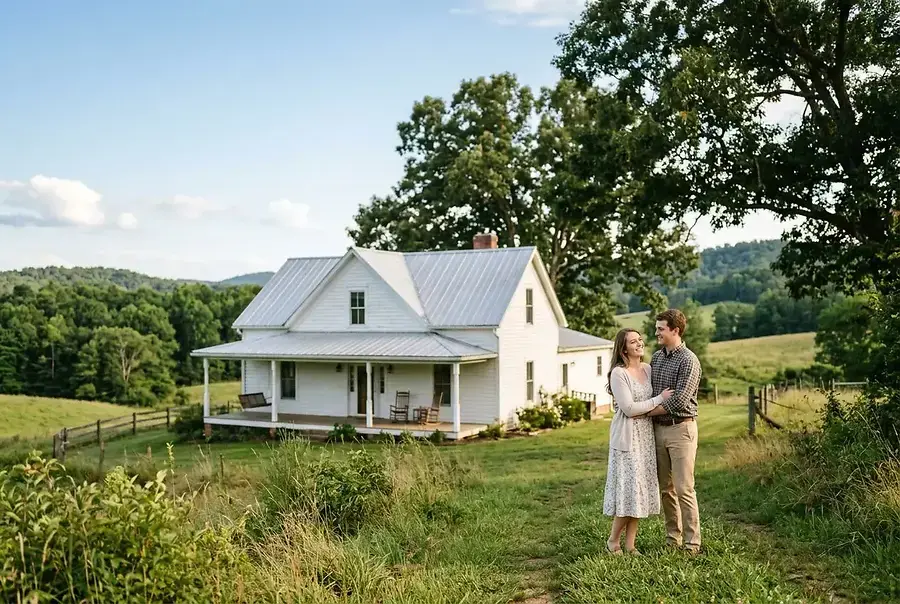
Rural North Carolina and Virginia have become increasingly attractive destinations for first-time homebuyers seeking a different lifestyle. Towns like Oxford, Granville, and South Boston offer something that bustling urban centers cannot: affordable properties, tight-knit communities, and wide-open spaces. The appeal is undeniable—lower home prices, slower pace of life, and strong community values make these regions ideal for those ready to plant roots.
The shift toward rural homeownership reflects a broader change in how Americans view home and work. With remote work becoming more common, many families are discovering that they can maintain their careers while enjoying the benefits of countryside living. Whether you're drawn to the rolling hills of Virginia or the charming small towns of North Carolina, understanding the home buying process in these markets is your first step toward success.
Understanding the Home Buying Process in Smaller Markets: Key Steps and Timeline
Getting Pre-Approved for a Mortgage
Before you start house hunting, obtain a mortgage pre-approval from a lender. This process involves submitting financial documents and receiving a letter stating how much you can borrow. In rural markets, this step is just as important as in urban areas, though the process may move at a different pace.
Finding the Right Property
Rural real estate markets often have fewer listings than urban areas, so patience and flexibility are essential. Work with a local real estate agent who understands the nuances of your specific region. They can provide insights into property values, community development, and hidden gems that may not be widely advertised.
Making an Offer and Negotiation
Once you've found a property, your agent will help you submit a competitive offer. In rural markets, there's often more room for negotiation than in competitive urban markets. Be prepared to discuss inspection contingencies, closing timelines, and any repairs needed.
Home Inspection and Appraisal
A professional home inspection is crucial, especially in rural areas where properties may be older or have unique features like wells or septic systems. The appraisal ensures the property's value supports your loan amount. Both steps typically take one to two weeks.
Closing the Deal
The final step involves reviewing closing documents, conducting a final walkthrough, and signing paperwork at a title company or attorney's office. In rural North Carolina and Virginia, closings often take place locally, making the process more personal and community-oriented. The entire home buying process typically takes 30 to 45 days from offer to closing.
Financing Your Home Purchase: Loans, Grants, and Programs Available in Rural Areas
USDA Rural Development Loans
One of the most valuable resources for rural homebuyers is the USDA Rural Development Loan Program. This federal program offers 100% financing with no down payment required for eligible properties in designated rural areas. Both North Carolina and Virginia have numerous communities that qualify. These loans feature competitive interest rates and lower mortgage insurance costs compared to conventional loans.
FHA Loans
Federal Housing Administration (FHA) loans are another excellent option for first-time buyers. They require as little as 3.5% down and are more flexible with credit scores than conventional loans. Rural properties often qualify, making FHA loans a practical choice for many buyers in this region.
VA Loans (For Veterans)
If you're a military veteran or active-duty service member, VA loans offer tremendous benefits including zero down payment, no mortgage insurance, and competitive rates. Many rural communities in North Carolina and Virginia have strong veteran populations and welcome VA loan borrowers.
State and Local Grant Programs
Both North Carolina and Virginia offer down payment assistance and grant programs for first-time homebuyers. These programs vary by county and municipality, so research what's available in your target area. Some programs provide grants up to $15,000 or more to help with down payments and closing costs.
Community Development Financial Institutions (CDFIs)
CDFIs are specialized lenders focused on underserved communities. They often have flexible lending criteria and may offer better terms for rural properties. These institutions understand local markets and can provide personalized service.
Employer and Non-Profit Programs
Check with your employer, professional associations, or local non-profits about homebuying assistance programs. Many organizations offer down payment help, financial counseling, or favorable loan terms for their members or employees.
Key Financing Tips for Rural Buyers
- Get pre-approved early to understand your budget and show sellers you're serious
- Compare multiple lenders to find the best rates and terms for your situation
- Ask about rural-specific programs that may offer better terms than conventional loans
- Budget for additional costs like well inspections, septic system evaluations, and rural property insurance
- Consider long-term costs including property taxes, maintenance, and utilities in your financial planning
Conclusion: Taking Your First Step Toward Homeownership in a Community That Fits Your Lifestyle
Buying your first home in rural North Carolina or Virginia is an exciting opportunity to join a community that values connection, space, and quality of life. The process may differ slightly from urban home buying, but the fundamentals remain the same: get pre-approved, find the right property, make a competitive offer, and secure financing that works for your situation.
The good news is that rural markets often favor first-time buyers. Lower prices, less competition, and specialized financing programs make homeownership more accessible than ever. Take advantage of USDA loans, state grants, and local resources designed to help buyers like you succeed.
Start by connecting with a local real estate agent, exploring financing options, and visiting communities that appeal to you. Your dream home in a thriving rural community is within reach. With the right preparation and guidance, you'll soon be enjoying the rewards of homeownership in a place you truly love.