Why Flood Insurance Matters in Coastal Florida Communities
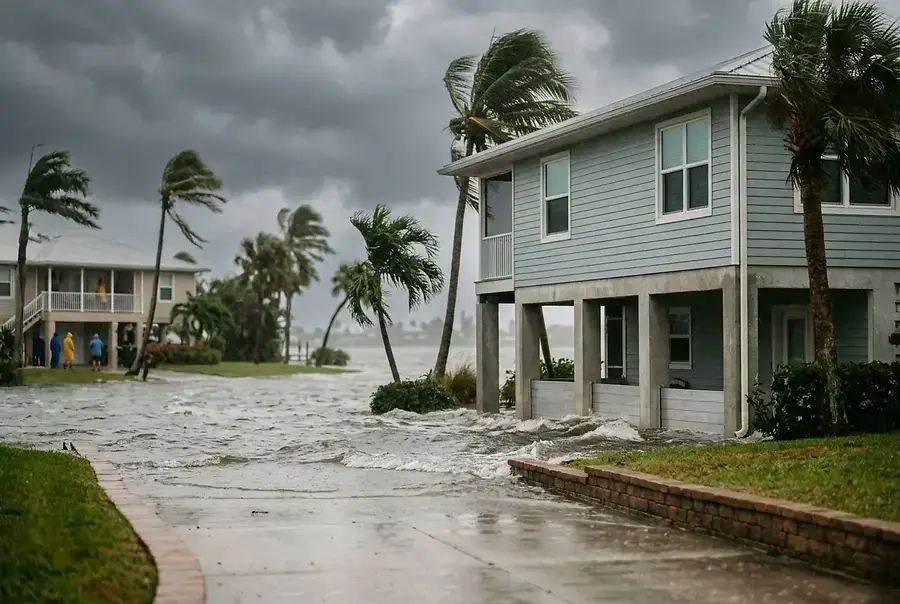
Living in Punta Gorda and Bradenton offers beautiful waterfront living, but it comes with significant flood risks that homeowners cannot ignore. These coastal communities face exposure to hurricanes, tropical storms, and heavy rainfall events that can cause devastating water damage. Standard homeowners insurance policies typically do not cover flood damage, leaving property owners vulnerable to catastrophic financial losses.
Flood insurance is not just a precaution—it's a financial necessity for coastal residents. A single flooding event can result in tens of thousands of dollars in damage, potentially wiping out years of savings and equity in your home. By securing proper flood coverage, you protect your most valuable asset and ensure your family's financial security.
The Reality of Flooding in Southwest Florida
Punta Gorda and Bradenton are particularly susceptible to flooding due to their low elevation and proximity to the Gulf of Mexico. Storm surge during hurricanes, king tides, and even heavy afternoon thunderstorms can overwhelm drainage systems and inundate properties. The risk is not a matter of if flooding will occur, but when.
Understanding Your Flood Risk and Coverage Options
Before purchasing flood insurance, homeowners must understand their specific flood risk level. The Federal Emergency Management Agency (FEMA) provides flood maps that categorize properties into different risk zones. Properties in high-risk areas, designated as Special Flood Hazard Areas (SFHAs), face the greatest threat and often require flood insurance as a condition of mortgage financing.
Determining Your Flood Zone
You can determine your property's flood zone by visiting FEMA's flood map website or contacting your local county assessor's office. Properties in Punta Gorda and Bradenton may fall into various categories:
- High-Risk Zones (A and V): These areas have a 1% annual chance of flooding and require flood insurance for federally-backed mortgages
- Moderate-Risk Zones (B and X): These areas have a 0.2% to 1% annual chance of flooding
- Low-Risk Zones (C and X): These areas have less than 0.2% annual chance of flooding, though coverage is still recommended
Types of Flood Insurance Coverage
Two main types of flood insurance are available to homeowners: the National Flood Insurance Program (NFIP) and private flood insurance policies. The NFIP is backed by the federal government and offers standardized coverage limits and rates. Private insurers may offer more flexible coverage options and potentially lower premiums for properties with lower risk profiles.
Building Coverage protects the structure of your home, including the foundation, walls, roof, and built-in appliances. Contents Coverage protects your personal belongings such as furniture, electronics, and clothing. Most homeowners benefit from purchasing both types of coverage to ensure comprehensive protection.
How to Navigate the Flood Insurance Process and Claims
Obtaining Flood Insurance
The process of obtaining flood insurance is straightforward. You can purchase NFIP policies through licensed insurance agents or directly through the NFIP website. Private flood insurance can be obtained through various insurance companies. When shopping for coverage, compare quotes from multiple providers to ensure you're getting the best rate and coverage for your needs.
Be prepared to provide information about your property, including its age, construction type, elevation, and distance from water sources. This information helps insurers calculate your premium accurately. Properties with flood mitigation measures—such as elevated utilities, flood vents, or improved drainage—may qualify for discounted rates.
Understanding Policy Details
Before purchasing a policy, carefully review the coverage limits, deductibles, and exclusions. Most flood insurance policies have waiting periods of 30 days before coverage becomes effective, so don't delay in obtaining protection. Understand what is and isn't covered—for example, flood insurance typically covers water damage from external flooding but may not cover damage from internal plumbing failures or sewer backups.
Filing a Flood Insurance Claim
If flooding damages your property, document all damage with photographs and videos before beginning cleanup. Contact your insurance agent immediately to report the claim. Provide detailed information about the damage, including the date and cause of the flooding. Keep receipts for any emergency repairs or temporary measures taken to prevent further damage.
Work with your insurance adjuster throughout the claims process. Be thorough in documenting losses and provide supporting documentation such as repair estimates and proof of ownership for damaged items. Most claims are processed within 30 days, though complex cases may take longer.
Protecting Your Property Value and Peace of Mind
Mitigation Strategies Beyond Insurance
While flood insurance is essential, it should be part of a comprehensive flood protection strategy. Implement mitigation measures that reduce your property's vulnerability to flooding:
- Elevate utilities and HVAC systems above the base flood elevation
- Install flood vents or wet floodproofing in foundation walls
- Improve drainage around your property with proper grading and gutters
- Install backwater valves to prevent sewer backups
- Maintain landscaping to prevent water accumulation near your home
- Consider elevating your home if it's in a high-risk flood zone
Long-Term Property Protection
Protecting your property value requires ongoing attention to flood risks. Stay informed about changes to flood maps and insurance regulations. Review your coverage annually to ensure it remains adequate as your property value increases. Consider working with a local insurance agent who understands the specific flood risks in Punta Gorda and Bradenton.
Flood insurance provides more than financial protection—it offers peace of mind knowing that your family's home and belongings are safeguarded against one of nature's most destructive forces.
Taking Action Today
Don't wait for a flood warning to secure protection. Contact a licensed insurance agent today to assess your flood risk and obtain appropriate coverage. Whether you're in a high-risk flood zone or a moderate-risk area, flood insurance is an investment in your family's financial security and your home's long-term value. In coastal communities like Punta Gorda and Bradenton, flood insurance isn't optional—it's essential.