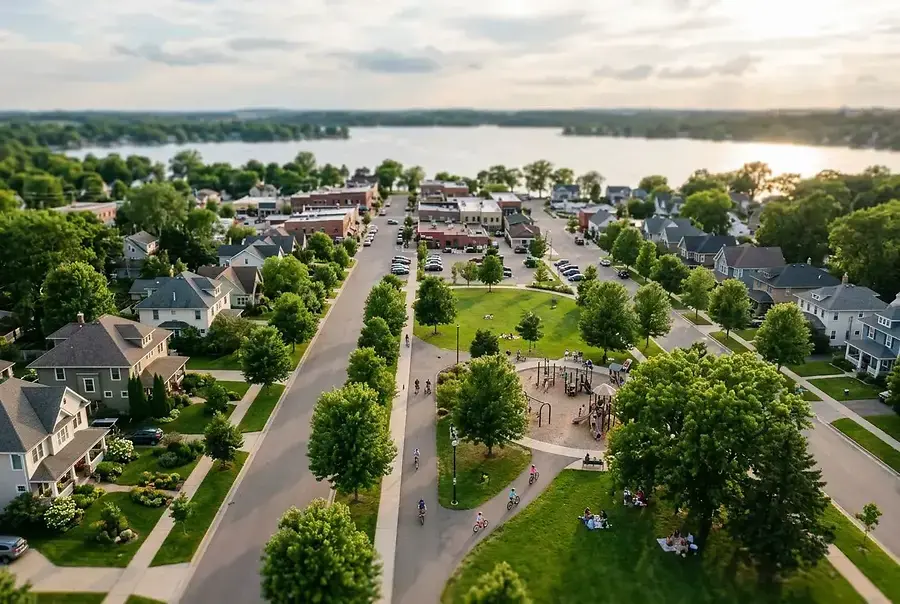
Why Neighborhood Selection Matters More Than House Selection
When most people begin their home search, they focus primarily on the house itself—the number of bedrooms, the kitchen layout, or the backyard space. However, experienced real estate professionals understand a fundamental truth: your neighborhood shapes your daily life far more than your house does. You can renovate a kitchen or add a deck, but you cannot change your neighborhood's character, school quality, or community culture.
The neighborhood you choose determines your commute length, your children's educational opportunities, your access to parks and recreation, and the social connections you'll build. It influences property values, safety, and long-term investment potential. Before falling in love with a specific house, it's essential to fall in love with the neighborhood first.
Forest Lake's Diverse Neighborhoods: Character, Demographics, and School Districts
Understanding Forest Lake's Community Landscape
Forest Lake offers a remarkable variety of neighborhoods, each with distinct personalities and advantages. From established, tree-lined residential areas to newer master-planned communities, there's something for nearly every lifestyle and budget.
Key Neighborhoods to Consider
- Downtown Forest Lake: Perfect for those seeking walkability and urban convenience. This area features charming older homes, local shops, restaurants, and a vibrant community atmosphere. Ideal for young professionals and empty nesters who value proximity to amenities.
- Lakeside Communities: These neighborhoods offer waterfront or water-view properties with access to recreational activities. Expect higher price points but unmatched lifestyle benefits and strong community engagement.
- Family-Oriented Subdivisions: Newer developments designed with families in mind, featuring parks, playgrounds, and excellent school access. These communities often have active homeowner associations and organized activities.
- Established Residential Areas: Mature neighborhoods with larger lots, established trees, and a quieter atmosphere. These areas appeal to those seeking peace and privacy without sacrificing community connection.
School Districts and Educational Opportunities
For families with children, school district quality is paramount. Forest Lake's neighborhoods are served by several highly-regarded school systems. Research each district's test scores, special programs, and extracurricular offerings. Some neighborhoods feed into schools with advanced STEM programs, while others excel in arts education or athletics. Visit schools in person and speak with current parents to understand the educational environment beyond statistics.
Demographics and Community Character
Each neighborhood attracts different demographics. Some areas skew younger with families and children, while others appeal to retirees and empty nesters. Some neighborhoods are culturally diverse with international communities, while others have long-established family histories. Understanding the demographic makeup helps ensure you'll feel at home and build meaningful connections with your neighbors.
Evaluating Lifestyle Factors: Commute Times, Amenities, and Community Vibe
Commute Considerations
Your daily commute significantly impacts quality of life. Calculate realistic commute times during peak hours, not just off-peak times. Consider:
- Distance to your workplace or primary employment hub
- Public transportation availability and reliability
- Highway access and traffic patterns
- Flexibility for remote work options
A neighborhood that seems perfect might lose its appeal if you're spending two hours daily commuting. Conversely, a slightly longer commute might be worthwhile if the neighborhood offers exceptional schools or lifestyle benefits.
Amenities and Recreation
Evaluate what amenities matter most to your family. Forest Lake neighborhoods vary significantly in their offerings:
- Parks and Trails: Access to green spaces, walking trails, and recreational facilities
- Shopping and Dining: Proximity to grocery stores, restaurants, and retail options
- Fitness and Wellness: Gyms, yoga studios, swimming pools, and sports facilities
- Entertainment: Movie theaters, cultural venues, and community events
- Healthcare: Nearby clinics, hospitals, and medical specialists
Make a list of amenities that enhance your lifestyle, then visit neighborhoods during different times of day to assess actual availability and accessibility.
Community Vibe and Social Connection
The intangible "feel" of a neighborhood matters tremendously. Some communities are highly social with frequent events, active homeowner associations, and neighborhood gatherings. Others prioritize privacy and quiet. Neither is inherently better—it depends on your preferences.
Visit neighborhoods multiple times: Walk the streets on weekends and weekdays. Stop at local coffee shops and parks. Talk to residents. Attend neighborhood events or homeowner association meetings if possible. Does the community feel welcoming? Are people engaged? Do you see families playing outside, neighbors chatting, or a vibrant street life?
Safety and Property Values
Research crime statistics and safety records for neighborhoods you're considering. While no neighborhood is crime-free, understanding local safety helps you make informed decisions. Additionally, examine property value trends. Are homes appreciating or declining? This indicates neighborhood health and desirability.
Making Your Neighborhood Decision with Confidence
Create a Neighborhood Evaluation Checklist
Before making your final decision, create a personalized checklist weighing factors important to your family:
- School district quality and fit
- Commute time and transportation options
- Available amenities and recreation
- Community character and social opportunities
- Safety and property value trends
- Budget and housing costs
- Future development plans
Rate each neighborhood on these factors, giving higher weight to what matters most to you.
Trust Your Instincts
After gathering data and visiting neighborhoods, trust your gut feeling. The right neighborhood should feel like home. You should envision your daily life there—morning walks, weekend activities, and long-term growth. If a neighborhood checks all the boxes but doesn't feel right, keep looking. Conversely, if a neighborhood resonates with you despite minor drawbacks, it might be worth deeper consideration.
Think Long-Term
Consider not just your current needs but your future plans. Will this neighborhood work for you in five, ten, or twenty years? If you're planning to start a family, ensure the neighborhood supports that goal. If you're nearing retirement, consider walkability and healthcare access. Choosing a neighborhood aligned with your long-term vision prevents costly moves later.
Your neighborhood choice is one of the most important decisions you'll make as a homeowner. By thoroughly evaluating Forest Lake's diverse communities through the lens of your lifestyle, budget, and goals, you'll find not just a house, but a true home where you can build a fulfilling life. Take your time, do your research, and choose with confidence.