What to Expect During a Professional Home Inspection
A professional home inspection is one of the most critical steps in the home-buying process. When you schedule an inspection for your potential Greensburg home, you're investing in peace of mind and protecting your financial future. Understanding what happens during this process helps you prepare and ask the right questions.
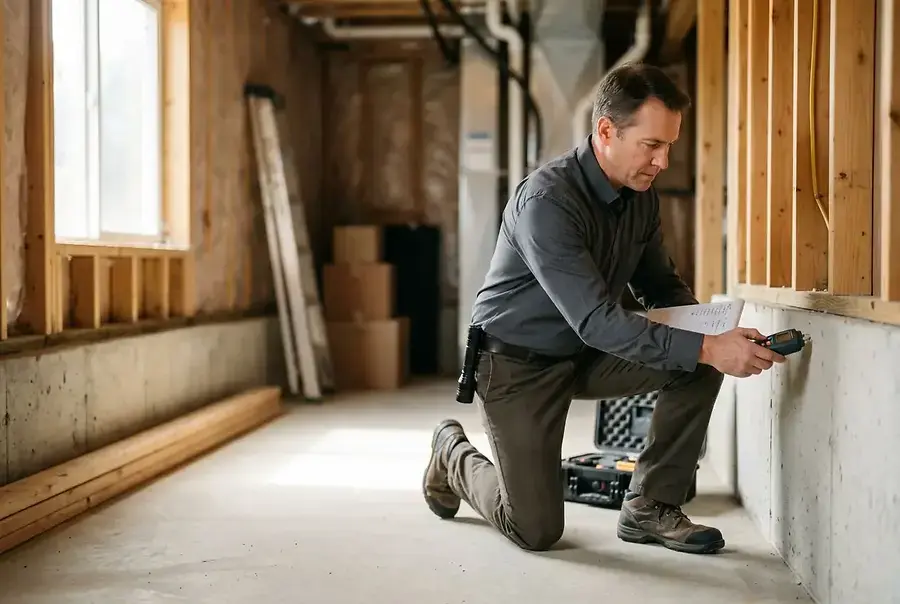
During a typical inspection, a certified home inspector will spend two to four hours thoroughly examining your property. They'll evaluate the structural integrity, electrical systems, plumbing, HVAC systems, roofing, and interior components. The inspector will use specialized tools and equipment to identify issues that aren't visible to the naked eye.
The Inspection Process Breakdown
Here's what you can expect during your home inspection:
- Exterior Examination: The inspector checks the roof, gutters, siding, foundation, and landscaping for signs of damage or deterioration.
- Interior Walkthrough: Every room is evaluated, including walls, ceilings, floors, windows, and doors.
- Systems Testing: Electrical panels, water heaters, air conditioning units, and heating systems are tested for proper function.
- Plumbing Assessment: Water pressure, drainage, and pipe conditions are examined throughout the home.
- Safety Features: Smoke detectors, carbon monoxide detectors, and fire extinguishers are verified.
As a buyer, you're typically allowed to accompany the inspector. This is an excellent opportunity to ask questions and learn about your potential home's condition firsthand.
Common Issues Found in Greensburg Homes and How to Address Them
Greensburg homes, like properties in many regions, have specific vulnerabilities based on climate, age, and construction methods. Being aware of these common issues helps you evaluate inspection reports more effectively.
Moisture and Water Damage
One of the most prevalent issues in Greensburg homes is moisture infiltration and water damage. This can result from poor drainage, foundation cracks, or aging roofing materials. Water damage can lead to mold growth, structural deterioration, and costly repairs if left unaddressed.
How to address it: Request a moisture assessment and ask the inspector about the extent of any damage. Minor issues may be resolved with improved grading or gutter repairs, while significant problems might require professional remediation.
Aging Roofing Systems
Many Greensburg homes feature roofs that are approaching or have exceeded their expected lifespan. A roof typically lasts 20-25 years, and replacement is one of the most expensive home repairs.
How to address it: If the inspection reveals an aging roof, request quotes for replacement or repair. You can negotiate with the seller to either replace the roof before closing or provide a credit toward the cost.
Electrical System Concerns
Older Greensburg homes may have outdated electrical systems that don't meet current safety standards. Aluminum wiring, insufficient outlets, and overloaded circuits are common concerns.
How to address it: Have a licensed electrician review any flagged issues. Upgrading electrical systems is essential for safety and can prevent fire hazards.
HVAC System Age
Heating and cooling systems typically last 10-15 years. If your potential home's HVAC system is nearing the end of its lifespan, budget for replacement in the near future.
How to address it: Request maintenance records and ask about the system's age. Factor replacement costs into your offer negotiations.
Using Inspection Reports to Negotiate Better Offers
The inspection report is a powerful negotiation tool. Rather than viewing issues as deal-breakers, use them strategically to improve your offer terms.
Understanding Your Leverage
Once you receive the inspection report, you have several options:
- Request repairs: Ask the seller to fix identified issues before closing.
- Negotiate credits: Request a credit toward closing costs to handle repairs yourself.
- Renegotiate price: Use significant issues to justify a lower purchase price.
- Walk away: If major problems exist, you may choose to terminate the purchase agreement.
Prioritizing Issues for Negotiation
Not all inspection findings carry equal weight. Focus your negotiation efforts on major structural issues, safety concerns, and expensive system replacements. Minor cosmetic issues are typically the buyer's responsibility.
Create a prioritized list of concerns and determine which issues are deal-breakers versus those you can address after purchase. This strategic approach strengthens your negotiating position.
Working with Your Real Estate Agent
Your real estate agent can provide valuable guidance on negotiation strategies specific to the Greensburg market. They understand local property values and can advise whether your requests are reasonable based on comparable sales and market conditions.
Pro Tip: Always obtain written estimates for major repairs before negotiating. Sellers are more likely to accept requests backed by professional quotes.
Conclusion: Making Informed Decisions with Inspection Knowledge
A home inspection is an investment in your future. By understanding what to expect, recognizing common Greensburg home issues, and using inspection reports strategically, you empower yourself to make informed purchasing decisions.
Remember that no home is perfect. The goal of an inspection isn't to find a flawless property but to identify issues so you can make decisions based on complete information. Whether you're a first-time buyer or an experienced investor, thorough home inspections protect your interests and ensure you're making a sound financial decision.
Take your time reviewing the inspection report, ask questions, and don't hesitate to seek professional advice. Your dream Greensburg home awaits, and with proper inspection knowledge, you'll be well-equipped to navigate the buying process with confidence.