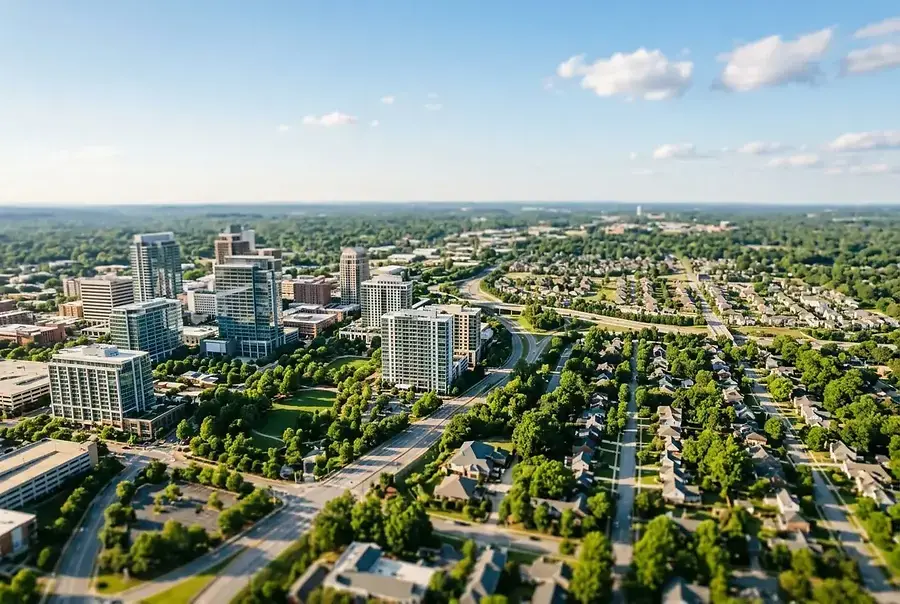
The Importance of Location in Greenville Real Estate
When it comes to real estate investment, the adage "location, location, location" has never been more relevant. In Greenville, the neighborhood you choose can significantly impact your property's long-term value and your overall investment returns. Understanding which areas are experiencing growth and appreciation is essential for anyone looking to make a smart real estate decision.
Greenville has experienced remarkable growth over the past several years, transforming from a traditional manufacturing hub into a vibrant, modern city. This evolution has created diverse opportunities across different neighborhoods, each with its own unique characteristics and growth trajectories. Whether you're a first-time homebuyer or an experienced investor, identifying neighborhoods with strong appreciation potential can mean the difference between a modest return and substantial wealth building.
Analyzing Historical Appreciation Patterns Across Greenville Neighborhoods
Downtown and Core Urban Areas
The downtown Greenville corridor has emerged as one of the city's most dynamic neighborhoods. With revitalized streetscapes, new restaurants, entertainment venues, and mixed-use developments, downtown properties have consistently outpaced citywide appreciation rates. The walkability factor and proximity to cultural amenities have attracted young professionals and families alike, driving demand and property values upward.
Key characteristics of downtown appreciation:
- Steady double-digit annual appreciation in recent years
- High demand for both residential and commercial properties
- Continuous infrastructure improvements and public investments
- Growing job market in nearby office districts
Emerging Neighborhoods on the Rise
Beyond downtown, several neighborhoods are showing impressive growth patterns. Areas like Eastside, Southernside, and Westend have become increasingly attractive to investors and homebuyers seeking more affordable entry points with strong appreciation potential. These neighborhoods offer a blend of historic charm, newer renovations, and community-focused development initiatives.
Historical data shows that these emerging areas typically experience appreciation rates that rival or exceed more established neighborhoods, particularly as infrastructure improvements and local business development accelerate. Early investors in these areas have seen their properties appreciate significantly, positioning them well for future gains.
Suburban Growth Corridors
Greenville's suburban areas continue to expand, with neighborhoods along major transportation corridors experiencing consistent appreciation. These areas appeal to families seeking larger properties, excellent schools, and a more spacious lifestyle while maintaining reasonable commute times to downtown employment centers. The combination of new construction, quality schools, and planned community developments has made these areas attractive for long-term investment.
Key Factors Driving Growth in High-Appreciation Areas
Infrastructure and Transportation
One of the most significant drivers of neighborhood appreciation is infrastructure development. Areas with improved road networks, public transportation options, and planned infrastructure projects tend to experience stronger property value growth. Neighborhoods positioned along major commuter corridors or with planned transit improvements often see appreciation accelerate as these projects near completion.
Employment Centers and Economic Development
Proximity to growing employment centers is a powerful predictor of neighborhood appreciation. Greenville's diversifying economy has created multiple job hubs beyond downtown, and neighborhoods near these centers experience increased demand. Tech companies, healthcare facilities, and corporate headquarters have relocated to or expanded in Greenville, creating employment opportunities and driving residential demand in surrounding neighborhoods.
School Quality and Family Appeal
Families prioritize school quality when choosing neighborhoods, making areas with highly-rated schools particularly attractive. Neighborhoods served by top-performing school districts consistently show stronger appreciation rates. This factor creates sustained demand from families willing to pay premium prices for access to quality education.
Community Development and Amenities
Neighborhoods investing in parks, recreational facilities, retail centers, and community gathering spaces attract residents and support property value growth. Walkability, access to dining and entertainment, and community events have become increasingly important to homebuyers and renters, making neighborhoods with these amenities more desirable and valuable.
Population Demographics and Migration Trends
Greenville continues to attract new residents from across the country, drawn by the city's quality of life, economic opportunities, and relatively affordable cost of living compared to other major metros. Neighborhoods that appeal to in-migrating populations—particularly young professionals and growing families—experience stronger appreciation. Understanding demographic trends can help identify neighborhoods positioned for future growth.
New Construction and Renovation Activity
Areas experiencing active new construction or significant renovation projects often see property values rise. New development signals investor confidence and typically brings improved infrastructure, updated utilities, and enhanced neighborhood aesthetics. Neighborhoods with visible construction activity and development pipelines often outperform stagnant areas.
Conclusion: Making Data-Driven Decisions for Your Greenville Home Investment
Identifying high-appreciation neighborhoods requires analyzing multiple factors rather than relying on intuition alone. Successful real estate investors combine historical appreciation data with forward-looking indicators to identify neighborhoods positioned for future growth.
When evaluating Greenville neighborhoods for investment, consider:
- Historical appreciation rates over the past 5-10 years
- Proximity to employment centers and economic development projects
- Quality of schools and family-oriented amenities
- Infrastructure improvements and planned development
- Population growth trends and demographic shifts
- Community investment and revitalization initiatives
Greenville's real estate market offers opportunities across multiple neighborhoods, from established areas with proven track records to emerging neighborhoods with strong growth potential. By understanding the factors driving appreciation and analyzing neighborhood-specific data, you can make informed decisions that align with your investment goals and timeline.
Whether you're seeking immediate returns or long-term wealth building, Greenville's diverse neighborhoods provide options for every investor. The key is conducting thorough research, understanding local market dynamics, and positioning yourself in areas where multiple growth factors align. With the right neighborhood selection, your Greenville real estate investment can provide both a wonderful place to call home and a solid financial asset for years to come.