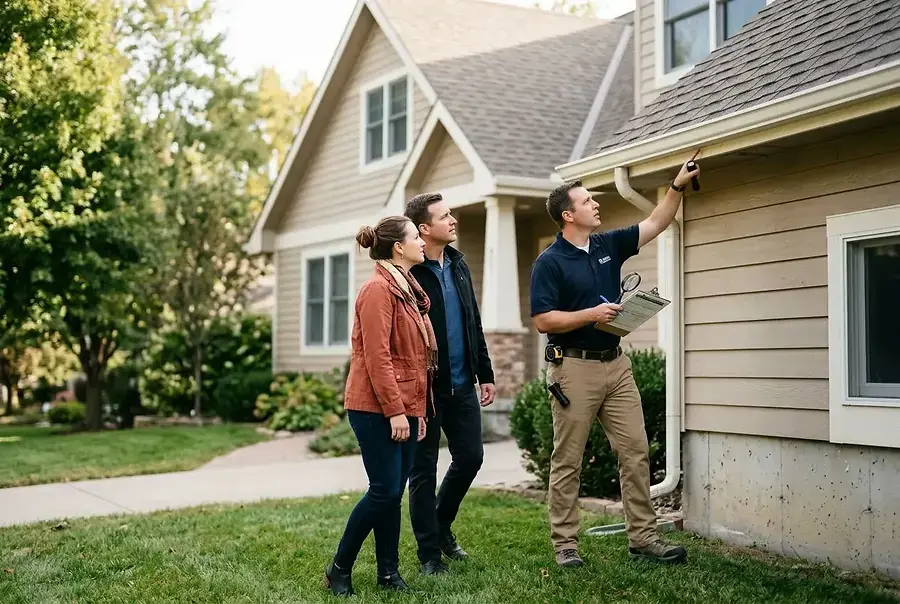
Why Property Inspections Matter in Gretna
Purchasing property in Gretna is one of the most significant financial decisions you'll make. Whether you're buying a residential home or commercial property, a professional inspection is your safeguard against costly surprises after closing. An inspection provides an objective assessment of the property's condition, revealing hidden issues that could affect its value and your safety.
In Gretna's competitive real estate market, many buyers feel pressured to skip inspections or waive contingencies to make their offers more attractive. However, this approach can lead to expensive repairs and regrets. A thorough inspection typically costs between $300 and $700 for residential properties and more for commercial spaces, but it can save you thousands in unexpected repairs and provide peace of mind before you sign the final documents.
Property inspections serve multiple purposes:
- Identify structural and safety issues
- Reveal the condition of major systems like plumbing, electrical, and HVAC
- Uncover pest infestations or water damage
- Provide documentation for insurance and financing purposes
- Give you leverage to negotiate repairs or price adjustments
What Inspectors Check: Residential vs. Commercial Properties
Residential Property Inspections
For residential properties in Gretna, inspectors conduct a comprehensive evaluation of the entire home. They examine the foundation, roof, walls, and overall structural integrity. They test all electrical outlets, check the condition of plumbing systems, and evaluate heating and cooling equipment.
Key areas residential inspectors evaluate include:
- Roof and Attic: Age, condition, leaks, and ventilation
- Foundation: Cracks, settling, and moisture issues
- Plumbing: Water pressure, drainage, and pipe condition
- Electrical Systems: Panel condition, outlet safety, and code compliance
- HVAC Systems: Furnace, air conditioning, and ductwork functionality
- Appliances: Condition and operational status of included appliances
- Windows and Doors: Sealing, operation, and weatherproofing
- Interior and Exterior: Paint, flooring, siding, and landscaping issues
Commercial Property Inspections
Commercial property inspections are more complex and specialized than residential inspections. They focus on building systems, code compliance, and the property's ability to support business operations. Commercial inspectors evaluate larger HVAC systems, fire suppression systems, emergency lighting, and accessibility compliance.
Commercial inspectors pay special attention to:
- Building Systems: Industrial-grade HVAC, electrical panels, and plumbing infrastructure
- Safety Compliance: Fire codes, emergency exits, and ADA accessibility
- Roof Condition: Critical for commercial properties due to size and complexity
- Environmental Concerns: Asbestos, lead paint, and hazardous materials
- Parking and Grounds: Pavement condition, drainage, and landscaping
- Tenant Spaces: Individual unit conditions if multi-tenant property
Red Flags to Watch for and How to Negotiate Repairs
Common Red Flags in Gretna Properties
Understanding what inspectors look for helps you recognize potential problems. Some issues are minor cosmetic concerns, while others indicate serious structural or safety problems that require immediate attention.
Major red flags include:
- Water Damage and Mold: Stains on ceilings, walls, or foundations suggest moisture problems that can compromise structural integrity and create health hazards
- Foundation Cracks: Large or multiple cracks may indicate settling or structural movement requiring expensive repairs
- Outdated Electrical Systems: Aluminum wiring or insufficient panel capacity can pose fire hazards
- Roof Issues: Missing shingles, sagging, or age over 20 years suggests replacement costs ahead
- Pest Infestations: Evidence of termites, rodents, or other pests requires professional treatment
- HVAC System Failure: Non-functional heating or cooling systems represent significant replacement expenses
- Plumbing Problems: Slow drains, low water pressure, or corroded pipes indicate system issues
Negotiating Repairs and Credits
Once you receive the inspection report, you have several options for addressing identified issues. The most common approach is requesting the seller make repairs before closing. However, sellers may prefer offering credits toward repairs or price reductions instead.
Negotiation strategies include:
- Request Seller Repairs: Ask the seller to hire licensed contractors to fix major issues before closing
- Repair Credits: Negotiate a credit from the seller to cover repair costs you'll handle after purchase
- Price Reduction: Request a lower purchase price reflecting the cost of necessary repairs
- Escrow Holdback: Arrange to hold back funds from closing to ensure repairs are completed
Focus your negotiation efforts on major structural, safety, and system issues rather than minor cosmetic concerns. Sellers are more likely to agree to addressing significant problems that could affect financing or insurability. Be prepared to walk away if the seller refuses to address critical issues, as this protects your long-term investment.
Making Informed Decisions with Inspection Results
The inspection report is your roadmap for making an informed purchase decision. Review the report carefully with your real estate agent and consider consulting specialists for any areas of concern. Don't ignore minor issues either—small problems can compound into expensive repairs if left unaddressed.
After receiving your inspection report, take these steps:
- Review the full report and ask your inspector to clarify any findings
- Prioritize issues by severity and cost of repair
- Obtain repair estimates from licensed contractors
- Consult with your lender about any issues affecting financing
- Negotiate repairs or credits based on your findings
- Schedule follow-up inspections if major work is completed
Remember that no property is perfect. The goal of an inspection isn't to find reasons to back out of a deal but to understand what you're purchasing and plan for future maintenance and repairs. Armed with inspection knowledge, you can make confident decisions that protect your Gretna real estate investment for years to come.