Understanding Hibbing's Diverse Neighborhoods and Their Unique Characteristics
Hibbing, Minnesota, offers a rich tapestry of neighborhoods, each with its own distinct personality and charm. Whether you're a first-time homebuyer, a growing family, or an experienced investor, understanding what makes each neighborhood unique is essential to finding your perfect fit.
Historic Downtown District
The heart of Hibbing pulses with character and history. The Downtown District features beautifully preserved architecture, walkable streets, and a strong sense of community. This neighborhood appeals to those seeking urban convenience with small-town warmth. Proximity to local businesses, restaurants, and cultural venues makes this area particularly attractive for professionals and retirees alike.
Residential Family Neighborhoods
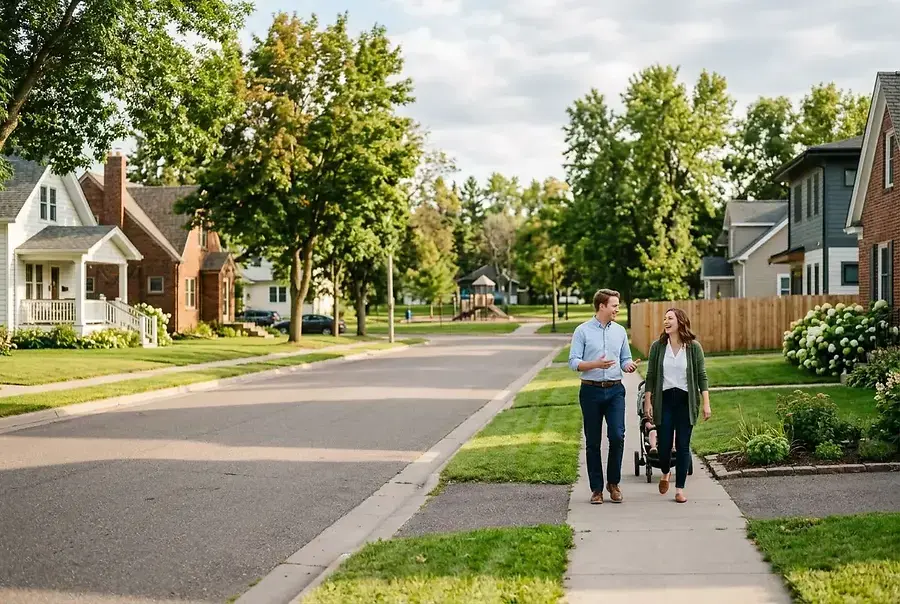
Hibbing's established residential areas provide tree-lined streets, spacious lots, and a family-friendly atmosphere. These neighborhoods are characterized by well-maintained homes, quiet cul-de-sacs, and strong neighborhood associations. Many of these areas have been home to families for generations, creating a stable and welcoming community environment.
Emerging Growth Areas
Newer developments on Hibbing's outskirts offer modern amenities and contemporary home designs. These neighborhoods feature updated infrastructure, newer construction, and often include planned community features. They attract buyers seeking the latest in home technology and design while maintaining reasonable proximity to downtown services.
Evaluating Schools, Amenities, and Community Features by Neighborhood
Educational Excellence
School quality significantly impacts neighborhood desirability and property values. Hibbing's school system serves different neighborhoods with varying programs and specializations. Research specific school ratings, extracurricular offerings, and academic programs when evaluating neighborhoods with school-age children in mind.
Recreation and Leisure Facilities
Different neighborhoods offer varying access to recreational amenities:
- Parks and green spaces for outdoor activities
- Community centers with fitness and wellness programs
- Sports facilities and athletic fields
- Walking and biking trails
- Water access and recreational opportunities
Shopping and Dining Options
Neighborhood convenience varies based on proximity to commercial districts. Downtown areas offer walkable access to independent shops and restaurants, while suburban neighborhoods may require short drives to shopping centers. Consider your lifestyle preferences when evaluating shopping and dining accessibility.
Healthcare and Essential Services
Access to medical facilities, pharmacies, and essential services should factor into your neighborhood decision. Neighborhoods closer to the hospital and medical centers offer greater convenience for healthcare needs, particularly important for families with young children or elderly residents.
Comparing Neighborhood Price Points and Long-Term Property Value Trends
Understanding Market Segments
Hibbing's neighborhoods span a range of price points, from affordable starter homes to premium properties. Entry-level neighborhoods typically offer homes at lower price points, making them ideal for first-time buyers. Mid-range neighborhoods balance affordability with amenities, while premium areas command higher prices due to location, size, and exclusive features.
Investment Potential and Appreciation
Different neighborhoods show varying appreciation trends. Historic districts undergoing revitalization often present strong investment opportunities as property values increase with community improvements. Established neighborhoods typically appreciate steadily, while emerging areas may offer higher growth potential for long-term investors.
Smart investors recognize that neighborhood fundamentals—school quality, infrastructure investment, and community development—drive long-term property value growth.
Cost of Living Considerations
Beyond purchase price, consider property taxes, maintenance costs, and utility expenses. Older homes in historic neighborhoods may require more maintenance, while newer construction typically offers lower upkeep costs. Evaluate the total cost of ownership when comparing neighborhoods.
Making Your Neighborhood Choice: A Strategic Guide for Buyers and Investors
Define Your Priorities
Begin by identifying what matters most to you:
- Lifestyle factors: Urban walkability versus suburban tranquility
- Family needs: School quality, parks, and family-friendly amenities
- Investment goals: Appreciation potential and rental income opportunities
- Commute considerations: Proximity to workplace or major employers
- Budget constraints: Purchase price and long-term affordability
Visit and Experience Neighborhoods
Virtual tours and online research provide valuable information, but nothing replaces visiting neighborhoods in person. Walk the streets at different times of day, visit local businesses, and talk with residents. This firsthand experience reveals the true character and feel of each community.
Work with Local Experts
Real estate professionals with deep Hibbing knowledge can provide invaluable insights into neighborhood trends, upcoming developments, and market dynamics. They understand which neighborhoods align with specific buyer profiles and investment strategies.
Consider Future Development
Research planned infrastructure improvements, commercial development, and community initiatives that may impact your chosen neighborhood. Understanding the trajectory of neighborhood development helps ensure your investment remains sound for years to come.
Trust Your Instincts
While data and analysis matter, your comfort level in a neighborhood is equally important. The best neighborhood choice combines practical considerations with emotional connection. You'll spend significant time in your community, so choose one where you genuinely want to live and invest.
Hibbing's diverse neighborhoods offer something for everyone. By systematically evaluating your priorities, researching each area thoroughly, and visiting communities in person, you'll discover the perfect neighborhood that meets your needs and supports your long-term goals. Whether you're seeking historic charm, family-friendly amenities, or investment potential, Hibbing's neighborhoods provide excellent opportunities for buyers and investors alike.