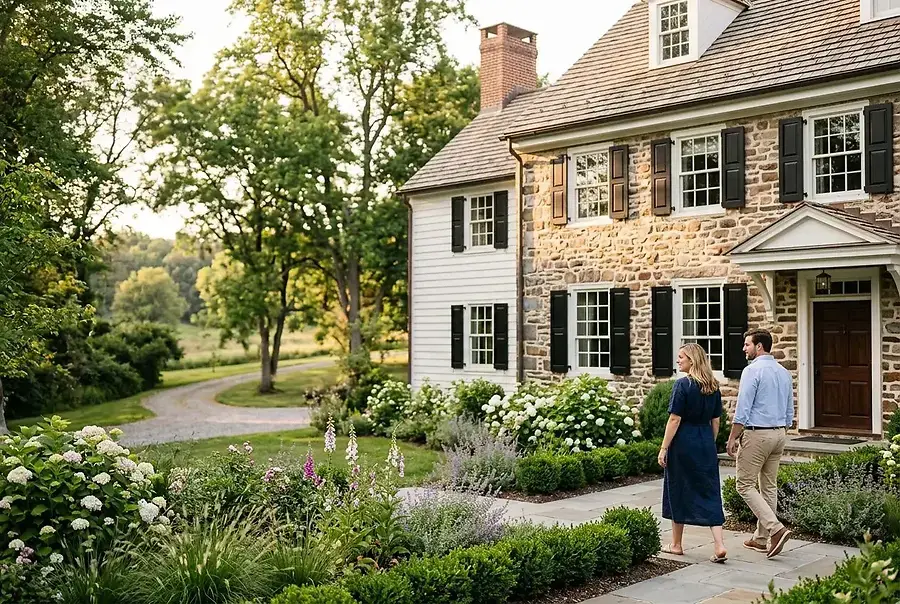
The Appeal and Challenges of Historic Home Renovation
Historic homes in Bucks, Hunterdon, and Mercer Counties represent some of the most charming and character-filled properties in the region. From colonial-era farmhouses to Victorian mansions, these period properties offer unique architectural details, solid construction, and a sense of history that modern homes simply cannot replicate. However, owning and renovating a historic home comes with its own set of challenges and responsibilities.
The primary appeal of historic homes lies in their distinctive architectural features, including original hardwood floors, crown molding, hand-blown glass windows, and period-appropriate hardware. These elements tell the story of the home's past and contribute to its overall aesthetic value. Beyond aesthetics, many historic properties sit on larger lots and feature superior craftsmanship that reflects the building standards of their era.
Yet, the challenges are equally significant. Historic homes often require extensive updates to electrical, plumbing, and HVAC systems to meet current safety codes. Structural issues, outdated insulation, and the presence of hazardous materials like lead paint or asbestos demand careful attention. Additionally, navigating preservation guidelines and compliance requirements can be complex and time-consuming.
Preservation Guidelines and Compliance Requirements Across Bucks, Hunterdon, and Mercer Counties
Understanding Local Historic District Regulations
If your historic home is located within a designated historic district, you'll need to work with your local Historic Preservation Commission or similar governing body. These organizations exist in many municipalities across the tri-county area to ensure that renovations maintain the historical integrity of neighborhoods.
Key compliance areas typically include:
- Exterior modifications (roofing materials, siding, windows, and doors)
- Paint colors and finishes
- Landscaping and fence designs
- Addition sizing and architectural style
- Signage and lighting fixtures
Interior Renovation Flexibility
The good news is that interior renovations are often less restricted than exterior work. Most preservation guidelines focus on maintaining the home's outward appearance and curb appeal. This means you typically have more freedom to update kitchens, bathrooms, and mechanical systems inside your home, provided you don't compromise structural integrity or remove irreplaceable architectural elements.
Working with Contractors and Architects
Hiring professionals experienced in historic home renovation is essential. Look for contractors and architects who have specific experience with period properties in your county. They'll understand local regulations, know how to source period-appropriate materials, and can help you navigate the approval process with your local preservation commission.
Before beginning any work, obtain written approval from your local historic preservation authority. This protects your investment and ensures your renovation meets all requirements.
Budget Planning and Cost-Saving Strategies for Period Property Updates
Realistic Budget Expectations
Historic home renovations typically cost 15-25% more than comparable modern home updates. This premium accounts for the complexity of working with older materials, the need for specialized contractors, and potential unforeseen issues discovered during renovation.
When planning your budget, allocate funds for:
- Professional inspections (structural, electrical, plumbing, environmental)
- Permits and historic preservation review fees
- Specialized labor and materials
- Contingency fund (aim for 20-30% of total project cost)
- Temporary housing if the home is uninhabitable during renovation
Smart Cost-Saving Strategies
Prioritize essential updates first. Focus on safety-critical systems like electrical, plumbing, and structural repairs before cosmetic upgrades. This approach ensures your home is safe and functional while spreading costs over time.
Salvage and repurpose original materials. When removing old elements, carefully preserve items like hardwood flooring, doors, hardware, and trim. These can be refinished and reinstalled, saving money while maintaining authenticity. Salvage yards specializing in historic materials are excellent resources for finding period-appropriate replacements.
Phase your renovation strategically. Rather than tackling everything at once, break your project into phases. Complete critical systems first, then move to aesthetic improvements. This approach allows you to spread costs and adjust plans based on what you discover during initial work.
Explore tax incentives and grants. The federal Historic Preservation Tax Credit offers significant incentives for qualified rehabilitation projects. Additionally, some counties and municipalities offer grants or low-interest loans for historic home improvements. Research what programs are available in your specific area.
Finding the Right Contractors
Don't automatically choose the lowest bid. Instead, seek contractors who understand historic preservation and can provide references from similar projects. A slightly higher initial cost from an experienced professional often results in better outcomes and fewer costly mistakes.
Bringing Your Historic Home into the Modern Era
Renovating a historic home in Bucks, Hunterdon, or Mercer County is a rewarding investment that preserves regional heritage while creating a comfortable modern living space. Success requires careful planning, understanding local regulations, realistic budgeting, and working with experienced professionals.
The key to a successful historic home renovation is balancing preservation with modernization. Your goal should be maintaining the home's character and historical significance while updating systems and amenities to meet contemporary standards and comfort levels.
Start by conducting thorough inspections, understanding your local preservation requirements, and developing a detailed renovation plan. Connect with local historic preservation organizations, attend workshops, and learn from other homeowners who have successfully renovated period properties in your area.
With proper planning and the right team, your historic home can become a beautiful, functional, and valuable property that honors its past while serving your family's future needs.