Introduction: The Appeal of Historic Homes in the Delaware Valley
The Delaware Valley has long been a treasure trove of American architectural heritage, with neighborhoods that tell the stories of centuries past. Today, these historic communities are experiencing a remarkable renaissance, attracting homebuyers who crave the authenticity and character of period homes without sacrificing modern conveniences. The combination of original hardwood floors, ornate moldings, and vintage charm paired with updated kitchens, smart home technology, and contemporary amenities creates an irresistible appeal for those seeking a unique living experience.
Wilmington and Newark stand at the forefront of this revitalization movement, offering residents the best of both worlds. These neighborhoods showcase the architectural beauty of the past while embracing the lifestyle expectations of the present, making them increasingly desirable destinations for families, professionals, and retirees alike.
Section 1: Exploring Wilmington's Revitalized Historic Districts
The Charm of Wilmington's Historic Core
Wilmington's historic neighborhoods have undergone significant transformation in recent years, breathing new life into communities that were once overlooked. The city's commitment to preservation and revitalization has created vibrant districts where residents can enjoy walkable streets, local businesses, and cultural attractions.
Key features of Wilmington's historic neighborhoods include:
- Architectural Diversity: From Victorian mansions to Federal-style townhouses, the variety of period architecture provides options for every aesthetic preference
- Community Investment: Local initiatives have funded street improvements, park renovations, and facade restoration programs
- Cultural Institutions: Museums, galleries, and theaters have relocated to historic buildings, creating vibrant cultural hubs
- Local Dining and Retail: Independent restaurants, boutiques, and specialty shops have opened in restored storefronts
Modern Upgrades in Historic Homes
One of the most appealing aspects of purchasing a historic home in Wilmington is the opportunity to own a property with original character while enjoying modern conveniences. Savvy homeowners and developers have mastered the art of blending old and new, preserving architectural integrity while installing contemporary systems.
Common modern upgrades found in Wilmington's historic homes include:
- Updated electrical systems and smart home technology
- Modern HVAC systems hidden within original walls
- Renovated kitchens with stainless steel appliances and granite countertops
- Spa-like bathrooms with contemporary fixtures
- Energy-efficient windows that replicate original styles
The result? Homes that honor their heritage while meeting the expectations of modern living.
Section 2: Newark's Period Homes and Modern Upgrades
Newark's Historic Residential Character
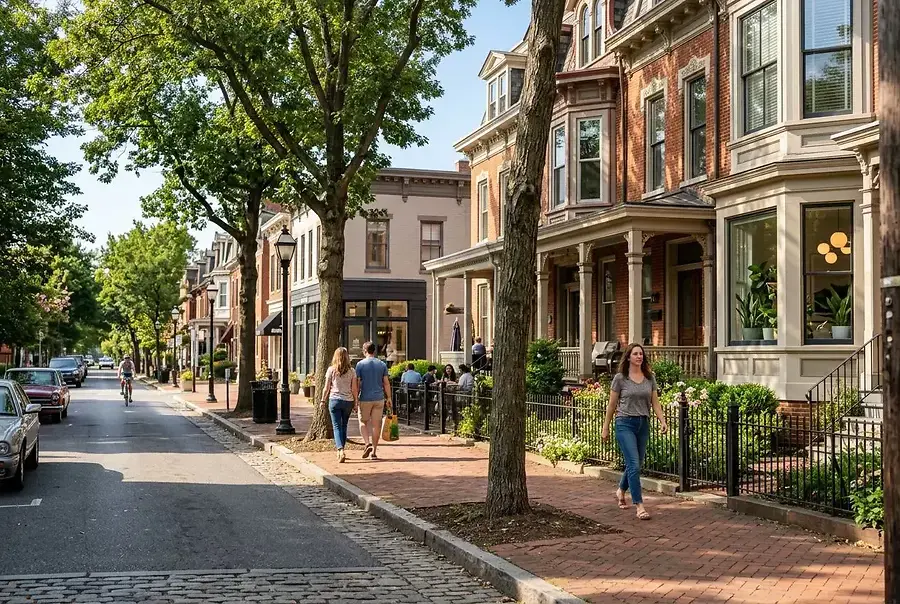
Newark's neighborhoods offer a slightly different flavor of historic charm, with tree-lined streets and a strong sense of community. The city's proximity to the University of Delaware has helped maintain vibrant, walkable neighborhoods with a youthful energy combined with established residential character.
Newark's historic districts are characterized by:
- Tree-Lined Streets: Mature trees create a canopy effect that enhances the neighborhood's appeal and provides natural cooling
- Mixed-Use Development: Historic homes sit alongside shops, restaurants, and services within walking distance
- Strong Community Identity: Neighborhood associations and local events foster a sense of belonging
- Accessibility: Proximity to major routes and public transportation makes commuting convenient
Balancing Preservation with Progress
Newark has successfully navigated the delicate balance between preserving its historic character and accommodating modern needs. Homeowners in Newark's historic neighborhoods have embraced thoughtful renovations that respect the original design while adding contemporary functionality.
Examples of successful modern integrations include:
- Open-concept living spaces created while maintaining original architectural details
- Basement renovations that add square footage without altering exterior appearance
- Outdoor living spaces that complement historic architecture
- Adaptive reuse of historic commercial buildings into residential lofts
These thoughtful upgrades have made Newark's historic homes attractive to a diverse range of buyers, from first-time homeowners to established families seeking a strong sense of place.
Investment Potential
Beyond the lifestyle benefits, historic homes in Newark's revitalized neighborhoods represent solid investment opportunities. As these communities continue to attract new residents and businesses, property values have shown steady appreciation. The combination of limited housing stock, strong community demand, and ongoing neighborhood improvements creates favorable conditions for long-term value growth.
Conclusion: Why Historic Neighborhoods Attract Today's Homebuyers
The resurgence of interest in historic neighborhoods throughout Wilmington and Newark reflects a broader shift in how people view home and community. Today's homebuyers are increasingly seeking authenticity, character, and a sense of place—qualities that historic neighborhoods offer in abundance.
Historic neighborhoods provide more than just a house; they offer a lifestyle rooted in community, culture, and connection to the past while embracing the conveniences of the present.
The successful revitalization of these communities demonstrates that historic preservation and modern living are not mutually exclusive. Instead, they complement each other, creating neighborhoods that are both deeply rooted in history and fully equipped for contemporary life.
Whether you're drawn to the architectural splendor of a Victorian mansion, the simplicity of a Federal-style townhouse, or the charm of a mid-century bungalow, Wilmington and Newark's historic neighborhoods offer compelling reasons to call the Delaware Valley home. With ongoing community investment, cultural vitality, and the timeless appeal of period homes, these neighborhoods continue to attract homebuyers who understand that the best homes honor the past while embracing the future.