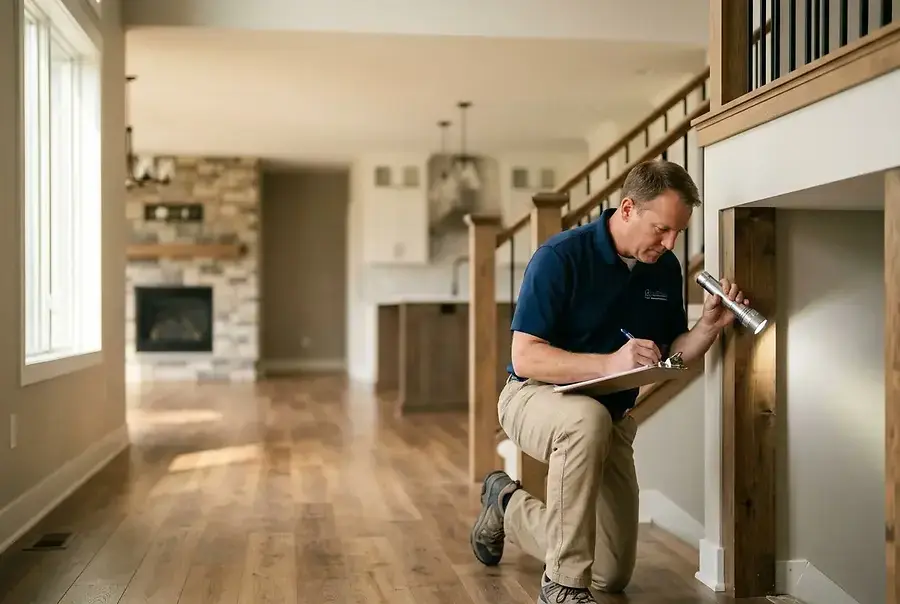
Introduction: Why Professional Inspections Are Essential in Muskego
Purchasing a property is one of the most significant financial decisions you'll make in your lifetime. Whether you're buying a residential home or a commercial building in Muskego, a professional inspection is your best defense against costly surprises after closing. An inspection provides an objective assessment of the property's condition, identifying potential issues that could affect its value and your safety.
Professional inspectors bring years of experience and specialized knowledge to evaluate every aspect of a property. They look beyond what the eye can see, uncovering hidden problems that could cost thousands to repair. In Muskego's diverse real estate market, understanding what inspectors examine can help you negotiate better terms and make informed decisions about your investment.
Critical Inspection Points for Residential Properties in Wisconsin
Structural and Foundation Issues
The foundation is the backbone of any home. Inspectors carefully examine foundations for cracks, settling, and water damage. Wisconsin's freeze-thaw cycles can be particularly harsh on foundations, making this inspection point crucial. Look for signs of:
- Horizontal or vertical cracks in basement walls
- Water stains or moisture accumulation
- Bowing or leaning walls
- Gaps between the foundation and walls
Roofing and Exterior Condition
Your roof protects everything beneath it. Inspectors assess roof age, material condition, and proper installation. They check for missing shingles, deterioration, and adequate ventilation. The exterior also includes siding, windows, doors, and gutters—all critical for keeping water out of your home.
Common issues found: Damaged flashing, inadequate drainage, rotting wood, and improper sealing around penetrations.
Plumbing Systems
Inspectors test water pressure, check for leaks, and evaluate the age and condition of pipes. Older homes may have outdated plumbing materials that require replacement. They also examine:
- Water heater age and condition
- Septic systems or sewer connections
- Drain functionality
- Presence of water-saving fixtures
Electrical Systems
A thorough electrical inspection ensures your home is safe and up to code. Inspectors examine the main panel, wiring, outlets, and switches. Older homes may have outdated electrical systems that pose fire hazards. They verify proper grounding and adequate capacity for modern appliances.
HVAC and Climate Control
Heating and cooling systems are essential in Wisconsin's climate. Inspectors evaluate furnace and air conditioning unit age, efficiency, and maintenance history. They check ductwork for leaks and proper insulation, which directly impacts your energy bills.
Insulation and Ventilation
Proper insulation keeps your home comfortable and energy-efficient. Inspectors assess attic insulation levels, wall insulation, and ventilation systems. Wisconsin winters demand adequate insulation to prevent heat loss and ice dams.
Commercial Property Inspections and Common Issues to Watch For
Structural Integrity and Building Systems
Commercial inspections are more complex than residential ones. Inspectors evaluate the building's structural systems, including load-bearing walls, columns, and beams. They assess the condition of roofing systems, which are often more extensive in commercial buildings.
Key areas of focus:
- Roof condition and remaining lifespan
- HVAC systems sized for commercial use
- Fire suppression and safety systems
- Emergency exits and lighting
Code Compliance and Safety
Commercial properties must meet strict building codes and safety regulations. Inspectors verify compliance with ADA requirements, fire codes, and occupancy limits. Non-compliance can result in costly renovations or operational restrictions.
Environmental Concerns
Commercial inspections often include environmental assessments. Inspectors look for asbestos, lead paint, mold, and other hazardous materials. Phase I environmental site assessments are particularly important for industrial properties or those with previous commercial use.
Mechanical and Electrical Systems
Commercial buildings have more complex mechanical and electrical systems than residential properties. Inspectors evaluate:
- Backup power systems and generators
- Commercial-grade HVAC equipment
- Electrical panel capacity and distribution
- Plumbing for commercial use
Parking and Exterior Infrastructure
Commercial properties often include parking lots, landscaping, and exterior infrastructure. Inspectors assess pavement condition, drainage systems, and lighting. These elements affect both safety and long-term maintenance costs.
Conclusion: Using Inspection Results to Make Confident Purchase Decisions
A professional inspection report provides detailed findings and recommendations. Don't ignore red flags—use inspection results as a negotiation tool. You may request repairs, credits, or price reductions based on significant issues discovered.
Next steps after receiving your inspection report:
- Review findings with your real estate agent
- Prioritize issues by severity and cost
- Obtain repair estimates from qualified contractors
- Negotiate with the seller based on findings
- Plan for future maintenance and upgrades
Whether you're purchasing a cozy Muskego home or a commercial space, professional inspections are non-negotiable. They protect your investment, ensure safety, and provide peace of mind. By understanding what inspectors examine and how to use their findings, you're taking control of one of life's biggest financial decisions. Don't skip this crucial step—your future self will thank you.
