Understanding the Gap Between Listing Price and Appraised Value
When you list your home for sale or apply for a refinance, you likely have a specific price in mind. However, the appraised value—what a professional appraiser determines your home is worth—often tells a different story. This gap between your listing price and the appraised value can be frustrating and financially significant, potentially derailing transactions or reducing your equity.
An appraisal gap occurs when a home's appraised value falls below the agreed-upon purchase price or the homeowner's expected valuation. This discrepancy can create serious complications: buyers may back out of deals, lenders may refuse to finance the full amount, and refinancing plans may fall through. Understanding why these gaps happen is the first step toward preventing them.
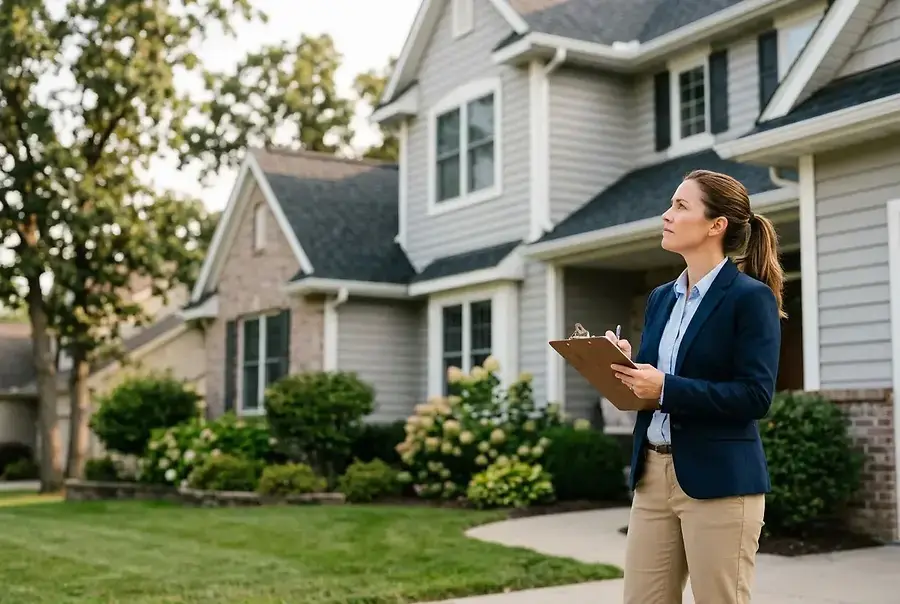
The appraisal process is objective and data-driven. Appraisers don't simply estimate value based on feelings or market enthusiasm. Instead, they follow standardized methodologies, compare your property to recent sales of similar homes, and assess physical condition, location, and market trends. When your home doesn't align with these factors, the appraised value reflects that reality.
Common Factors That Lower Home Appraisals
Market Conditions and Comparable Sales
One of the most significant influences on appraisal value is the current real estate market. Appraisers rely heavily on comparable sales—recent transactions of similar properties in your area. If the market has softened since you purchased your home or listed it, comparable sales will reflect lower prices, directly impacting your appraisal.
- Recent sales of similar homes in your neighborhood
- Days on market for comparable properties
- Price reductions or concessions offered by sellers
- Overall market trends in your region
Additionally, if your listing price is significantly higher than recent comparable sales, appraisers will likely value your home closer to the market data rather than your asking price.
Property Condition and Maintenance Issues
The physical condition of your home is a critical appraisal factor. Appraisers conduct thorough inspections, noting structural issues, outdated systems, and deferred maintenance. Even minor problems can accumulate and reduce value.
Common issues that lower appraisals include:
- Roof damage or age beyond typical lifespan
- Outdated electrical, plumbing, or HVAC systems
- Foundation cracks or water damage
- Peeling paint, worn flooring, or outdated finishes
- Overgrown landscaping or poor curb appeal
- Missing or damaged siding
Appraisers also consider functional obsolescence—when a home's layout or features no longer meet modern standards. A home with only one bathroom, a closed-off kitchen, or poor natural lighting may appraise lower than comparable homes with more contemporary designs.
Location and Neighborhood Factors
Location remains paramount in real estate valuation. Appraisers assess neighborhood characteristics, including proximity to schools, employment centers, and amenities. Properties near undesirable features—such as busy highways, industrial areas, or flood zones—typically appraise lower than similar homes in more desirable locations.
Strategies to Prepare Your Home and Documentation to Support a Higher Appraisal
Enhance Curb Appeal and Address Visible Issues
First impressions matter significantly in appraisals. Invest in curb appeal improvements before the appraisal appointment. Fresh landscaping, a clean exterior, and well-maintained entryways set a positive tone. Address any obvious exterior issues like broken gutters, damaged siding, or cracked walkways.
Inside, ensure the home is clean, well-lit, and organized. Remove clutter, repair visible damage, and highlight the home's best features. While you don't need to undertake major renovations, addressing deferred maintenance demonstrates that you've cared for the property.
Compile Comprehensive Documentation
Prepare detailed records of improvements, repairs, and upgrades you've made to the property. Documentation should include:
- Receipts and invoices for major renovations or system replacements
- Permits for structural work or additions
- Maintenance records showing regular upkeep
- Energy efficiency upgrades or certifications
- Recent inspections or professional assessments
This documentation helps appraisers understand the true condition and value of your home, potentially offsetting concerns they might otherwise have.
Provide Market Context and Comparable Sales Information
While appraisers conduct their own research, providing information about recent comparable sales in your area can be helpful. Focus on sales that highlight your home's strengths—properties with similar square footage, features, and condition that sold for higher prices. This information should be factual and presented professionally, not argumentatively.
Ensure Accurate Property Information
Verify that all property details in the appraisal are correct: square footage, number of bedrooms and bathrooms, lot size, and year built. Errors in these fundamental details can significantly impact valuation. If you notice inaccuracies, request corrections immediately.
Address Major Systems Proactively
If you know your roof, HVAC, or plumbing systems are aging, consider having them professionally inspected and serviced before the appraisal. A well-maintained system, even if older, appraises better than one showing signs of neglect. Documentation of recent maintenance strengthens your position.
Conclusion: Taking Action to Protect Your Home's Market Value
Appraisal gaps don't have to derail your real estate plans. By understanding what appraisers evaluate and taking proactive steps to present your home in its best light, you can maximize your appraised value. The key is preparation and transparency.
Start by addressing visible maintenance issues and enhancing curb appeal. Compile thorough documentation of improvements and repairs. Ensure all property information is accurate. Finally, provide appraisers with relevant market context without being defensive.
Remember, appraisals are based on objective criteria and market data, not emotion or expectations. By aligning your home's condition and presentation with market realities, you protect your investment and increase the likelihood of a favorable appraisal. Whether you're selling or refinancing, these strategies will help bridge the gap between your home's value and its appraised worth.