The Critical Role of Home Appraisals in Your Purchase
When you're buying a home, one of the most important steps in the closing process is the appraisal. This independent assessment determines the fair market value of the property you're purchasing, and it plays a crucial role in your financing and investment protection. Many buyers don't fully understand what an appraisal is or why it matters, which can lead to surprises down the road. Understanding the appraisal process before you close on your home can help you make informed decisions and avoid costly mistakes.
An appraisal is essentially a professional opinion of a property's value, conducted by a licensed appraiser. Lenders require appraisals to ensure they're not lending more money than the home is actually worth. For you as a buyer, the appraisal serves as a safeguard against overpaying for your property. If the appraisal comes in lower than your purchase price, you'll have important decisions to make about how to proceed.
How the Appraisal Process Works: Step-by-Step Breakdown
The Appraisal Request and Timeline
Once your offer is accepted, your lender will order an appraisal, typically within a few days. The appraisal is ordered through a third-party company to ensure objectivity and independence. You won't directly hire the appraiser, but you should know that the appraisal usually takes 7 to 10 business days to complete from the time it's ordered.
The Inspection Visit
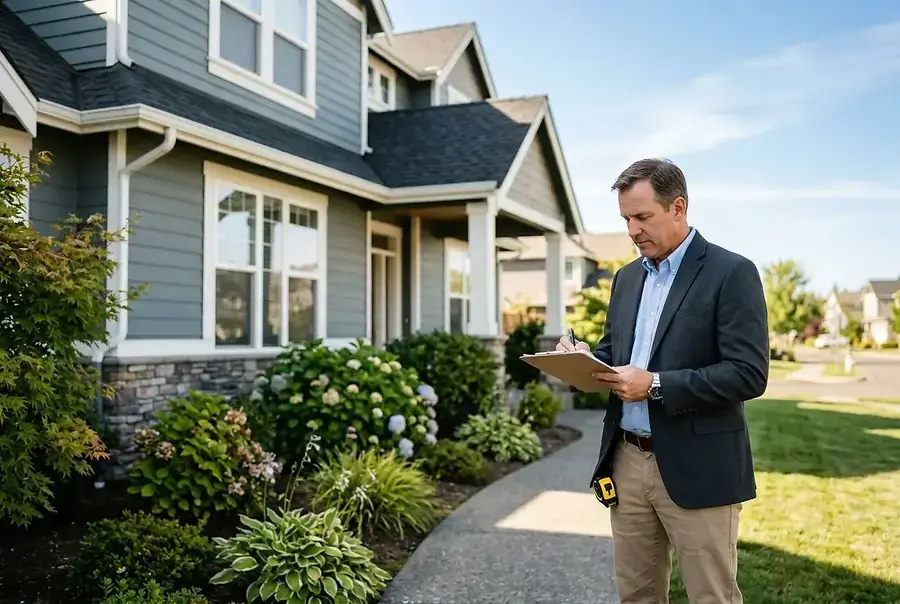
The appraiser will schedule a time to visit the property, usually when you're not present. During this visit, which typically lasts 1 to 2 hours, the appraiser will:
- Walk through every room and note the condition of the property
- Measure the square footage of the home
- Photograph the exterior, interior, and any notable features
- Check the roof, foundation, and structural elements
- Evaluate the overall condition and any needed repairs
Comparable Market Analysis
After the physical inspection, the appraiser researches comparable properties (or "comps") in your area that have recently sold. These are homes similar in size, condition, location, and features. The appraiser uses this data to determine a fair market value for your property. This research is critical because it grounds the appraisal in real market data rather than speculation.
The Appraisal Report
The appraiser compiles all findings into a detailed report that includes photographs, measurements, condition assessments, and the final appraised value. This report is sent to your lender, and you typically receive a copy as well. The report is the official document that determines whether your purchase can proceed as planned.
Key Factors That Influence Your Home's Appraised Value
Location and Neighborhood
Location is one of the most significant factors in home valuation. Appraisers consider the neighborhood's desirability, school district quality, proximity to amenities, and local market trends. A home in a highly sought-after area will appraise for more than an identical home in a less desirable location.
Property Condition and Age
The overall condition of the home directly impacts its appraised value. Appraisers note any needed repairs, outdated systems, or deferred maintenance. A well-maintained home with modern updates will appraise higher than one requiring significant work. The age of major systems like the roof, HVAC, and plumbing also matters significantly.
Size and Layout
Square footage is a primary driver of value. Appraisers measure the living space and compare it to similar properties. However, layout and functionality also matter—an efficient floor plan adds value, while an awkward layout may reduce it.
Special Features and Upgrades
Unique features can increase appraised value. These might include:
- Updated kitchens and bathrooms
- Energy-efficient windows and insulation
- Hardwood floors or high-end finishes
- Outdoor features like decks or pools
- Smart home technology
Market Conditions
The current real estate market significantly influences appraisals. In a hot seller's market, homes may appraise closer to asking prices. In a slower market, appraisals may be more conservative. Economic factors and local supply and demand also play important roles.
Preparing for Appraisal and Handling Unexpected Results
How to Prepare Your Home
While you can't influence the appraiser's professional judgment, you can ensure the property is in its best condition:
- Clean thoroughly—a clean home shows better and may be perceived as better maintained
- Make minor repairs—fix obvious issues like broken fixtures or damaged paint
- Provide documentation—gather receipts for recent upgrades or repairs
- Ensure access—make sure the appraiser can easily access all areas of the property
What to Do If the Appraisal Comes in Low
If the appraised value is lower than your purchase price, you have several options:
- Renegotiate the price—ask the seller to lower the asking price to match the appraisal
- Request an appraisal review—if you believe the appraisal is inaccurate, you can ask for a second opinion
- Make up the difference—pay the difference in cash if you're able and willing
- Walk away—in many cases, you can exit the contract without penalty if the appraisal is significantly low
A low appraisal doesn't necessarily mean the home isn't worth the asking price—it means the lender won't finance above that appraised value. This is actually a protection for you as a buyer.
Understanding Appraisal Contingencies
Most purchase agreements include an appraisal contingency, which protects you if the appraisal comes in low. This contingency allows you to renegotiate or withdraw from the deal without losing your earnest money deposit. It's one of the most important protections in your purchase agreement.
Using Your Appraisal to Protect Your Investment
Your appraisal is more than just a number for your lender—it's a valuable tool for protecting your investment. The detailed report provides an independent assessment of the property's condition and value, which can be useful for future refinancing, insurance purposes, or if you ever need to dispute property taxes.
Understanding the appraisal process empowers you to make better decisions throughout your home purchase. By knowing what appraisers look for, how they determine value, and what your options are if results are unexpected, you can navigate the closing process with confidence. Remember, the appraisal exists to protect both you and your lender—it ensures you're making a sound financial decision and paying a fair price for your new home.