Understanding the Home Inspection Process in Chase City
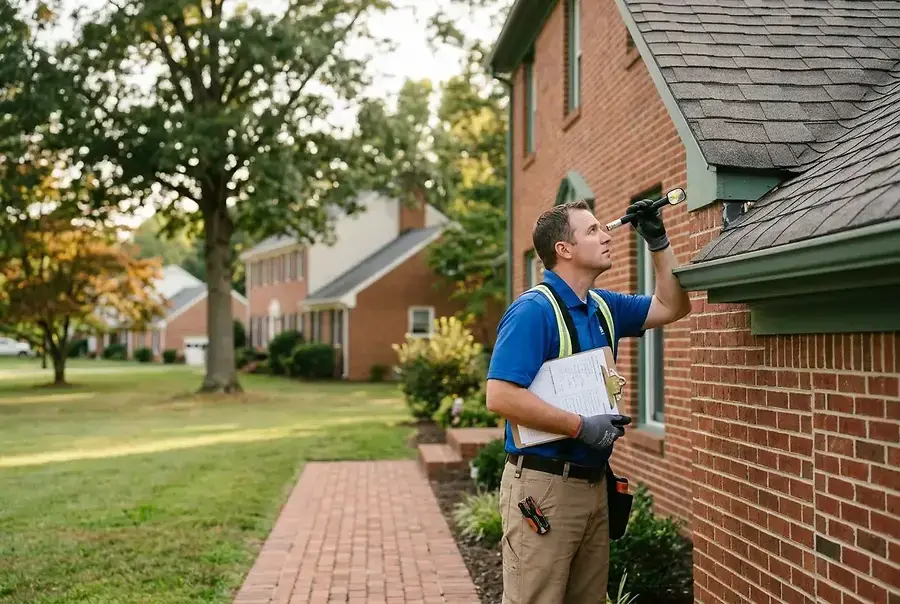
A home inspection is one of the most critical steps in the home-buying process. This comprehensive evaluation by a licensed professional examines the structural integrity, mechanical systems, and overall condition of a property. For Chase City buyers, understanding what happens during an inspection can help you make informed decisions and avoid costly surprises after closing.
The typical home inspection takes between two to four hours, depending on the property's size and age. During this time, the inspector will examine everything from the foundation to the roof, checking electrical systems, plumbing, HVAC units, and more. As a buyer, you have the right to be present during the inspection, and it's highly recommended that you attend to ask questions and gain firsthand knowledge about your potential home.
What Professional Inspectors Look For
Professional home inspectors follow a standardized checklist that covers multiple areas of the property. They assess the condition of structural components, including the foundation, walls, and roof. They test all electrical outlets and switches, inspect plumbing fixtures and water pressure, and evaluate heating and cooling systems. Additionally, inspectors check for signs of pest damage, water intrusion, mold, and other environmental concerns that could affect your health and safety.
The inspector will also examine appliances that come with the home, check for proper ventilation in bathrooms and kitchens, and verify that safety features like smoke detectors and carbon monoxide detectors are in place. Each of these elements plays a crucial role in determining the overall value and livability of the property.
Common Issues Found in Chase City Properties and What They Mean
Chase City properties, like homes in many regions, often present specific challenges related to age, climate, and local building practices. Understanding these common issues can help you evaluate inspection reports more effectively.
Foundation and Structural Concerns
Many older homes in Chase City may have foundation issues ranging from minor settling to more serious cracks. Minor hairline cracks are typically normal, but larger cracks or signs of water seepage require further investigation. Bowing walls or uneven floors could indicate structural problems that need professional assessment and potentially costly repairs.
Roof and Water Damage
The roof is one of the most expensive components to replace, making its condition critically important. Inspectors look for missing or damaged shingles, improper flashing, and signs of leaks in the attic. Water stains on ceilings or walls are red flags that warrant immediate attention, as they can indicate active leaks or past water damage that may have compromised structural integrity.
HVAC and Electrical Systems
Heating and cooling systems are essential for comfort and can be expensive to repair or replace. Inspectors test these systems to ensure they operate properly and assess their age and condition. Similarly, electrical systems are evaluated for safety concerns, including outdated wiring, insufficient outlets, and potential fire hazards. Knob-and-tube wiring or aluminum wiring in older homes may require upgrades.
Plumbing Issues
Common plumbing concerns include low water pressure, slow drains, and aging pipes. Galvanized steel pipes, common in older homes, may be corroded and could fail soon. Polybutylene pipes, used in some homes built in the 1980s and 1990s, are known to be problematic and may need replacement.
How to Prepare for and Review Your Inspection Report
Before the Inspection
Preparation is key to getting the most value from your home inspection. Before the inspector arrives, make a list of any concerns you've noticed during your showings. Note areas where you've seen water stains, cracks, or anything else that seems unusual. Ensure the inspector has access to all areas of the home, including the attic, basement, and crawl spaces.
Clear pathways and remove obstacles that might prevent the inspector from thoroughly examining the property. If you have questions about specific systems or repairs, write them down to discuss with the inspector during the walkthrough.
Understanding Your Inspection Report
The inspection report will categorize findings into different severity levels, typically ranging from major concerns to minor observations. Major issues require immediate attention and could affect your decision to purchase. Minor issues are often cosmetic or involve items with a longer lifespan remaining.
The report should include:
- Detailed descriptions of each system inspected
- Photographs of problem areas
- Recommendations for repairs or further evaluation
- Estimated costs for repairs when available
- Information about the inspector's qualifications and limitations
Don't hesitate to ask your real estate agent or the inspector to clarify any findings. Understanding what you're looking at is crucial for making informed decisions about your purchase.
Taking Action: Next Steps After Your Home Inspection
Negotiating Repairs and Credits
Once you have the inspection report, you have several options. You can request that the seller make repairs before closing, ask for a credit to cover repair costs, or negotiate a price reduction. The key is to prioritize major issues that affect safety, structural integrity, or significant systems. Minor cosmetic issues are typically the buyer's responsibility after closing.
When negotiating, obtain repair estimates from licensed contractors to support your requests. This gives the seller a clear understanding of what repairs will cost and makes your negotiations more credible.
Ordering Specialized Inspections
If the general inspection reveals concerns in specific areas, you may want to order specialized inspections. These might include:
- Radon testing
- Mold inspection
- Termite and pest inspection
- Septic system evaluation
- Well water testing
These additional inspections provide detailed information about specific concerns and help you make fully informed decisions.
Planning for Future Maintenance
Even if the inspection reveals no major issues, use the report as a maintenance guide. The inspector's findings can help you understand when major systems will need replacement and allow you to budget accordingly. Regular maintenance can extend the life of your home's systems and prevent costly emergency repairs.
Remember: A home inspection is your opportunity to understand exactly what you're buying. Take it seriously, ask questions, and don't let pressure to close quickly prevent you from addressing legitimate concerns.
By understanding the home inspection process, recognizing common issues, and taking appropriate action based on your findings, you can protect your investment and ensure that your new Chase City home is safe, sound, and ready for your family.