Why Home Inspections Matter in Residential Real Estate
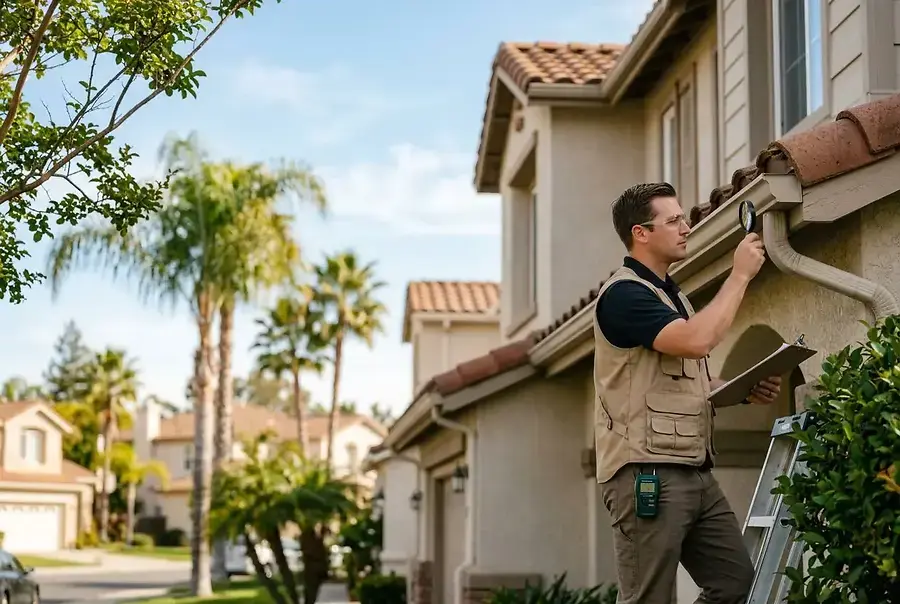
Home inspections are a critical component of the residential real estate transaction process. Whether you're selling your property or preparing to purchase one, a professional home inspection provides an objective assessment of your home's condition. Inspections protect both buyers and sellers by identifying potential issues before they become costly problems.
For sellers, understanding what an inspection reveals can help you address issues proactively and strengthen your negotiating position. For buyers, inspections provide peace of mind and valuable information about their investment. A thorough inspection can uncover hidden defects that might not be visible during a casual walkthrough.
The inspection process typically takes 2-4 hours and covers all major systems in your home, including:
- Structural integrity and foundation
- Roofing and exterior conditions
- Plumbing and water systems
- Electrical systems and safety
- HVAC systems and ventilation
- Interior walls, ceilings, and floors
- Appliances and fixtures
Breaking Down Inspection Costs Across Bay Area and LA Markets
Understanding Inspection Pricing
Home inspection costs vary significantly depending on your location, property size, and age. In the Bay Area, homeowners can expect to pay between $400 to $700 for a standard residential inspection, while Los Angeles properties typically range from $350 to $600. Larger homes or properties with additional structures may cost more.
Several factors influence inspection costs:
- Property Size: Larger homes require more time and detailed examination
- Property Age: Older homes may need specialized inspections for outdated systems
- Location: Urban areas typically charge more than suburban regions
- Inspector Experience: Certified inspectors with extensive credentials may charge premium rates
- Additional Inspections: Pest, mold, radon, or pool inspections add $150-$400 each
Regional Market Differences
The Bay Area market tends to be more expensive due to higher property values and cost of living. Inspectors in San Francisco, San Jose, and surrounding areas charge premium rates because of increased demand and specialized knowledge required for older Victorian homes and earthquake-prone structures.
Los Angeles inspections are slightly more affordable, though prices remain competitive. However, LA properties often require additional inspections for pool and spa equipment, which can increase overall inspection costs by $200-$300.
Critical Issues Inspectors Find and How They Affect Your Sale
Major Red Flags That Impact Property Value
Structural problems are among the most serious issues inspectors discover. Foundation cracks, settling, or water damage can significantly reduce a home's value and may require expensive repairs ranging from $5,000 to $50,000 or more.
Roofing issues are another common finding. A roof nearing the end of its lifespan can cost $10,000-$25,000 to replace, making this a major negotiating point for buyers. Inspectors evaluate roof age, condition, and remaining lifespan.
Electrical and plumbing problems also raise red flags:
- Outdated electrical panels or faulty wiring (safety hazard)
- Galvanized pipes prone to corrosion
- Inadequate water pressure or drainage issues
- Outdated or non-compliant electrical systems
Minor Issues That Still Matter
Not all inspection findings are deal-breakers. Minor issues like missing caulking, worn weatherstripping, or cosmetic damage are common and typically don't significantly impact property value. However, they should still be addressed to present your home in the best possible light.
HVAC system age and condition matter to buyers concerned about future replacement costs. A system over 15 years old may warrant replacement, costing $5,000-$10,000.
How Findings Influence Buyer Confidence
Inspection results directly impact buyer confidence and negotiating power.
A clean inspection report with no major issues can justify higher asking prices and attract multiple offers, while significant findings may require price reductions or seller concessions.
Buyers use inspection reports to:
- Negotiate repair credits or price reductions
- Request seller repairs before closing
- Walk away from the deal if issues are too severe
- Plan for future maintenance and repairs
Using Inspection Results to Strengthen Your Selling Position
Pre-Listing Inspections: A Strategic Advantage
Smart sellers conduct their own inspection before listing. This proactive approach allows you to address issues on your timeline and budget, rather than being surprised during the buyer's inspection. You can then market your home as "inspection-ready" with documented repairs.
Pre-listing inspections typically cost the same as buyer inspections but provide significant advantages:
- Identify and fix problems before they scare away buyers
- Set realistic asking prices based on actual condition
- Reduce negotiation friction during the sales process
- Demonstrate transparency and build buyer trust
Disclosure and Transparency
California law requires sellers to disclose known defects and inspection findings. Being upfront about issues, even minor ones, protects you legally and builds credibility with buyers. Hiding problems discovered during inspection can lead to legal liability and failed transactions.
Maximizing Your Home's Appeal
Use inspection results to create a maintenance plan. Address critical issues first, then tackle cosmetic improvements that enhance curb appeal. A well-maintained home with documented repairs commands higher prices and sells faster.
Consider creating a seller's disclosure packet that includes:
- Your pre-listing inspection report
- Documentation of all repairs completed
- Maintenance records and service receipts
- Warranties on new systems or appliances
Conclusion: Leveraging Inspection Knowledge for Success
Home inspections are investments that pay dividends in the real estate transaction process. Whether you're spending $350-$700 on an inspection, the insights gained far outweigh the cost. Understanding what inspectors find and how these findings impact your property's value empowers you to make informed decisions.
For sellers in the Bay Area and Los Angeles markets, taking a proactive approach to inspections—conducting your own before listing and addressing issues transparently—strengthens your selling position. For buyers, inspections provide essential protection and negotiating leverage.
In today's competitive real estate market, knowledge is power. Use inspection results to your advantage, whether you're preparing to sell or preparing to buy. The small investment in a professional inspection can save thousands in unexpected repairs and help you achieve your real estate goals with confidence.